Photo: Marshal Hedin via Wikimedia Commons · CC BY 2.0
Aug 20, 2026•6 min read
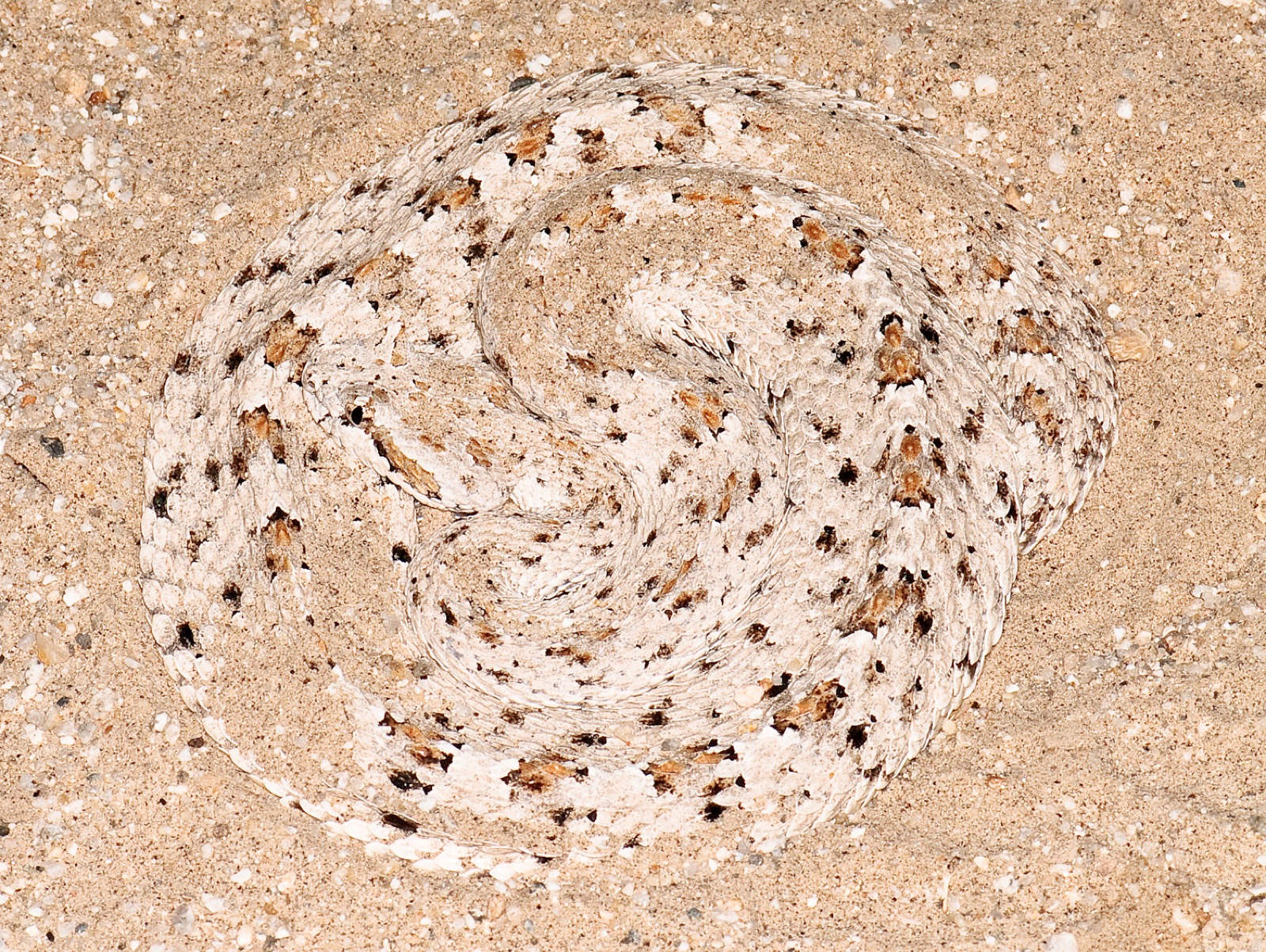
Snakes are master adaptors, thriving in diverse environments despite their legless form. Their incredible success stems from a suite of specialized biological features, including highly flexible bodies, unique sensory systems, and efficient internal organ arrangements. These adaptations allow them to move, hunt, and defend themselves with remarkable effectiveness, proving that limbs aren't always necessary for survival.
snake adaptationslimbless survivalsnake movementsnake sensessnake anatomyreptile biology
Read Post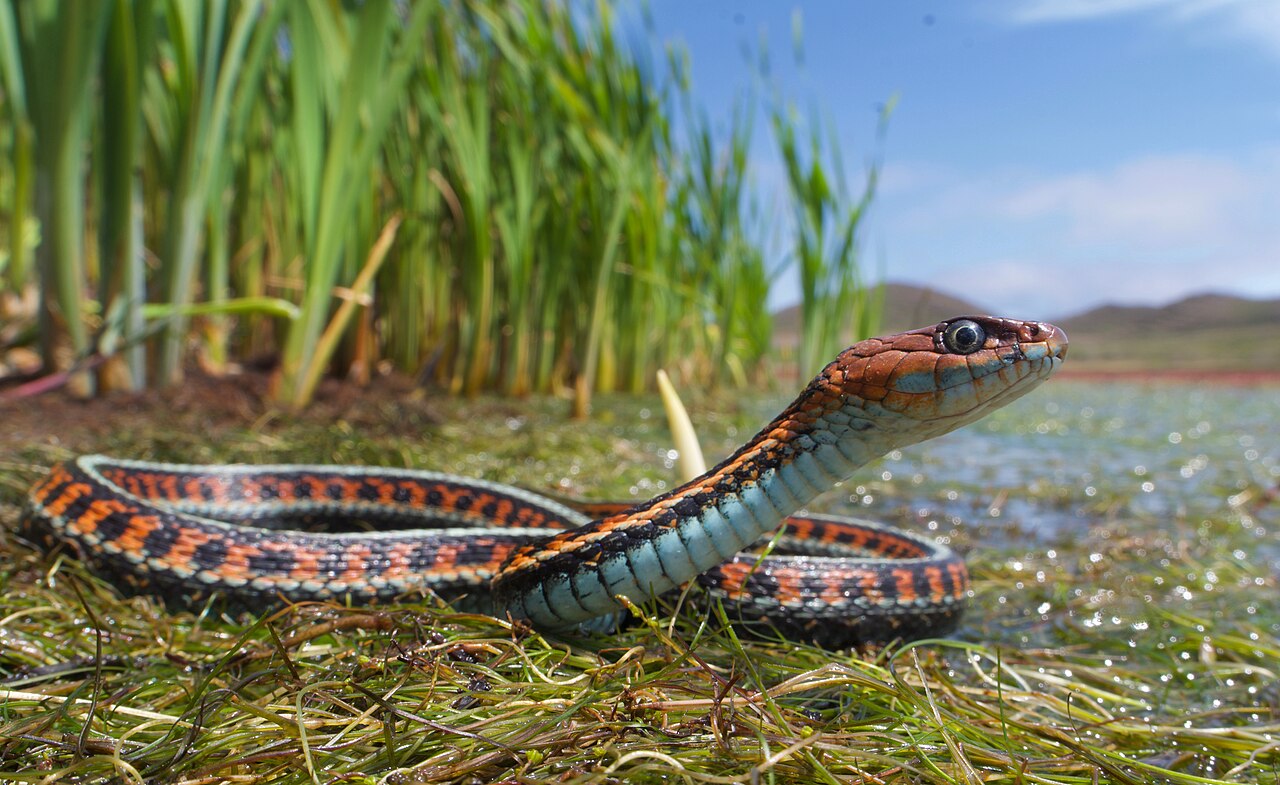
Photo: Dracoflight via Wikimedia Commons · CC BY 4.0
Aug 20, 2026•6 min read
Snakes, like most reptiles, do not engage in play behavior as mammals or birds do. Their actions are primarily driven by instinctual needs for survival, such as hunting, escaping predators, thermoregulation, and reproduction. What might appear as play to a human observer is usually a manifestation of these essential survival behaviors or exploratory movements within their environment.
snake behaviorreptile intelligencesnake playanimal instinctssnake factsreptile well-being
Read Post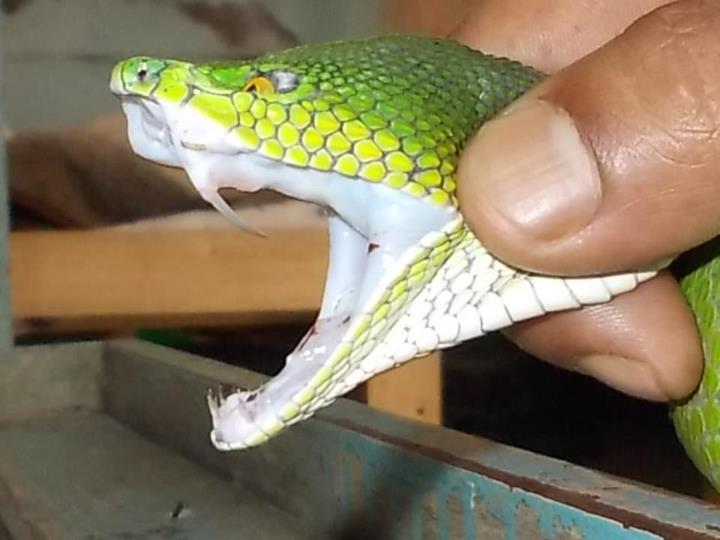
Photo: steve kharmawphlang via Wikimedia Commons · CC BY 2.0
Aug 20, 2026•6 min read
Snakes inject venom through specialized fangs, which can be fixed or hinged, acting much like hypodermic needles. This complex process involves muscular contractions around venom glands, forcing the venom through grooves or hollow channels in the fangs into their target. The efficiency and speed of this intricate mechanism are crucial for subduing prey and for self-defense.
snake venom injectionvenomous snake bitesnake fangssnake anatomyvenom delivery system
Read Post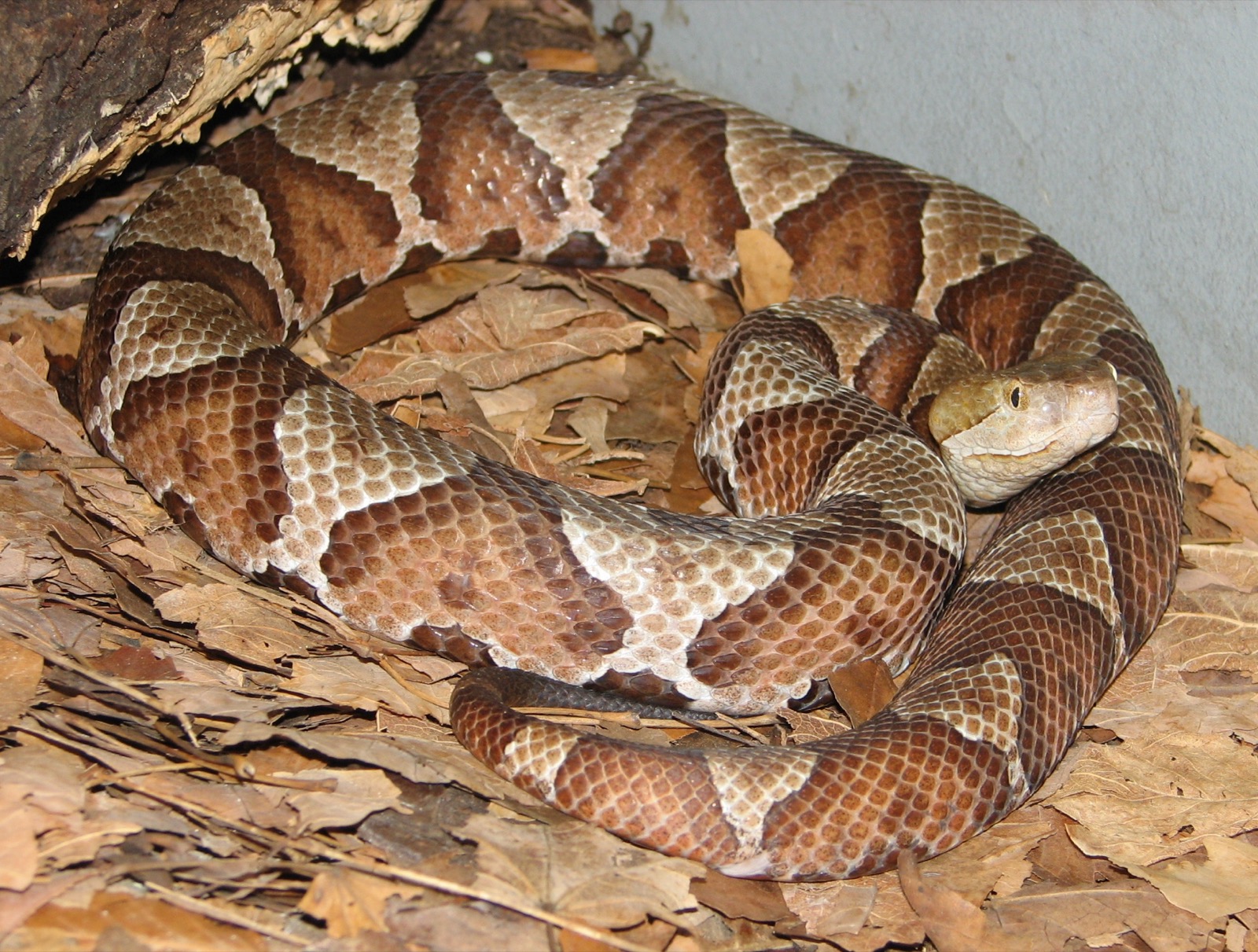
Photo: Ltshears via Wikimedia Commons · Public domain
Aug 19, 2026•6 min read
When gardening or mowing, encounters with snakes are common. Snakes seek shelter and food in yard debris, dense plantings, and woodpiles. To stay safe, always wear protective gear, clear areas thoroughly before working, and remain alert. If you spot a snake, give it space and back away slowly to avoid startling it.
snake safetyyard workgardeningmowingsnake encountersreptile awareness
Read Post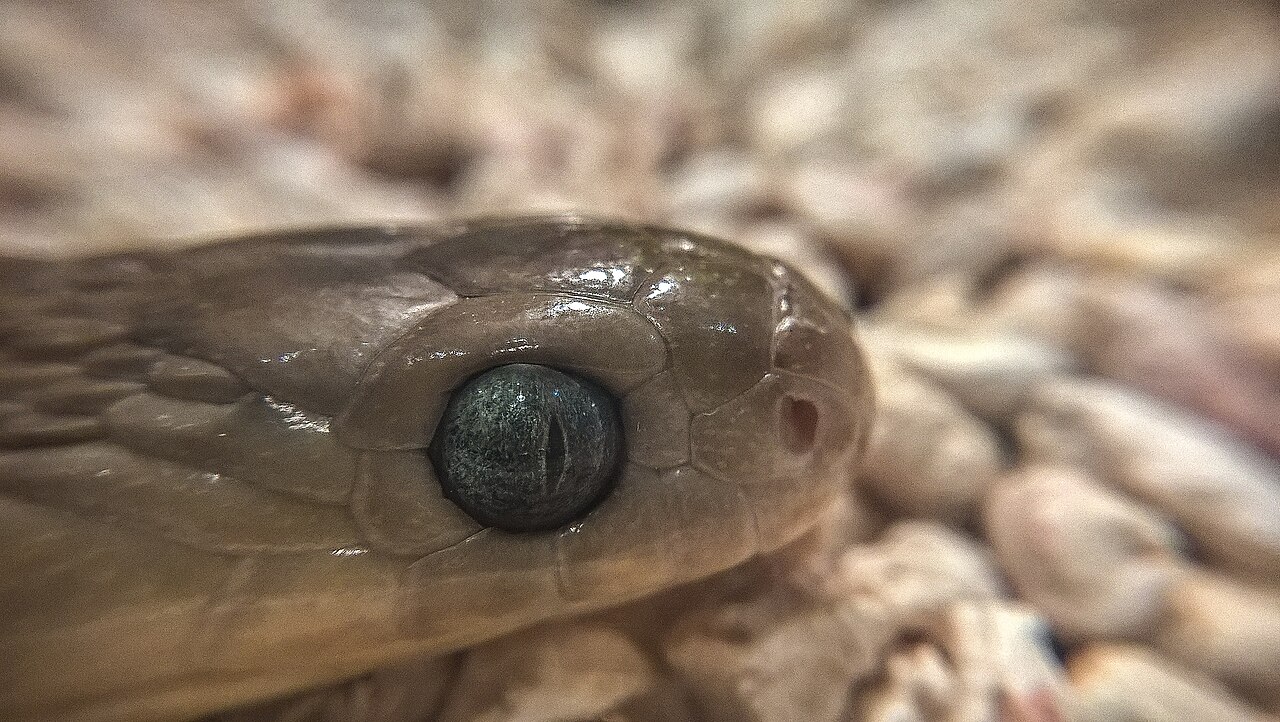
Photo: Andrea massagli via Wikimedia Commons · CC BY-SA 4.0
Aug 19, 2026•6 min read
Snakes exhibit various pupil shapes, most commonly round or vertical (slit). These shapes are not reliable indicators of venomousness, a common misconception. Instead, a snake's pupil shape often correlates with its activity patterns, particularly whether it is primarily active during the day or night, and how it hunts.
snake pupil shapesnake eyessnake identificationnocturnal snakesdiurnal snakesreptile vision
Read Post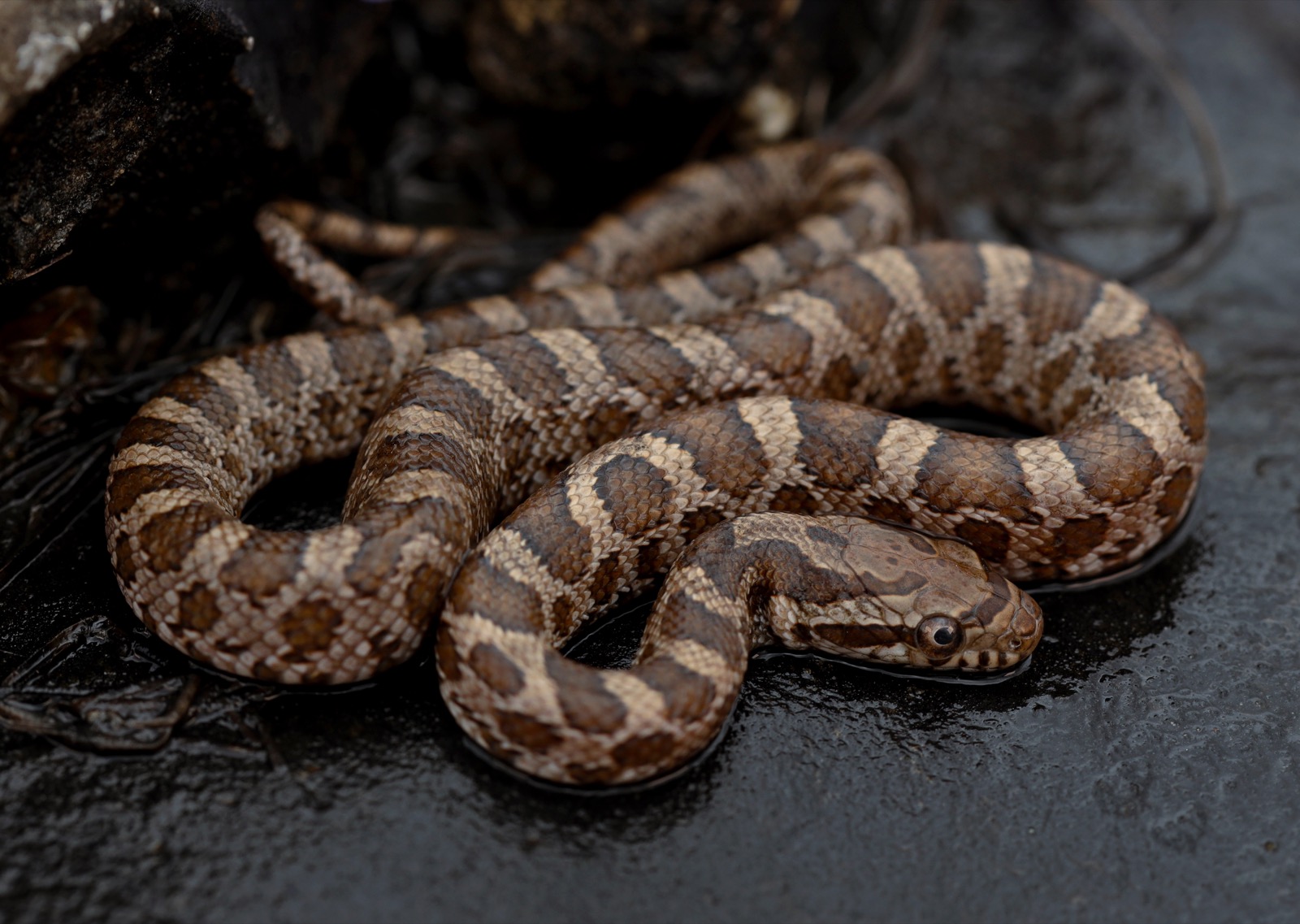
Photo: Peter Paplanus via Wikimedia Commons · CC BY 2.0
Aug 19, 2026•6 min read
Snakes are ectothermic, meaning their body temperature is regulated by external sources rather than internal metabolism. While they don't experience "hot" or "cold" in the same subjective way a human might, they possess a sophisticated ability to sense temperature changes in their environment. This crucial sense allows them to seek out ideal conditions for survival, digestion, and activity, making temperature a primary driver of their daily lives.
snake temperatureectothermic snakessnake sensesreptile thermoregulationsnake biologyhow snakes feel
Read Post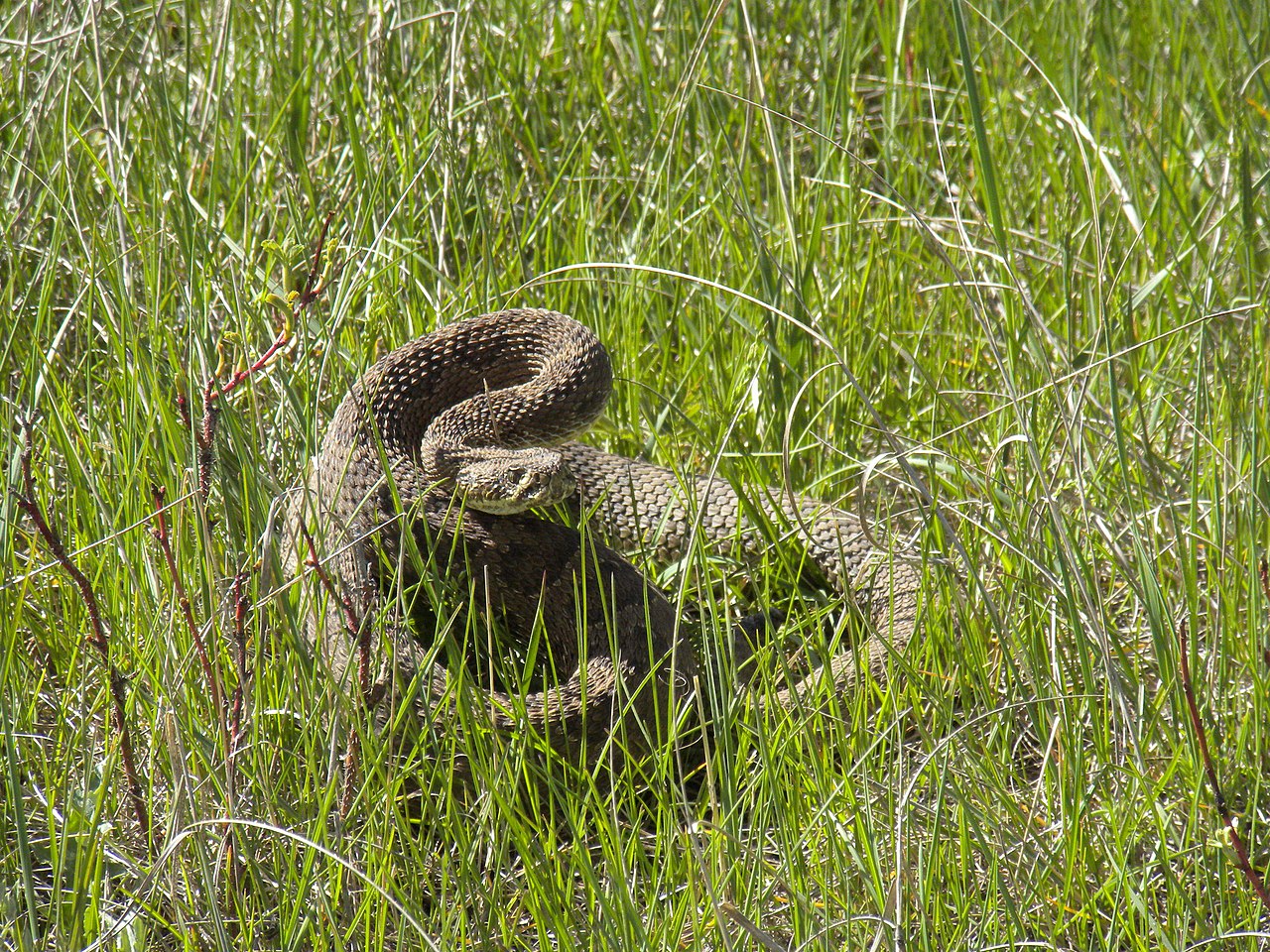
Photo: NPS via Wikimedia Commons · Public domain
Aug 18, 2026•6 min read
Yes, snakes, like all wild animals, can experience fear when they perceive a threat. This primal emotion serves as a crucial survival instinct, prompting them to protect themselves from harm. Understanding what triggers fear in snakes can help humans avoid provoking defensive reactions and ensure safer encounters for both species.
snake behaviorsnake fearreptile emotionssnake defensesnake safetysnake instincts
Read PostPhoto: Ltshears via Wikimedia Commons · Public domain
Aug 18, 2026•6 min read
Snakes, like many animals, can be startled by sudden, bright lights. While their visual capabilities vary greatly by species, a sudden burst of light, especially at night, can trigger a defensive reaction or cause them to retreat. Understanding this behavior is crucial for safe encounters, particularly when using flashlights in snake habitats.
snake behaviorsnake sensessnake safetynocturnal snakessnake visionlight reaction
Read Post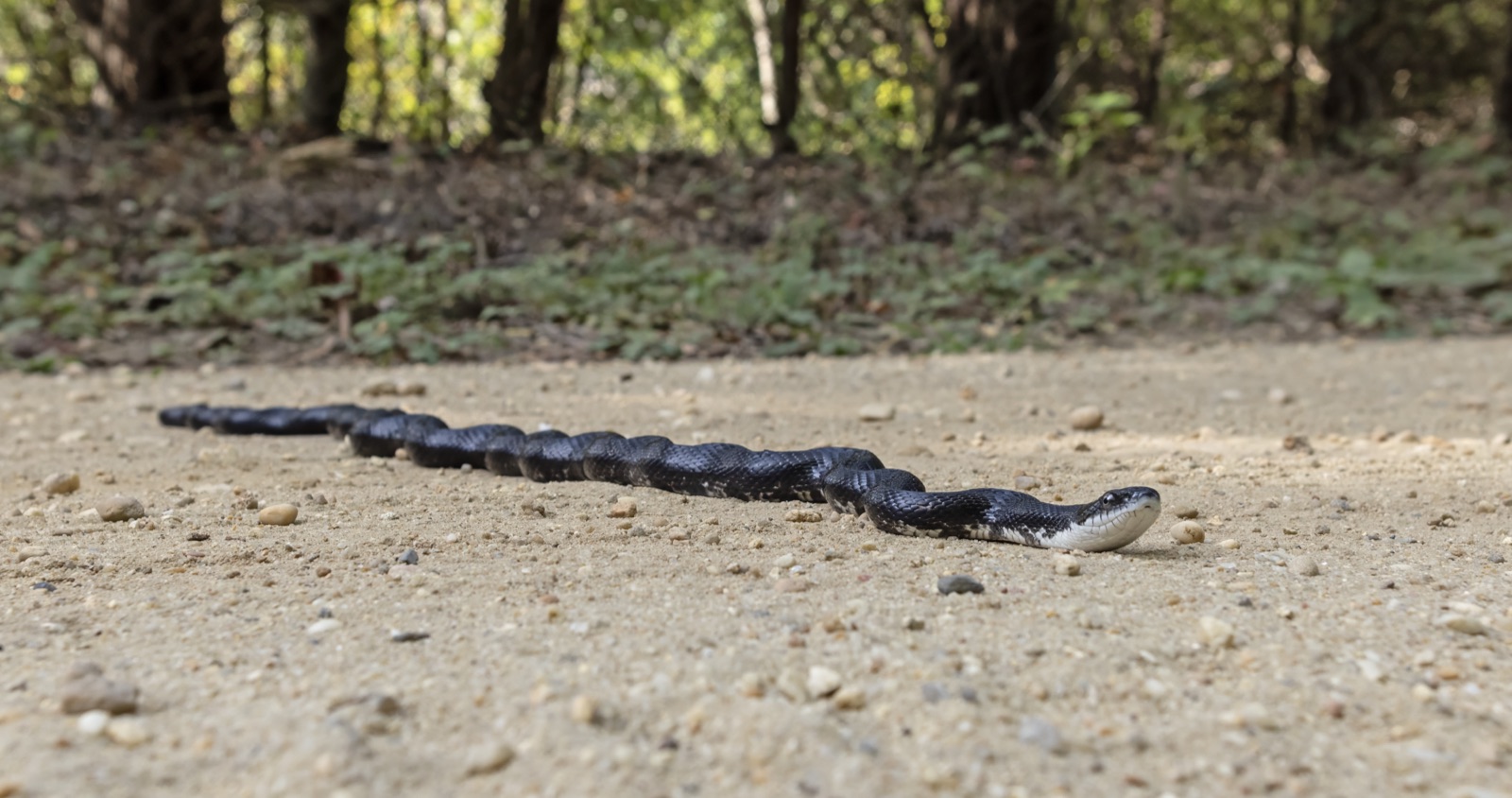
Photo: Chuck Homler / Focus On Wildlife via Wikimedia Commons · CC BY-SA 4.0
Aug 17, 2026•6 min read
Snakes may regurgitate their food as a natural, albeit energy-intensive, response to various forms of stress or unsuitable conditions. This behavior allows them to shed a burdensome meal that is either too large, spoiled, or being digested in an environment too cold or disruptive. While concerning to observe, it is a survival mechanism to escape perceived threats or overcome physiological challenges.
snake regurgitationsnake digestionsnake stresssnake behaviorwild snakessnake safety
Read Post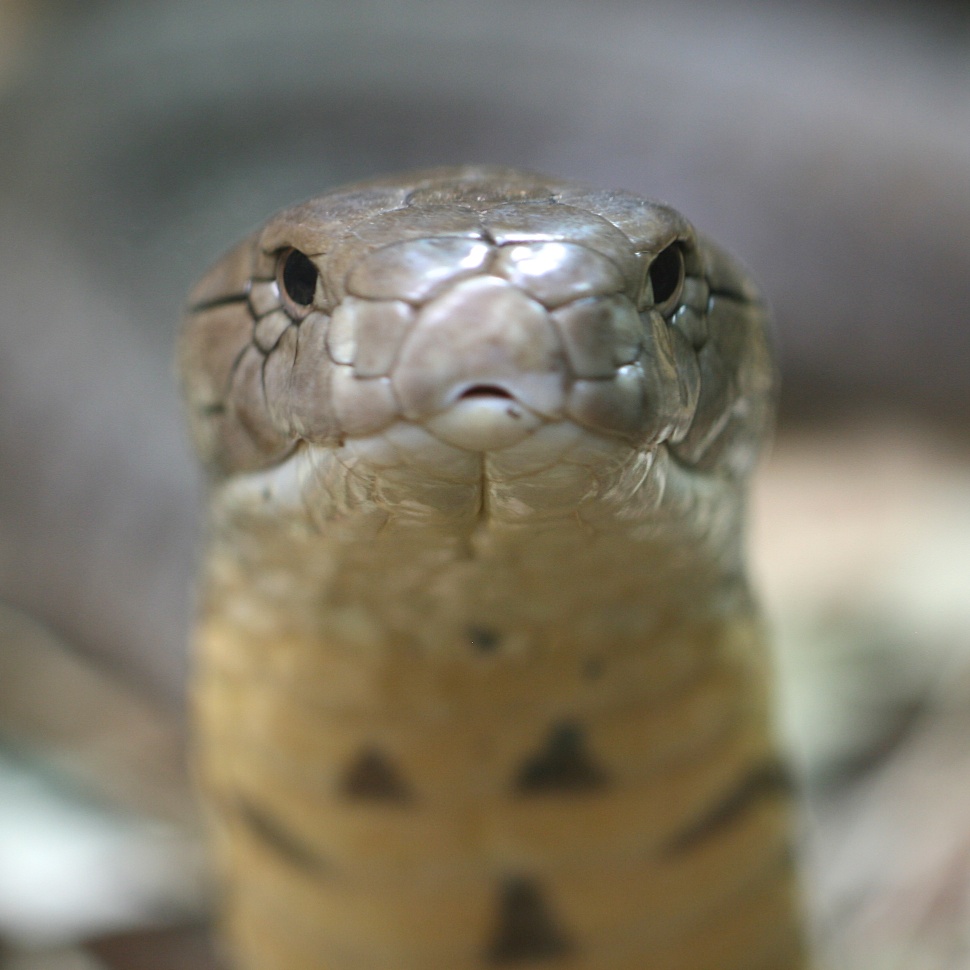
Photo: photochem_PA via Wikimedia Commons · CC BY 2.0
Aug 17, 2026•6 min read
Snakes do not commit suicide. This widespread myth often stems from observations of snakes biting themselves, which is typically a sign of extreme stress, disorientation, or illness, rather than an intentional act of self-harm. Most venomous snakes also possess a natural immunity to their own venom, making such bites unlikely to be fatal from the venom itself.
snake behaviorsnake mythssnake venomreptile intelligencesnake healthsnake defense
Read Post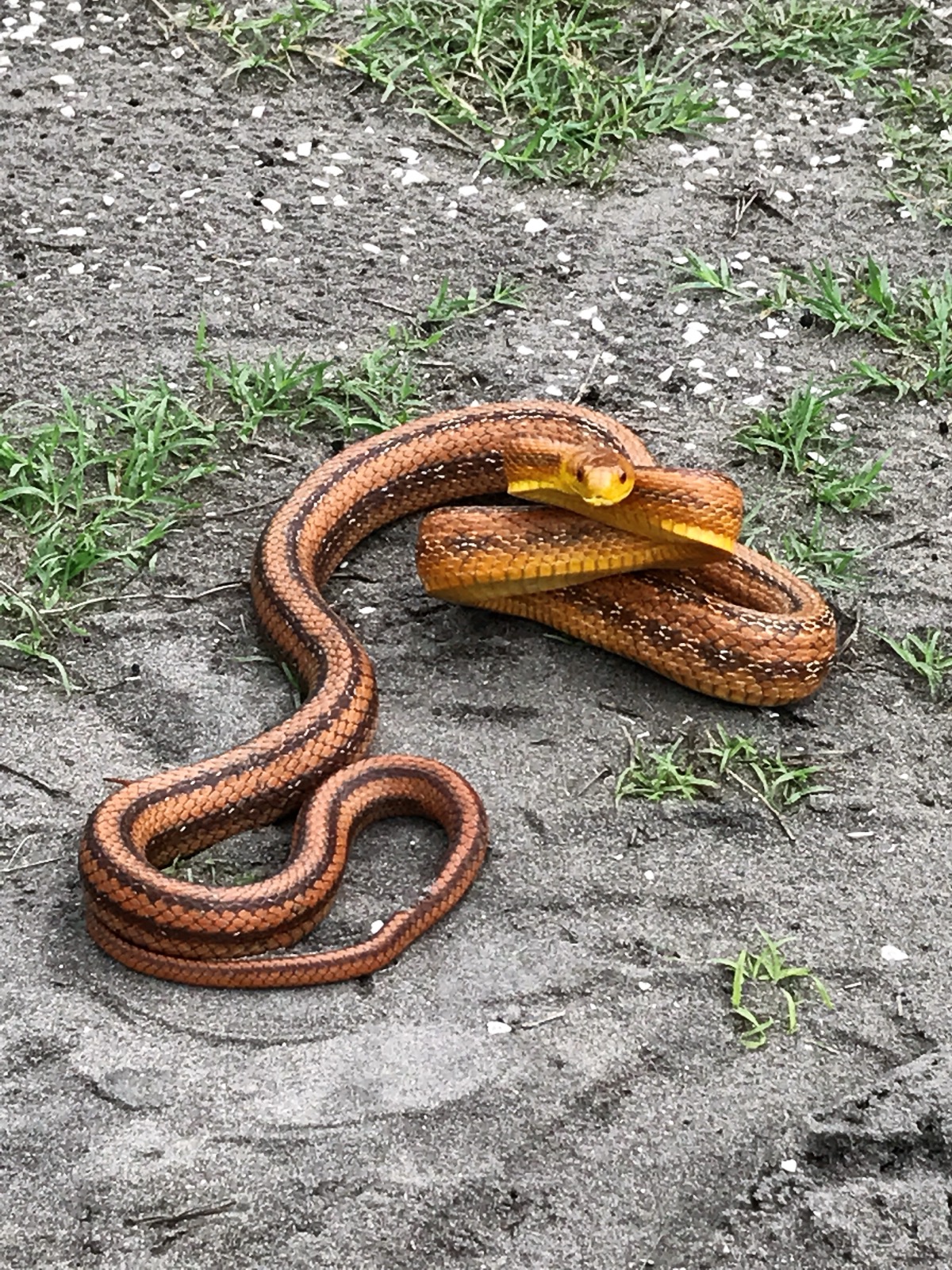
Photo: M.Aurelius via Wikimedia Commons · CC0
Aug 17, 2026•6 min read
Snakes possess a specialized cardiovascular system adapted to their elongated bodies. Unlike many other animals, their hearts are often positioned further down the body, and their blood circulation mechanisms are highly efficient at ensuring blood reaches all extremities, even against gravity or during constriction. These adaptations are crucial for their survival and diverse behaviors.
snake blood circulationsnake heartsnake anatomyreptile cardiovascular systemsnake physiologyhow snakes pump blood
Read PostPhoto: photochem_PA via Wikimedia Commons · CC BY 2.0
Aug 16, 2026•6 min read
A snake bite can be a frightening experience, but your immediate reaction is crucial for a positive outcome. The most important steps are to remain calm, move away from the snake to a safe distance, and call for professional medical help without delay. Do not attempt to capture or kill the snake, as this can lead to further bites or injury.
snake bite safetyemergency responsefirst aid after snake bitewhat to do if bitten by snakesnake encounter safetyvenomous snake bite
Read Post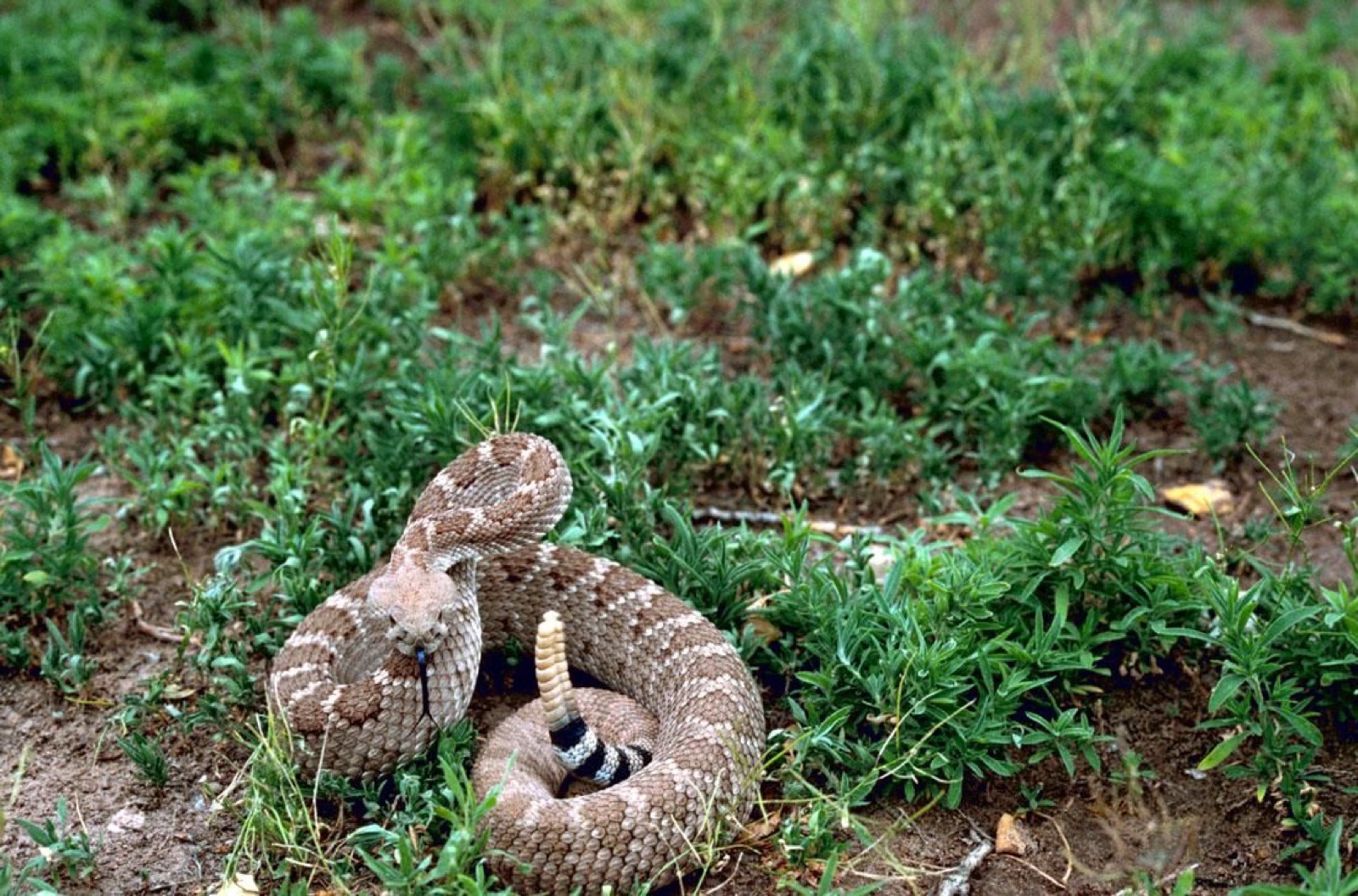
Photo: USFWS Pacific Southwest Region via Wikimedia Commons · CC BY 2.0
Aug 16, 2026•6 min read
No, snakes do not possess eyebrows or facial muscles for expression like humans do. The appearance of a brow or a particular "look" on a snake's face comes entirely from the unique arrangement and shape of the scales above their eyes, known as supraocular scales. These scales can create a ridge that casts a shadow, giving some snakes a seemingly stern or watchful demeanor, but this is a structural feature, not an emotional one.
snake anatomysnake scalessnake eyesreptile visionsnake identificationsnake behavior
Read Post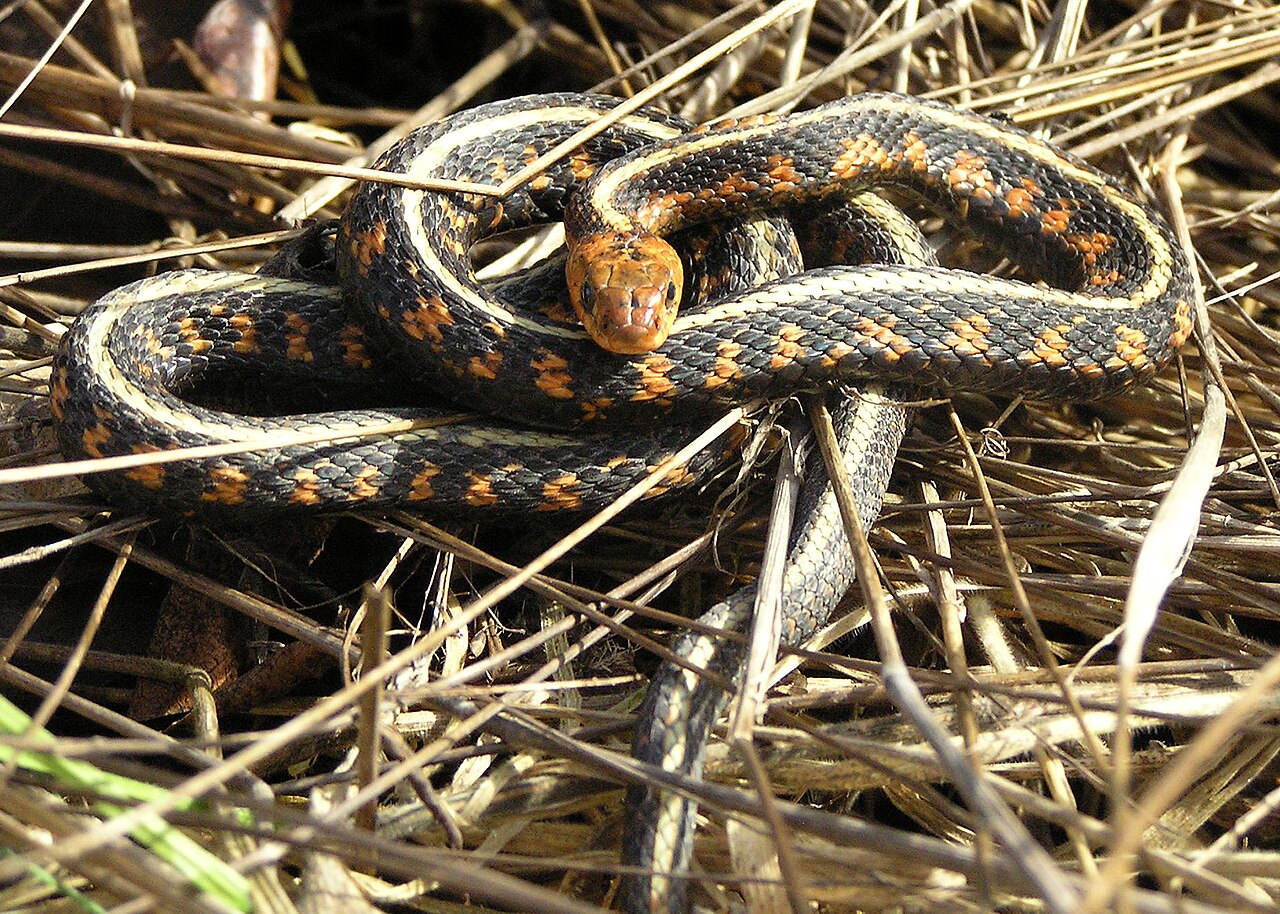
Photo: Oregon Department of Fish & Wildlife via Wikimedia Commons · CC BY-SA 2.0
Aug 16, 2026•6 min read
Snakes, like all animals, experience states of well-being based on their fundamental needs for survival and reproduction. However, their "happiness" is not a complex emotion akin to human joy, but rather a state of contentment achieved when their basic physiological requirements—such as warmth, food, safety, and opportunities to breed—are met. Understanding these drives helps us appreciate snakes for what they are: highly adapted and fascinating reptiles.
snake behaviorreptile well-beingsnake needssnake contentmentreptile drivesanimal awareness
Read Post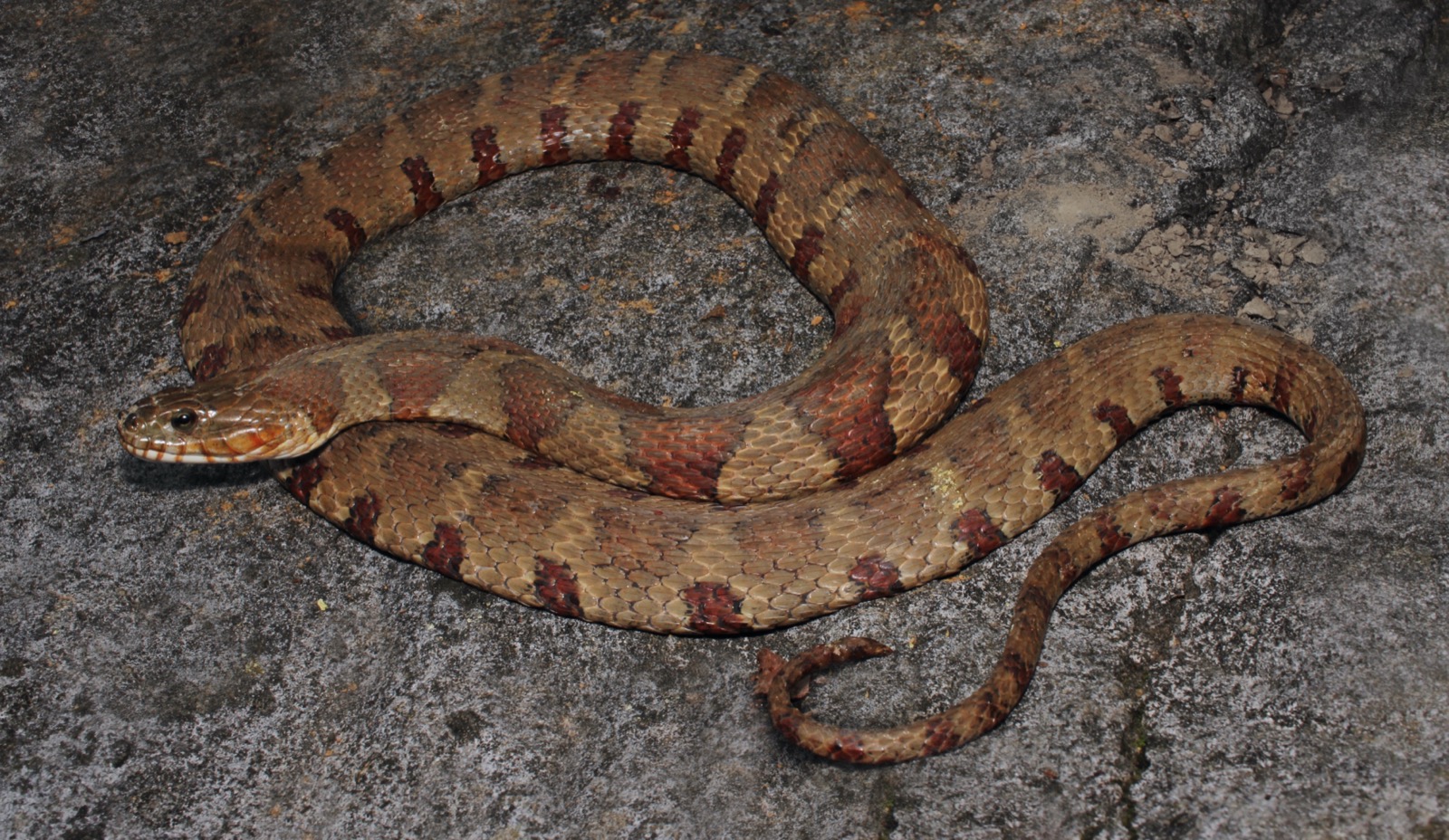
Photo: MH Herpetology via Wikimedia Commons · CC BY-SA 4.0
Aug 15, 2026•6 min read
Snakes, like all living creatures, need water to survive, but their ability to conserve it varies greatly by species and environment. Some desert snakes can go months without directly drinking, relying on moisture from their prey, while others in humid climates need more frequent access to standing water. Their unique physiology allows them to minimize water loss, but prolonged dehydration is ultimately fatal.
snake hydrationsnake survivalsnake water needssnake dehydrationreptile water conservationdesert snakes
Read PostPhoto: Ltshears via Wikimedia Commons · Public domain
Aug 15, 2026•6 min read
Snakes, being cold-blooded, cannot tolerate extreme heat and must actively seek cooler, sheltered environments to survive. During peak summer temperatures, this often means they will be found in shaded, damp, or underground locations, increasing the likelihood of unexpected encounters in yards, homes, and outdoor structures. Understanding these behaviors is key to staying safe and avoiding unwelcome surprises.
snake safety summersnakes hot weathersnake hiding spotsavoid snake encountersreptile thermoregulationsnake behavior heat
Read Post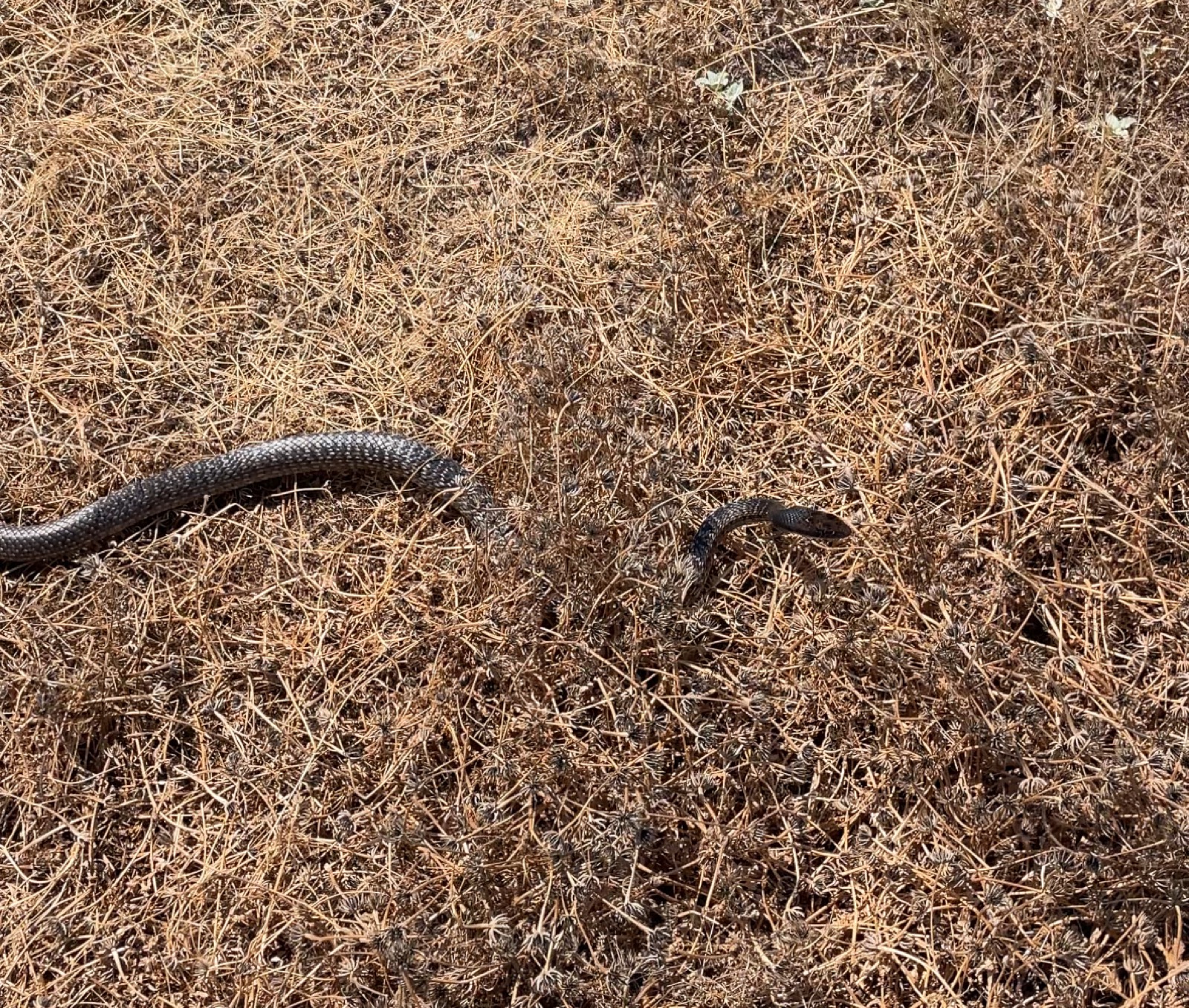
Photo: Hecssss via Wikimedia Commons · CC0
Aug 15, 2026•6 min read
No, snakes cannot smell fear. While they possess highly developed senses to navigate their environment and locate prey, detecting human emotions like fear is beyond their biological capabilities. Snakes react to sudden movements, vibrations, and perceived threats, not to our internal emotional state.
snake sensessnake mythssnake behaviorhuman-snake interactionreptile perceptionsnake safety
Read PostPhoto: NPS via Wikimedia Commons · Public domain
Aug 14, 2026•6 min read
Snakes, despite their legless bodies, are incredibly agile and can change direction with surprising speed and precision. They achieve this through a sophisticated combination of muscular contractions, flexible spines, and specialized scales that allow them to grip surfaces and pivot effectively. This remarkable ability is crucial for their survival, enabling them to hunt, escape predators, and navigate complex environments with ease.
snake movementsnake agilityhow snakes turnsnake locomotionsnake anatomysnake behavior
Read PostPhoto: USFWS Pacific Southwest Region via Wikimedia Commons · CC BY 2.0
Aug 14, 2026•6 min read
Yes, many snake species do eat scorpions, particularly those living in arid and semi-arid environments where scorpions are common prey. While scorpions possess venom, many snakes have evolved remarkable resistance to these toxins, allowing them to safely consume scorpions as a regular part of their diet.
snake dietscorpion preyvenom resistancesnake factsreptile behaviordesert snakes
Read PostPhoto: Oregon Department of Fish & Wildlife via Wikimedia Commons · CC BY-SA 2.0
Aug 14, 2026•6 min read
While it's a rare occurrence, some snakes, particularly those with longer fangs and a strong bite, can penetrate thin blankets or sheets, especially if the fabric is taut against the skin. Thicker bedding offers more protection by creating a barrier and reducing direct contact. The most effective way to prevent such an incident is to take precautions to keep snakes out of your sleeping areas in the first place.
snake safetysnake bitessleeping safetyindoor snakessnake preventionvenomous snakes
Read Post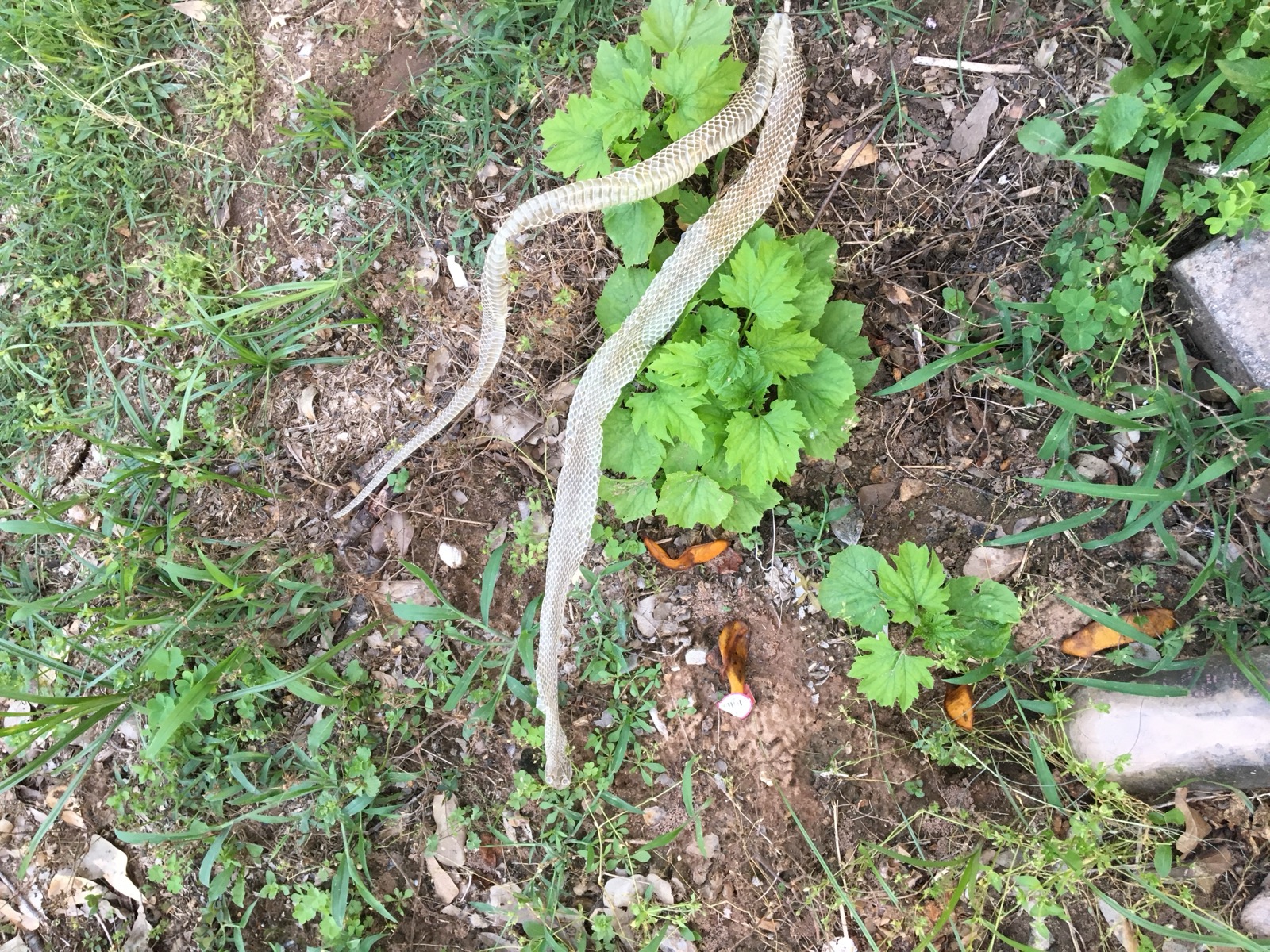
Photo: Gannavarapu Narasimhamurti via Wikimedia Commons · CC0
Aug 13, 2026•6 min read
Unlike many animals that actively groom their fur or feathers, snakes do not engage in self-grooming behaviors. Their unique anatomy, primarily their protective scales and regular shedding process, serves as their natural method for maintaining cleanliness and health in their environment. Water also plays a role in keeping their skin supple and aiding in the shedding process.
snake hygienesnake groomingsnake scalessnake sheddingreptile caresnake behavior
Read PostPhoto: steve kharmawphlang via Wikimedia Commons · CC BY 2.0
Aug 13, 2026•6 min read
Snake venom is a highly specialized biological tool that evolved primarily for securing food, not for harming humans. It allows snakes to efficiently subdue prey, minimizing the risk of injury to themselves during hunting. While a venomous bite can be a defensive reaction, its fundamental purpose is tied to the snake's survival as a predator.
snake venom purposewhy snakes are venomoussnake venom evolutionhow snakes huntvenomous snake defensesnake bite reasons
Read PostPhoto: Peter Paplanus via Wikimedia Commons · CC BY 2.0
Aug 13, 2026•6 min read
Snakes, like all animals, exhibit preferences not based on emotion, but on survival and comfort. These 'choices' are driven by instinct and evolutionary adaptations, guiding them to specific habitats, food sources, and environmental conditions that optimize their chances of survival, growth, and reproduction. Understanding these preferences helps us better predict snake behavior and avoid unwanted encounters.
snake behaviorsnake habitatsnake dietsnake thermoregulationsnake preferencesreptile adaptations
Read Post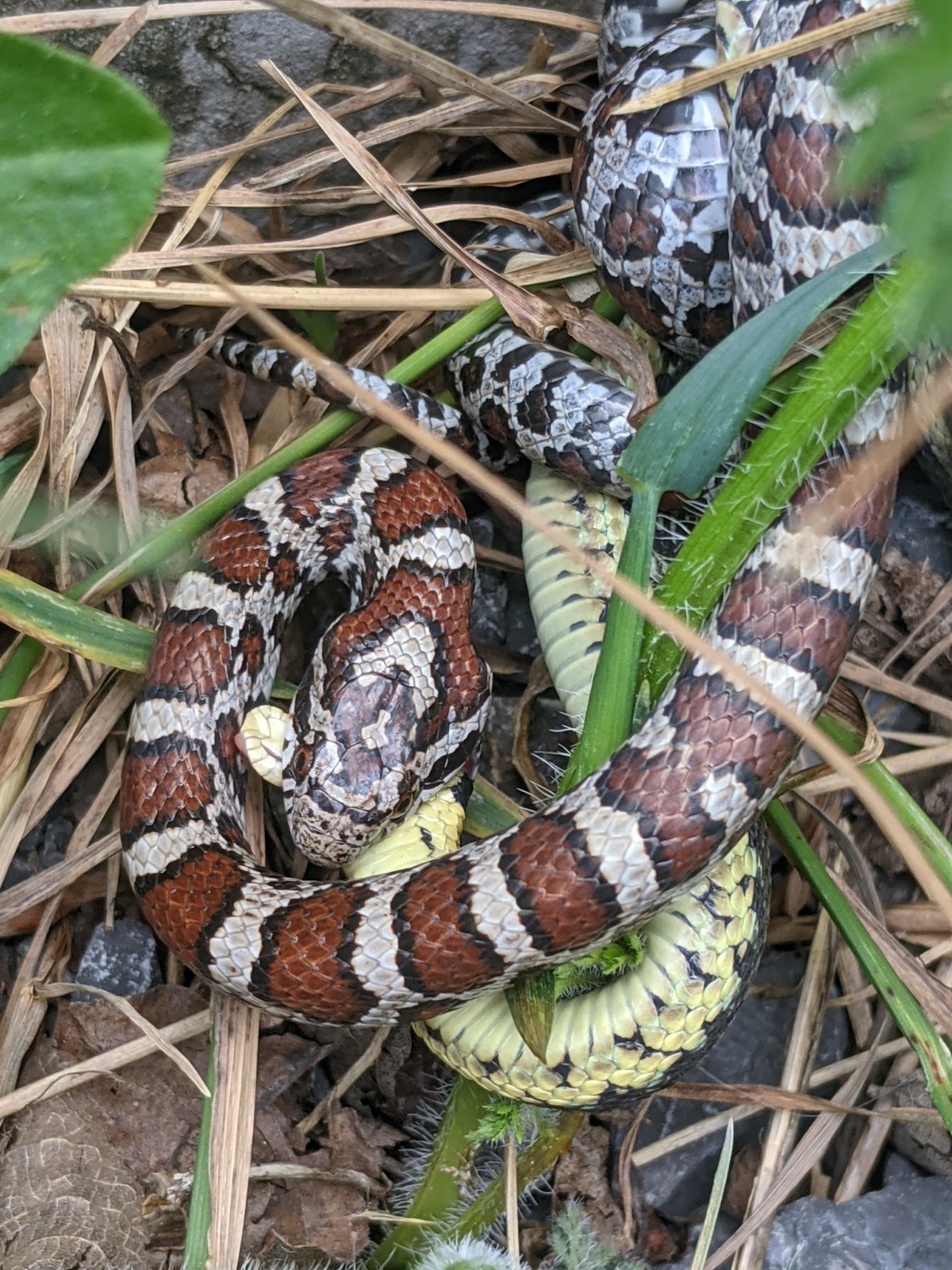
Photo: Hannah Moran-Macdonald via Wikimedia Commons · CC0
Aug 12, 2026•6 min read
A snake finding its way into a laundry pile, while uncommon, can happen as they seek warmth or shelter. If you discover a snake in your clothes, it's crucial to stay calm and avoid reaching in. Instead, create a clear escape path and encourage it to leave safely without direct contact.
snake safetysnake in houselaundry pile snakesnake encounterwildlife safetysnake prevention
Read Post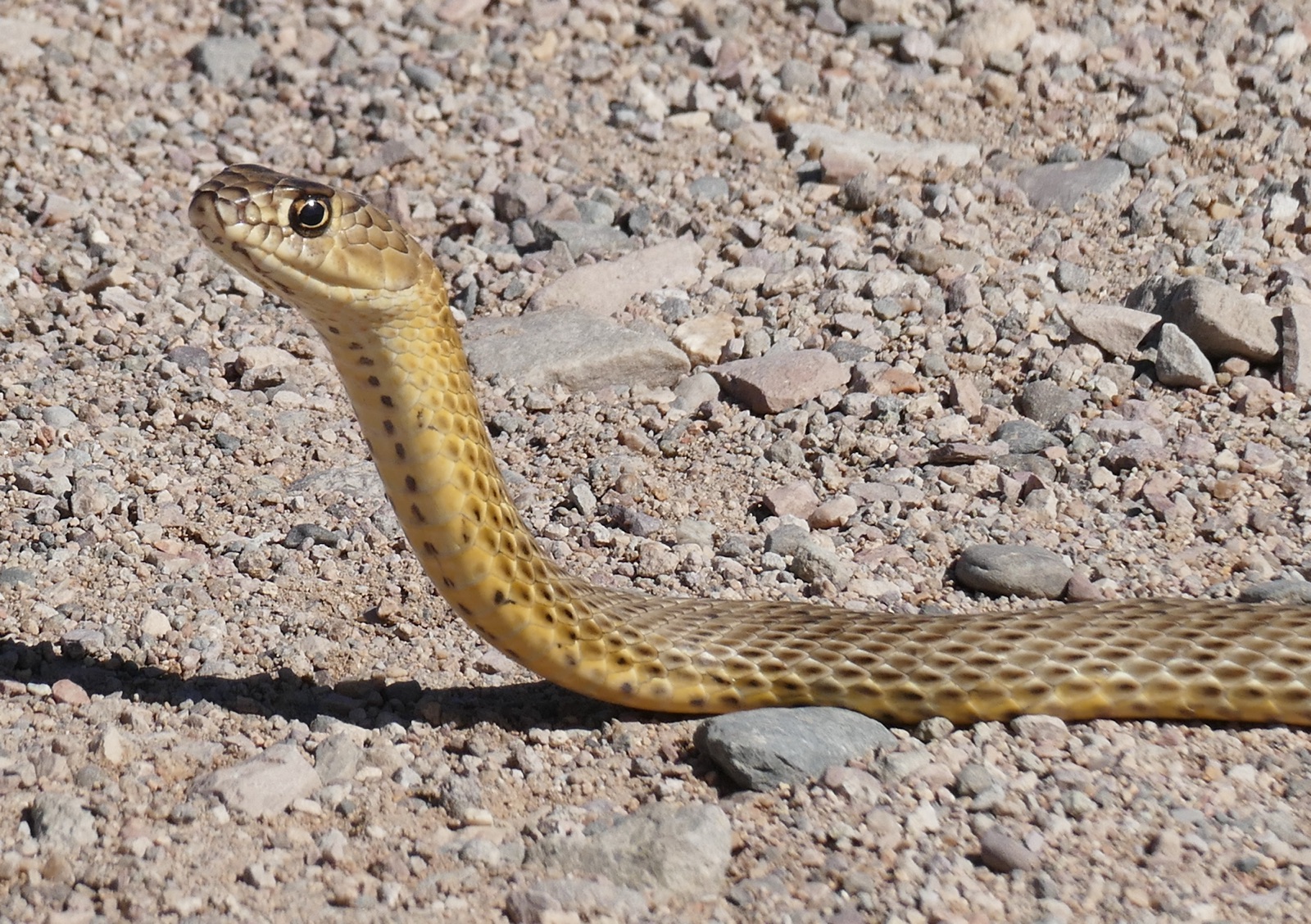
Photo: Wendy McCrady via Wikimedia Commons · CC BY 4.0
Aug 12, 2026•6 min read
Snakes cross roads for a variety of reasons, primarily driven by their natural instincts to find food, mates, or new shelter. Roads often cut through their established habitats, forcing them to traverse these open, dangerous areas. Their movement patterns are influenced by season, time of day, and environmental factors.
snakes on roadssnake behaviorsnake safetysnake habitatwildlife encounterssnake movement
Read PostPhoto: steve kharmawphlang via Wikimedia Commons · CC BY 2.0
Aug 12, 2026•6 min read
A snake bite's danger isn't solely determined by whether the snake is venomous. While venom is a primary concern, factors like the snake species, amount of venom injected, bite location, and the victim's health all play crucial roles in determining the severity and outcome of an encounter. Understanding these elements can help reduce panic and guide appropriate responses.
snake bite severityvenomous snake bitesnake bite factorssnake bite dangersnake bite safetysnake venom
Read Post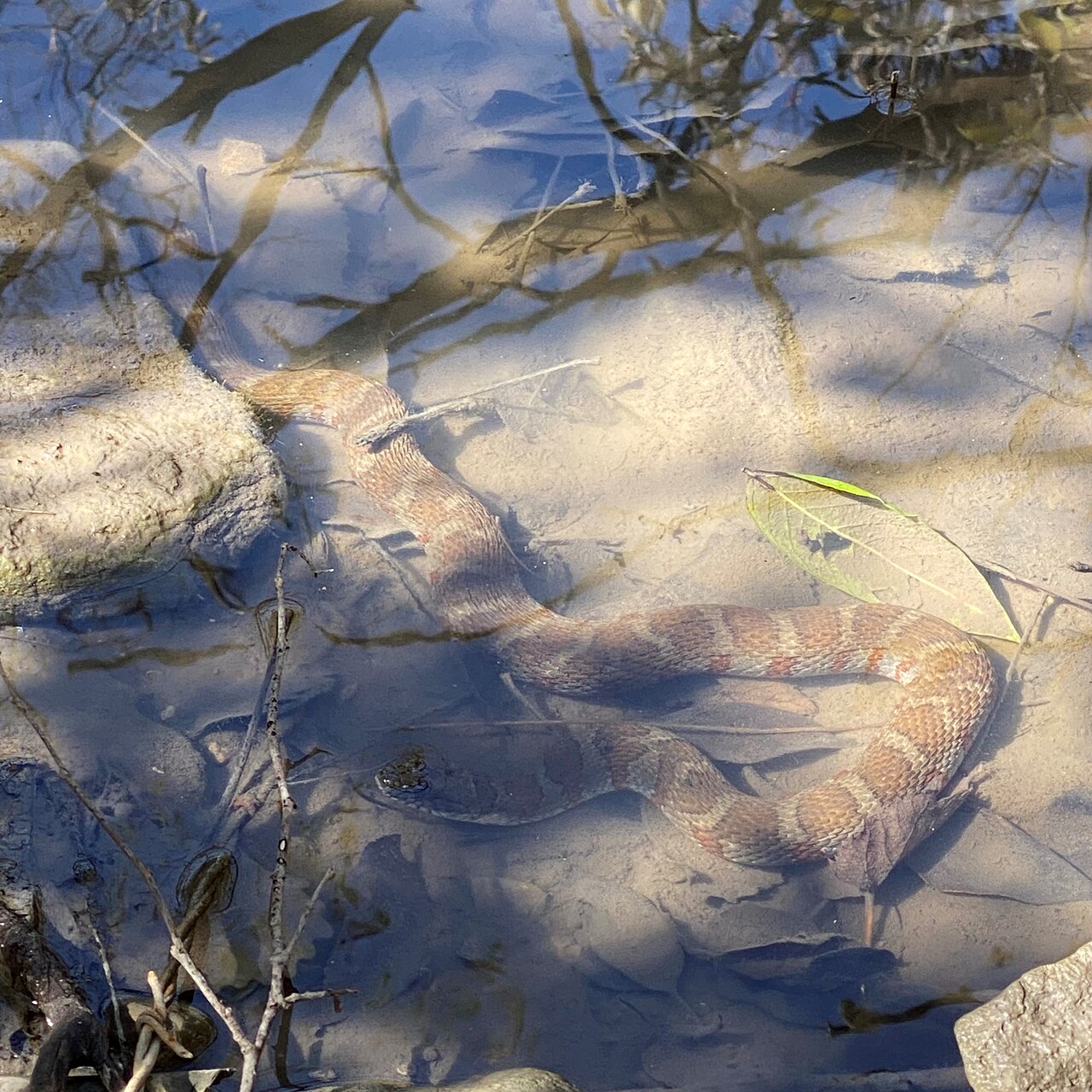
Photo: NPS via Wikimedia Commons · Public domain
Aug 11, 2026•6 min read
Snakes do not have gills. Like all reptiles, snakes breathe air using lungs, whether they live on land or spend much of their time in water. Even highly aquatic snake species must surface regularly to take in oxygen, as their bodies are not adapted for extracting oxygen directly from water.
snake gillshow snakes breatheaquatic snakessnake lungssnake anatomysnake breathing underwater
Read Post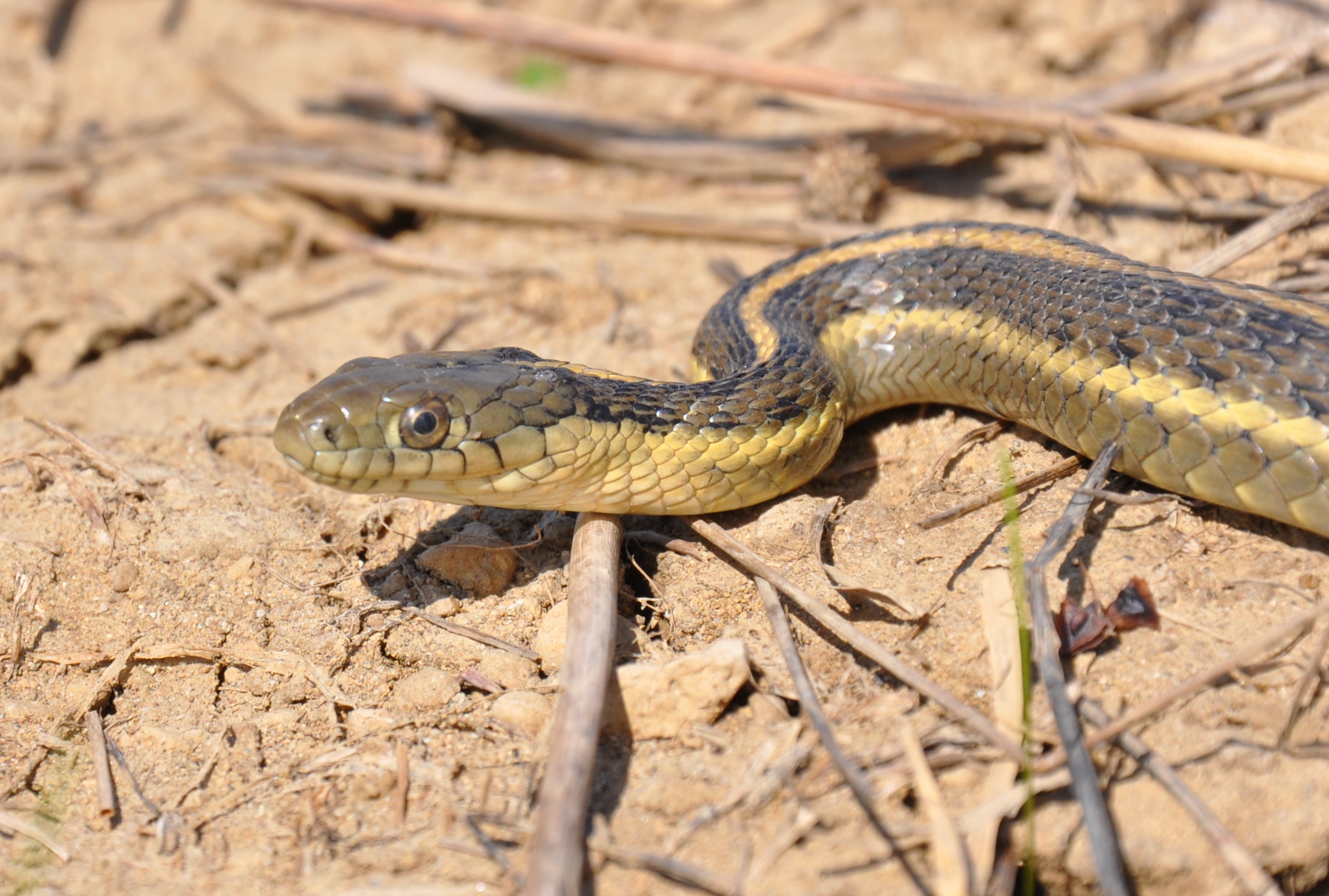
Photo: USFWS Midwest Region via Wikimedia Commons · Public domain
Aug 11, 2026•6 min read
Snakes do not actively hunt or attack pets; instead, most encounters result from a snake defending itself when startled or cornered by a curious dog or cat. Understanding snake behavior and implementing preventative measures are crucial for keeping your beloved animals safe from potentially dangerous interactions.
snakes and petspet snake safetysnake bite prevention for dogssnake bite prevention for catswildlife encounters petskeeping pets safe from snakes
Read Post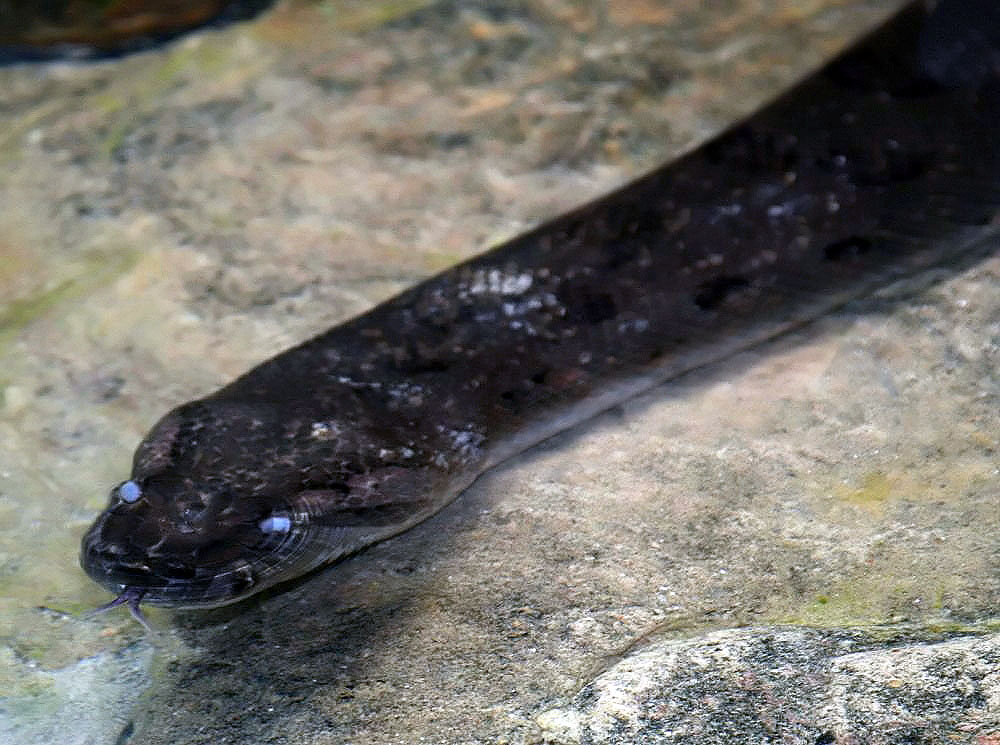
Photo: David J. Stang via Wikimedia Commons · CC BY-SA 4.0
Aug 11, 2026•6 min read
Snakes exhibit an incredible range of weights, from mere grams for the smallest species to hundreds of kilograms for the largest. There isn't a single 'average' snake weight; instead, it varies drastically based on the snake's species, age, diet, and overall health. Understanding this diversity helps appreciate the varied adaptations of these fascinating reptiles.
snake weightsnake sizesnake speciessnake biologyreptile factssnake identification
Read Post
Photo: National Park Service via Wikimedia Commons · Public domain
Aug 10, 2026•6 min read
Many snake species, known as oviparous snakes, reproduce by laying eggs. Unlike birds, these snakes do not construct elaborate nests, but instead seek out hidden, warm, and moist locations to deposit their clutches. Common sites include decaying logs, leaf litter, loose soil, and abandoned burrows, providing the necessary conditions for the eggs to develop safely until hatching.
snake eggssnake nestingsnake reproductionoviparous snakessnake habitatsnake behavior
Read PostPhoto: Chuck Homler / Focus On Wildlife via Wikimedia Commons · CC BY-SA 4.0
Aug 10, 2026•6 min read
Unlike many mammals, snakes do not typically defend a fixed territory. Instead, they operate within a 'home range' – a non-exclusive area they regularly use to find food, water, shelter, and mates. This range varies greatly by species and environmental factors, reflecting their need for resources rather than a desire to claim ownership.
snake territorysnake home rangesnake movementsnake behaviorsnake ecologywild snakes
Read PostPhoto: Ltshears via Wikimedia Commons · Public domain
Aug 9, 2026•6 min read
Snakes can and sometimes do hide in shoes or other items left outdoors, seeking shelter, warmth, or a cool, dark space. While not a common occurrence for most people, it's a wise precaution to check footwear and clothing before putting them on, especially in snake-prone areas or during active seasons. A quick visual inspection and a gentle tap can help prevent an unexpected encounter.
snake safety tipschecking shoes for snakespreventing snake encounterssnakes in homesoutdoor safetysnake hiding spots
Read PostPhoto: National Park Service via Wikimedia Commons · Public domain
Aug 9, 2026•6 min read
No, not all snakes are venomous. In fact, the vast majority of snake species worldwide are non-venomous and pose no threat to humans beyond a defensive bite. While some venomous snakes can be dangerous, it's a common misconception that every snake encountered is inherently deadly.
venomous snakesnon-venomous snakessnake identificationsnake mythssnake safetyherpetology
Read PostPhoto: Peter Paplanus via Wikimedia Commons · CC BY 2.0
Aug 9, 2026•6 min read
Snakes do not possess sweat glands like mammals, so they cannot sweat to cool down. As ectothermic (cold-blooded) animals, snakes rely on external sources to regulate their body temperature. They manage heat by moving between sunny and shaded areas, or by seeking out cooler burrows or warmer rocks as needed.
snake thermoregulationreptile physiologysnake coolingectothermic animalssnake body temperaturedo snakes sweat
Read PostPhoto: USFWS Pacific Southwest Region via Wikimedia Commons · CC BY 2.0
Aug 8, 2026•6 min read
Yes, snakes can have a distinct smell, though it's often subtle to humans. This scent is primarily due to musk glands, which release a foul-smelling fluid as a defense mechanism or during breeding. Environmental factors, diet, and even stress can also contribute to a snake's overall odor.
snake smellsnake scentsnake musksnake defensesnake identificationsnake behavior
Read PostPhoto: Ltshears via Wikimedia Commons · Public domain
Aug 8, 2026•6 min read
Snakes often use burrows and natural crevices to find shelter, regulate their body temperature, and hunt prey. They don't typically dig extensive burrows themselves, but rather utilize abandoned rodent holes, rock crevices, or dense vegetation. Understanding where snakes hide underground is crucial for safety in your yard and on trails.
snake burrowing behaviorwhere snakes hidesnake safety tipssnake habitatssnake thermoregulationavoiding snake bites
Read Post
Photo: Snakyehw via Wikimedia Commons · CC0
Aug 8, 2026•6 min read
Baby snakes are born with innate hunting instincts and must find their own food immediately after hatching or birth, as they receive no parental care. Their diet consists of smaller versions of what adult snakes eat, but scaled down to their tiny size, often including insects, worms, or very small vertebrates.
baby snake diethatchling snake foodyoung snake preysnake feeding habitssnake reproductionjuvenile snake care
Read PostPhoto: M.Aurelius via Wikimedia Commons · CC0
Aug 7, 2026•6 min read
Snakes are renowned for their incredible flexibility, capable of coiling, slithering, and striking with astonishing agility. This remarkable ability stems from their unique spinal column, which features hundreds of vertebrae connected by specialized joints. These anatomical adaptations allow snakes to bend and twist their bodies to an extent unmatched by most other vertebrates.
snake anatomysnake movementsnake spinesnake flexibilityvertebral columnserpent skeleton
Read PostPhoto: Hecssss via Wikimedia Commons · CC0
Aug 7, 2026•6 min read
Snakes generally react to humans with caution, prioritizing avoidance or camouflage. Their primary goal is to escape perceived threats, which often means remaining still or fleeing. Aggressive displays or bites are typically defensive measures, employed only when they feel cornered or directly provoked.
snake behaviorsnake interactionsnake defensesnake and humanssnake fearsnake encounter
Read Post
Photo: Tigerpython via Wikimedia Commons · CC BY-SA 4.0
Aug 7, 2026•6 min read
Yes, snakes can and sometimes do fall from trees, though it's typically an accidental occurrence rather than a deliberate action. Their natural grip is usually very secure, but strong winds, a struggle with prey, or sudden disturbances can occasionally dislodge them. While rare, understanding this possibility helps maintain a safe distance when observing arboreal snakes.
snakes in treessnake safetytree snakessnake behavioravoiding snake biteswildlife encounters
Read PostPhoto: Tigerpython via Wikimedia Commons · CC BY-SA 4.0
Aug 6, 2026•6 min read
Snakes, despite lacking limbs, are remarkably adept climbers, able to ascend trees, walls, and even some fences. Their climbing ability comes from a sophisticated interplay of specialized belly scales, powerful musculature, and diverse movement techniques, rather than sticky pads or suction cups. Understanding these adaptations helps explain where snakes can be found in various environments.
snake climbingsnake locomotionsnake scalessnake musclesarboreal snakessnake adaptations
Read PostPhoto: M.Aurelius via Wikimedia Commons · CC0
Aug 6, 2026•6 min read
The cloaca is a single, multi-purpose opening found in snakes and other reptiles, birds, amphibians, and some mammals. It serves as the exit point for waste products like urine and feces, as well as for reproductive fluids and eggs or live young. This unique anatomical feature is essential for a snake's survival, handling excretion and reproduction through one common vent.
snake anatomyreptile biologysnake excretionsnake reproductioncloaca functionsnake identification
Read PostPhoto: photochem_PA via Wikimedia Commons · CC BY 2.0
Aug 6, 2026•6 min read
No, snakes do not have hair. As reptiles, their bodies are covered entirely in scales, which are flattened folds of skin made from keratin, the same protein found in human fingernails and hair, but structurally very different. These scales are crucial for protection, movement, and retaining moisture, forming a robust outer layer that defines their unique texture and appearance.
snake scalessnake skinsnake anatomyreptile factskeratinsnake identification
Read PostPhoto: photochem_PA via Wikimedia Commons · CC BY 2.0
Aug 5, 2026•6 min read
No, snakes do not hunt humans. Humans are far too large for any snake to consume and are not part of their natural diet. When snakes interact with humans, it is almost always out of defense, fear, or confusion, not predatory intent. Understanding this helps reduce fear and promotes safer interactions.
snake behaviorsnake safetysnake mythssnake preydefensive snakeshuman-snake interaction
Read PostPhoto: Marshal Hedin via Wikimedia Commons · CC BY 2.0
Aug 5, 2026•6 min read
Despite lacking limbs, snakes are incredibly agile, and their scales are fundamental to this ability. Specialized ventral scales provide crucial traction and grip, allowing snakes to propel themselves across diverse terrains using various methods like rectilinear, serpentine, and sidewinding locomotion. This intricate adaptation enables them to navigate their environments effectively and efficiently.
snake movementsnake scalesserpent locomotionsnake anatomybelly scalesreptile movement
Read PostPhoto: photochem_PA via Wikimedia Commons · CC BY 2.0
Aug 5, 2026•6 min read
Snakes do not experience emotions in the complex human sense, such as happiness, sadness, or love. Their 'feelings' are primarily instinctual responses to survival needs like fear, hunger, and comfort, driven by basic brain structures rather than nuanced emotional processing. What humans often interpret as emotion in snakes is typically a display of these fundamental drives.
snake emotionsreptile feelingssnake behaviordo snakes feelsnake fearsnake stress
Read PostPhoto: Andrea massagli via Wikimedia Commons · CC BY-SA 4.0
Aug 4, 2026•6 min read
Snakes possess a diverse range of visual abilities, from keen daytime sight to specialized night vision, yet their perception extends far beyond what their eyes alone can detect. While vision plays a role in hunting and navigation, many species rely equally, or even more heavily, on other sophisticated senses like chemoreception (smell/taste), thermoreception (heat pits), and mechanoreception (vibrations) to understand their environment and locate prey. This multi-sensory approach is key to their survival in varied habitats.
snake visionsnake sensessnake eyesighthow snakes perceivereptile sensessnake hunting
Read PostPhoto: NPS via Wikimedia Commons · Public domain
Aug 4, 2026•6 min read
Snakes are not inherently aggressive; their bites are almost always a defensive last resort. Before striking, snakes typically display a range of warning signals to communicate their distress and encourage a perceived threat to retreat. Recognizing these behaviors is key to safely avoiding a bite and giving the snake the space it needs.
snake safetydefensive behaviorsnake warningsavoiding snake bitessnake body languagesnake signals
Read PostPhoto: M.Aurelius via Wikimedia Commons · CC0
Aug 4, 2026•6 min read
Snakes are masters of navigating confined environments, able to squeeze through remarkably small openings and move effortlessly through dense cover. This ability stems from their unique legless body, extreme flexibility, and specialized scales. Their powerful muscles and articulated vertebrae allow them to contort and propel themselves through spaces barely wider than their own bodies.
snake movementsnake flexibilitysnake anatomysnake behaviorhow snakes movesnake adaptations
Read Post
Photo: M.Aurelius via Wikimedia Commons · CC0
Aug 3, 2026•6 min read
Yes, many snake species engage in a behavior known as thanatosis, or feigning death, as a defense mechanism. When threatened, a snake may flip onto its back, open its mouth, and even emit foul-smelling musk to convince a predator it is no longer edible or a viable target. This dramatic display is a last resort to escape danger without having to bite or flee.
snake behaviorplaying deadthanatosissnake defense mechanismshognose snakesnake myths
Read PostPhoto: Snakyehw via Wikimedia Commons · CC0
Aug 3, 2026•6 min read
Snakes generally experience their most rapid growth during their first few years of life, with the rate slowing considerably as they mature. The speed at which a snake grows is influenced by several key factors, including its species, the availability of food, and environmental temperatures. While snakes technically continue to grow throughout their entire lives, this growth becomes much less noticeable after they reach adult size.
snake growthsnake developmentsnake sizereptile growthsnake biologysnake lifespan
Read PostPhoto: NPS via Wikimedia Commons · Public domain
Aug 3, 2026•6 min read
Snake strikes are incredibly fast, often occurring in fractions of a second, making them extremely difficult for humans to react to or evade. These rapid, defensive lunges are typically triggered by a feeling of threat or surprise, rather than aggression. Understanding this speed is crucial for maintaining a safe distance and preventing bites.
snake strike speedsnake reaction timesnake safetyavoid snake bitessnake defensesudden snake strike
Read PostPhoto: Tigerpython via Wikimedia Commons · CC BY-SA 4.0
Aug 2, 2026•6 min read
Many snakes spend their entire lives in trees, a demanding environment that requires specialized adaptations. These arboreal species possess unique physical traits and behaviors that allow them to navigate branches, hunt prey, and avoid predators high above the ground. Understanding these specific adaptations helps explain why some snakes are expert climbers while others prefer solid ground.
tree snakesarboreal snakessnake adaptationssnake climbingsnake habitatsnake behavior
Read Post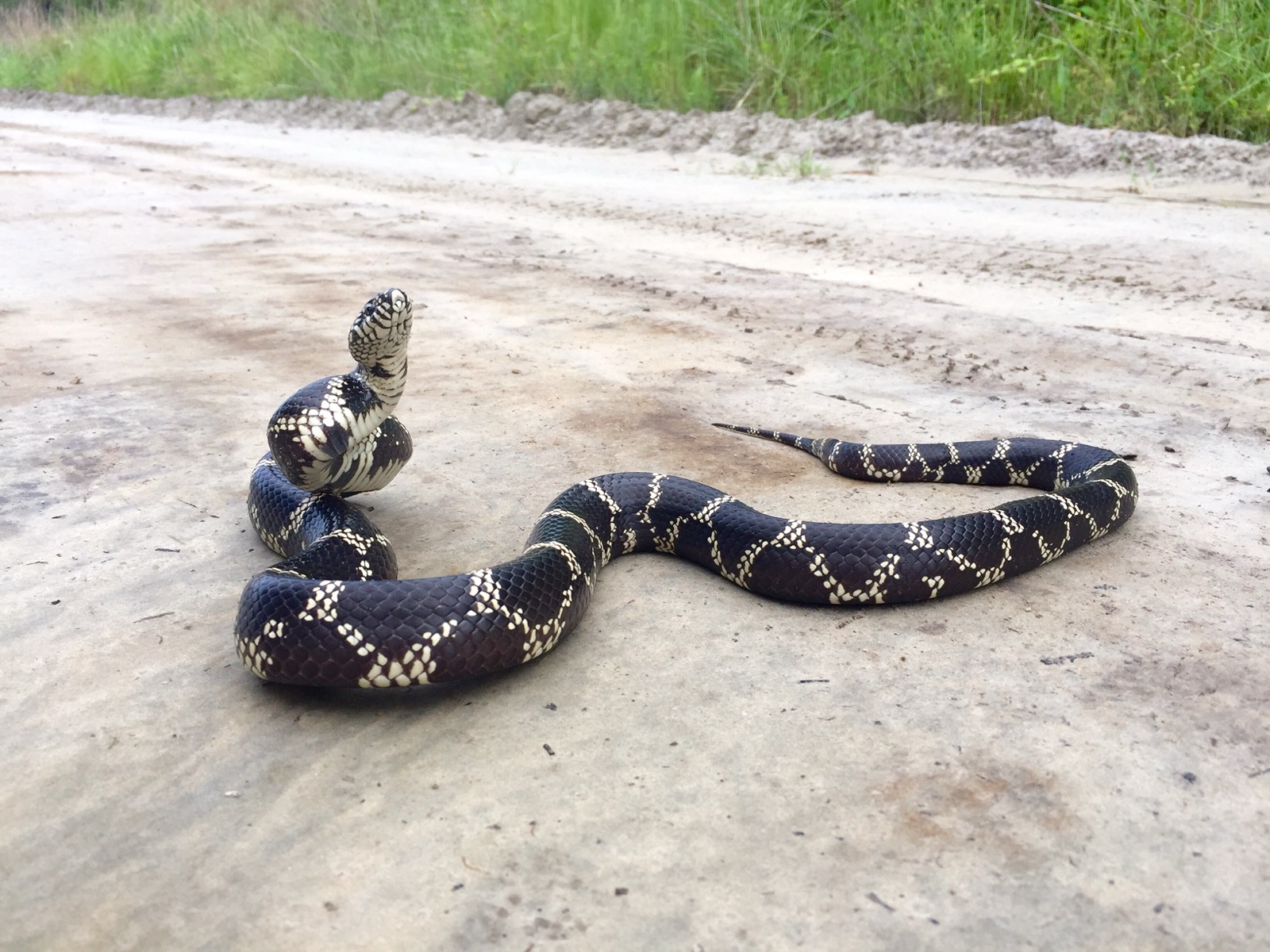
Photo: Brian Gratwicke via Wikimedia Commons · CC BY 2.0
Aug 2, 2026•6 min read
Yes, some snakes do eat other snakes, a specialized dietary behavior known as ophiophagy. This unique predatory strategy is adopted by certain species, such as kingsnakes and cobras, allowing them to hunt and consume other serpents, sometimes even venomous ones. It represents a fascinating adaptation within their ecological niche.
snake dietophiophagycannibalismkingsnakescobrassnake behavior
Read PostPhoto: Hecssss via Wikimedia Commons · CC0
Aug 2, 2026•6 min read
Snakes perceive the world through a fascinating array of specialized senses that are very different from our own. Lacking external ears and relying on unique chemosensory organs, they piece together a vivid picture of their environment using vibrations, chemical cues, heat, and varying degrees of vision. This multi-sensory approach allows them to navigate, hunt, and detect threats effectively in diverse habitats.
snake senseshow snakes perceivesnake sensory organsvomeronasal organsnake hearingsnake smell
Read PostPhoto: NPS via Wikimedia Commons · Public domain
Aug 1, 2026•6 min read
Yes, snakes frequently bite when startled or surprised. This behavior is almost always a defensive reaction to a perceived threat, rather than an act of aggression. They prefer to escape confrontation but will strike if they feel cornered, stepped on, or unable to flee quickly enough.
snake behaviorsnake safetysnake bitesdefensive snakesavoiding snake bitessnake reactions
Read PostPhoto: Ltshears via Wikimedia Commons · Public domain
Aug 1, 2026•6 min read
Encountering a snake can be startling, but your first reaction should always be to stay calm and give it space. Most snakes are harmless and will move away if given the opportunity. By understanding a few simple steps, you can ensure both your safety and the snake's well-being during an unexpected encounter.
snake encounter safetywhat to do when you see a snakesnake safety tipshow to react to a snakesnake in yard safetysafe distance from snake
Read PostPhoto: Andrea massagli via Wikimedia Commons · CC BY-SA 4.0
Aug 1, 2026•6 min read
Snakes perceive their environment through a fascinating combination of senses, not just their eyes. While their vision varies by species, often being best at detecting movement, snakes rely heavily on their forked tongues to "taste" the air for chemical cues and on heat-sensing pits to detect warm-blooded prey. This multi-sensory approach allows them to navigate, hunt, and survive effectively in diverse habitats.
snake sensessnake visionsnake perceptionhow snakes seesnake heat pitssnake tongue
Read PostPhoto: Andrea massagli via Wikimedia Commons · CC BY-SA 4.0
Jul 31, 2026•6 min read
Many snakes possess remarkable adaptations that allow them to navigate and hunt effectively in low-light conditions, though their perception of "darkness" differs greatly from human vision. Beyond traditional eyesight, snakes employ a sophisticated array of other senses, including heat detection, chemical sensing, and vibration perception, to thrive after sunset. This multi-sensory approach ensures their survival in environments where light is scarce.
snake visionsnake sensesnocturnal snakessnake eyespit vipershow snakes hunt
Read PostPhoto: Peter Paplanus via Wikimedia Commons · CC BY 2.0
Jul 31, 2026•6 min read
Snakes are ectothermic, meaning they rely on external heat sources like the sun to regulate their body temperature. Basking is a critical behavior for their survival, enabling digestion, movement, and other vital functions. Understanding when and where snakes bask can help you avoid unexpected encounters and stay safe outdoors.
snake baskingsnake sunningsnake behaviorsnake safetythermoregulationcold-blooded animals
Read PostPhoto: Snakyehw via Wikimedia Commons · CC0
Jul 31, 2026•6 min read
Most snake species do not provide parental care for their young after birth or hatching. While some female snakes guard their eggs until they hatch, once the babies emerge, they are typically independent from the start. This contrasts sharply with many other animal groups where extensive parental involvement is common.
snake parental carebaby snakessnake reproductionsnake eggssnake hatchlingssnake behavior
Read PostPhoto: Andrea massagli via Wikimedia Commons · CC BY-SA 4.0
Jul 30, 2026•6 min read
Snakes don't have eyelids in the same way humans do, which means they never blink. Instead, their eyes are covered by a unique transparent scale called a brille or spectacle. This clear, protective scale acts like a built-in contact lens, shielding the snake's eyes from dust, debris, and injury.
snake eyessnake visionsnake anatomybrillesnake spectaclereptile eyes
Read Post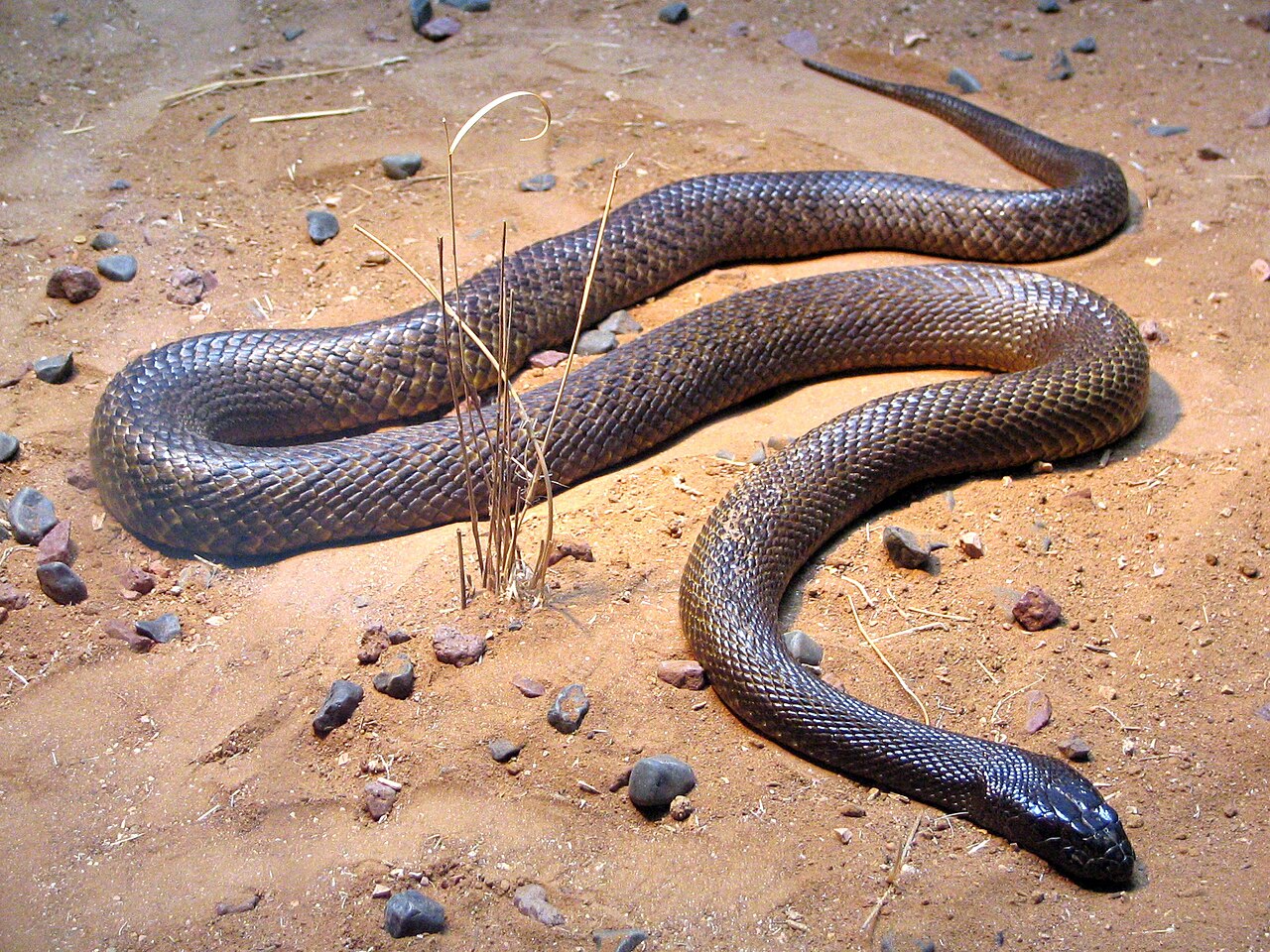
Photo: XLerate via Wikimedia Commons · CC BY-SA 3.0
Jul 30, 2026•6 min read
The speed at which snake venom takes effect varies significantly depending on many factors, including the snake species, the amount of venom injected, and the bite location. While some symptoms may appear within minutes, others can develop over several hours. Regardless of perceived severity, it is crucial to seek professional medical help immediately after any suspected venomous snake bite.
snake venom speedvenomous snake bitesnake bite symptomssnake bite first aidvenom action timesnake species venom
Read PostPhoto: Ltshears via Wikimedia Commons · Public domain
Jul 30, 2026•6 min read
Stepping on a snake is a startling and potentially dangerous experience, but knowing how to react can prevent a bite or minimize harm. The most crucial steps are to remain calm, avoid sudden movements, and slowly back away to assess the situation. Most snakes will only bite defensively when surprised or threatened. Your immediate, measured response is key to a safe outcome.
snake safetysnake bite preventionwhat to do with snakessnake encountersreptile safetydefensive snake behavior
Read Post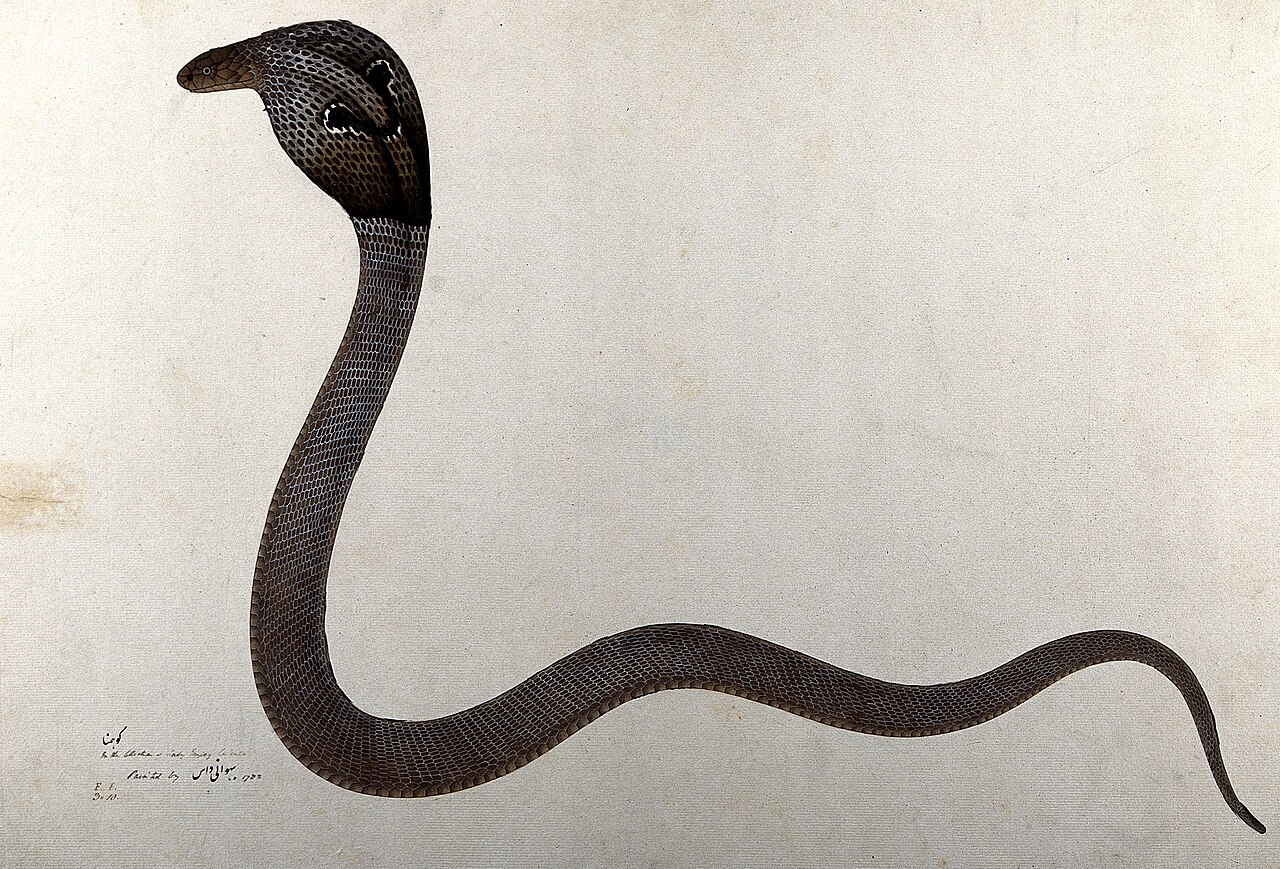
Photo: Wellcome Collection via Wikimedia Commons · CC BY 4.0
Jul 29, 2026•6 min read
Cobras and some related elapid snakes expand a "hood" as a distinctive defensive display. This impressive visual warning is achieved by flattening specialized ribs in their neck region, making the snake appear larger and more intimidating to potential threats. It's a clear signal to stay away, rather than a precursor to an immediate strike.
cobrassnake behaviordefensive displaysnake anatomyelapid snakessnake identification
Read PostPhoto: National Park Service via Wikimedia Commons · Public domain
Jul 29, 2026•6 min read
Snakes possess an incredibly long, narrow body, which necessitates a unique internal arrangement of their organs. Instead of the compact, paired organs found in many animals, a snake's internal anatomy features elongated organs, often arranged linearly, and sometimes with one of a pair being greatly reduced or absent. This specialized layout is a key adaptation for their legless, serpentine form, allowing for efficient movement and the remarkable ability to swallow prey much larger than their heads.
snake anatomysnake organssnake physiologyreptile biologysnake adaptationsinternal anatomy
Read PostPhoto: M.Aurelius via Wikimedia Commons · CC0
Jul 29, 2026•6 min read
No, snakes do not regenerate their tails or any other lost body parts in the way many lizards can. While snakes possess remarkable healing capabilities for wounds, a lost tail or limb will not grow back. Unlike some other reptiles, snakes do not have the specialized cellular mechanisms required for significant appendage regeneration.
snake regenerationsnake tailssnake healingsnake anatomyreptile factssnake injuries
Read PostPhoto: NPS via Wikimedia Commons · Public domain
Jul 28, 2026•6 min read
Yes, snakes can potentially bite through clothing, especially if the fabric is thin or the snake has long fangs. While some materials like thick denim or leather boots offer a degree of protection, no everyday clothing guarantees complete immunity from a snake bite. The best defense remains maintaining a safe distance and being aware of your surroundings.
snake bite protectionsnake safety gearsnake bite preventionoutdoor safetysnake fangshiking safety
Read PostPhoto: USFWS Pacific Southwest Region via Wikimedia Commons · CC BY 2.0
Jul 28, 2026•6 min read
Snakes often remain motionless for a variety of critical reasons beyond just playing dead. This stillness can be a strategic hunting tactic, allowing them to ambush unsuspecting prey. It’s also essential for regulating their body temperature, whether basking in the sun to warm up or seeking shade to cool down. Furthermore, snakes frequently stay still to conserve energy while resting or to avoid detection through camouflage.
snake behaviorsnake stillnesssnake camouflagesnake thermoregulationsnake hunting
Read Post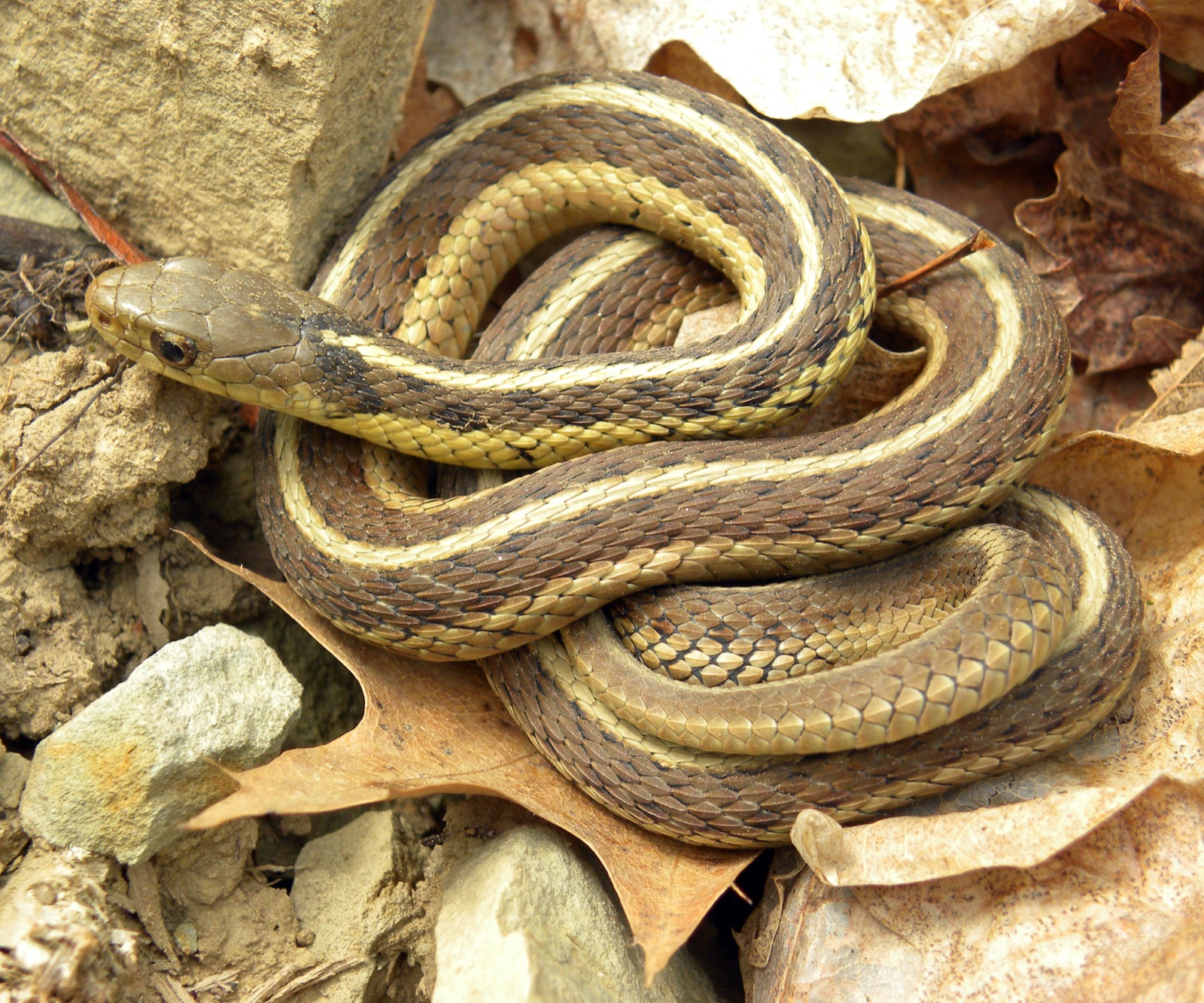
Photo: Wilson44691 via Wikimedia Commons · Public domain
Jul 28, 2026•6 min read
No, snakes do not have belly buttons in the way mammals do. A belly button is a scar left by an umbilical cord, which connects a mammalian fetus to its mother's placenta. Since most snakes lay eggs and even live-bearing snakes do not develop a placenta and umbilical cord, they don't have this distinctive feature.
snake anatomysnake reproductionsnake birthreptile factsanimal anatomysnake myths
Read PostPhoto: M.Aurelius via Wikimedia Commons · CC0
Jul 27, 2026•6 min read
Yes, snakes do have stomachs, though their digestive system is highly specialized for consuming large, infrequent meals. Their stomach is an elongated, muscular, and expandable organ that plays a crucial role in breaking down prey, often whole animals, using powerful acids and enzymes. This adaptation allows them to process substantial amounts of food over an extended period. Understanding this unique anatomy helps explain many aspects of snake behavior.
snake anatomysnake digestionsnake stomachreptile digestive systemsnake biologyhow snakes eat
Read Post
Photo: Steve Jurvetson via Wikimedia Commons · CC BY 2.0
Jul 27, 2026•6 min read
People often wonder if making loud noises or stomping their feet can scare a snake away. While snakes don't hear airborne sounds in the same way humans do, they are highly sensitive to ground vibrations. However, a sudden loud noise or stomp might not always make a snake retreat; it could cause it to freeze, coil defensively, or even strike if it feels directly threatened.
snake safetysnake behaviorsnake hearingground vibrationsdeterring snakessnake myths
Read PostPhoto: Tigerpython via Wikimedia Commons · CC BY-SA 4.0
Jul 27, 2026•6 min read
Despite lacking limbs, snakes possess sophisticated internal systems that enable them to maintain balance and orient themselves with remarkable precision. Their inner ear acts as a crucial vestibular organ, detecting head movements and gravity, while constant feedback from their flexible spine and sensitive scales allows for continuous adjustments to their body position. These integrated senses empower snakes to navigate complex environments, climb, and move across diverse terrains with impressive stability.
snake balancesnake orientationsnake sensessnake movementsnake anatomyvestibular system
Read PostPhoto: M.Aurelius via Wikimedia Commons · CC0
Jul 26, 2026•6 min read
Snake scales are far more than simple skin; they are complex, overlapping structures crucial for protection, movement, and even camouflage. Beyond the commonly known smooth or keeled varieties, scales vary significantly in shape, texture, and arrangement. Understanding these differences offers vital clues for identification and reveals remarkable adaptations to diverse environments.
snake scalessnake identificationreptile skinsnake anatomyscale typessnake function
Read PostPhoto: David J. Stang via Wikimedia Commons · CC BY-SA 4.0
Jul 26, 2026•6 min read
Snakes are fascinating creatures that continue to grow throughout their entire lives, though the rate of growth slows considerably after maturity. Their ultimate size is influenced by a combination of genetics, consistent food availability, and suitable environmental conditions. While some species can reach impressive lengths, most snakes encountered in residential areas are relatively small to medium-sized.
snake sizesnake growthhow big are snakessnake lifespanmaximum snake lengthsnake development
Read PostPhoto: NPS via Wikimedia Commons · Public domain
Jul 25, 2026•6 min read
Snakes typically display clear warning signs before striking, as a bite is usually a last resort for defense. These signals often include coiling into an S-shape, flattening their head or body, hissing, and vibrating their tail. Recognizing these behaviors from a safe distance can help prevent bites and ensure both human and snake safety.
snake warning signssnake pre-strike behaviorhow to avoid snake bitessnake safetyidentifying snake threatssnake defensive postures
Read PostPhoto: Peter Paplanus via Wikimedia Commons · CC BY 2.0
Jul 25, 2026•6 min read
Snakes, being ectothermic, spend their days primarily focused on thermoregulation, finding optimal temperatures to maintain their body functions. Beyond basking or seeking shade, their daily activities include hunting for food, seeking water, and finding safe places to rest or hide from predators. Their routines are largely dictated by environmental conditions and their immediate needs, making them far from idle creatures. Each action serves a vital purpose for survival.
snake daily routinesnake behaviorsnake thermoregulationsnake huntingsnake restingsnake activity patterns
Read PostPhoto: NPS via Wikimedia Commons · Public domain
Jul 25, 2026•6 min read
Snakes do not experience complex emotions like 'anger' in the way humans do. Their seemingly aggressive behaviors, such as hissing, striking, or coiling, are instinctual defensive reactions to perceived threats. These actions are driven by fear and a strong survival instinct, not by malice or a desire for confrontation.
snake behaviorsnake emotionssnake aggressionreptile instinctsdefensive snakessnake myths
Read PostPhoto: Tigerpython via Wikimedia Commons · CC BY-SA 4.0
Jul 24, 2026•6 min read
Snakes display a remarkable array of colors and intricate patterns, a visual feast that serves various crucial functions. These vibrant hues and intricate designs are primarily created by specialized pigment cells in their skin, known as chromatophores. Beyond pigments, structural elements within their scales can also scatter light, producing iridescent effects or brilliant blues and greens, contributing to their diverse appearances for camouflage, warning, or mimicry.
snake colorsnake patternssnake skinchromatophoresiridescencesnake identification
Read PostPhoto: photochem_PA via Wikimedia Commons · CC BY 2.0
Jul 24, 2026•6 min read
Snakes are not "smart" in the way humans or many mammals are, lacking complex problem-solving or emotional intelligence. Their intelligence is highly specialized, focused on survival, hunting, and reproduction through instinctual behaviors and limited learning. They are perfectly adapted to their environments, but their minds operate on a different, more primal level than our own.
snake intelligencesnake behaviorsnake cognitionreptile intelligencesnake sensessnake myths
Read PostPhoto: National Park Service via Wikimedia Commons · Public domain
Jul 23, 2026•6 min read
No, snakes do not typically eat their own tails out of hunger or choice. This rare and often fatal behavior, known as autophagia or autophagy, is usually a sign of extreme stress, disorientation, or illness, particularly in captive environments, and is not a natural feeding practice.
snake behaviorsnake mythssnake healthreptile stressautophagiasnake care
Read PostPhoto: M.Aurelius via Wikimedia Commons · CC0
Jul 23, 2026•6 min read
Snakes primarily move forward using various forms of locomotion, but they are indeed capable of moving backward. This reverse motion is typically slower and less efficient than forward travel, and snakes usually employ it for specific purposes, such as extricating themselves from tight spaces, retreating from a perceived threat, or adjusting their position. While not a primary mode of travel, backward movement is a valuable part of a snake's behavioral repertoire.
snake movementsnake locomotionsnake behaviorbackward movementsnake reversereptile movement
Read PostPhoto: steve kharmawphlang via Wikimedia Commons · CC BY 2.0
Jul 23, 2026•6 min read
Yes, snakes regularly lose and replace their fangs throughout their lives, much like they replace their other teeth. This continuous process ensures they always have sharp, functional fangs for hunting and defense. A lost fang is quickly replaced by a new one developing in the jaw, meaning a venomous snake is rarely without its primary means of venom delivery.
snake fangssnake teethvenomous snakessnake anatomyfang replacementsnake biology
Read PostPhoto: National Park Service via Wikimedia Commons · Public domain
Jul 22, 2026•6 min read
Many common fences are not a complete barrier to snakes, as various species possess remarkable climbing abilities. Snakes can scale different fence materials by utilizing their powerful muscles and specialized belly scales. Understanding how snakes climb helps homeowners implement more effective prevention strategies than relying on a fence alone.
snakes climbingsnake fencesyard safetysnake preventionhomeowner snake tipshow to keep snakes out
Read PostPhoto: NPS via Wikimedia Commons · Public domain
Jul 22, 2026•6 min read
When a snake feels threatened, its primary goal is usually to escape detection or confrontation. If escape isn't possible, snakes employ a range of defensive behaviors, from camouflage and warning displays to bluffing and, as a last resort, biting. These actions are almost always defensive reactions to perceived danger, not acts of aggression.
snake defense mechanismssnake behaviorthreatened snakesnake warningsplaying dead snakesnake bluffing
Read PostPhoto: M.Aurelius via Wikimedia Commons · CC0
Jul 22, 2026•6 min read
Snakes possess a highly adapted respiratory system designed to function within their elongated, legless bodies. Unlike many animals, their internal organs are stretched out, and their lungs reflect this, often with one lung being significantly reduced or absent. This specialized anatomy allows them to continue breathing even while swallowing large prey or during periods of physical exertion.
snake breathingsnake lungssnake anatomysnake respirationtracheal lunghow snakes work
Read PostPhoto: M.Aurelius via Wikimedia Commons · CC0
Jul 21, 2026•6 min read
Snakes are believed to have evolved from terrestrial, burrowing lizards that lost their limbs as an adaptation for navigating underground spaces. While early theories debated a marine versus land origin, fossil evidence and genetic analysis now strongly support a land-based evolutionary journey. This remarkable adaptation allowed them to diversify into the wide array of species we see today.
snake evolutionsnake originslegless reptilespaleontologyherpetologyreptile history
Read PostPhoto: USFWS Pacific Southwest Region via Wikimedia Commons · CC BY 2.0
Jul 21, 2026•6 min read
When venturing into areas where snakes might be present, choosing appropriate clothing is a key safety measure. While no attire guarantees absolute immunity, sturdy high-top boots, thick long pants, and specialized snake gaiters or chaps can significantly reduce the risk of a snake bite, particularly to the lower legs and feet. These items act as a crucial physical barrier against fangs.
snake bite preventionoutdoor safetysnake protective clothingsnake bootssnake gaitershiking safety
Read PostPhoto: Hecssss via Wikimedia Commons · CC0
Jul 21, 2026•6 min read
Snakes often sway or bob their heads for several crucial reasons, primarily related to their unique sensory capabilities. These movements help them gather detailed information about their environment, enhancing their ability to 'smell' with their forked tongues and improve depth perception for hunting and navigation. It's a complex behavior vital for their survival, not a sign of aggression or a precursor to attack.
snake head movementssnake sensessnake behaviorsnake visionsnake smellmotion parallax
Read PostPhoto: Brian Gratwicke via Wikimedia Commons · CC BY 2.0
Jul 20, 2026•6 min read
While not universally immune to all venoms, many snake species possess a remarkable resistance to certain toxins, including their own. This protection comes from specialized proteins and antibodies in their blood that neutralize venom components. This adaptation allows them to survive accidental self-envenomation or even prey on other venomous species.
snake immunitysnake venom resistancevenomous snake biologysnake adaptationsanimal defense mechanismssnake survival
Read PostPhoto: Hecssss via Wikimedia Commons · CC0
Jul 20, 2026•6 min read
Despite common appearances, snakes do not possess two separate tongues. Instead, they have a single, highly specialized tongue that is distinctly forked or bifurcated at the tip. This unique anatomical feature is crucial for their ability to "smell" and interpret their environment, allowing them to gather vital chemical information about their surroundings.
snake tongueforked tonguesnake sensessnake anatomyvomeronasal organsnake myths
Read PostPhoto: photochem_PA via Wikimedia Commons · CC BY 2.0
Jul 20, 2026•6 min read
When you encounter an injured snake, the safest and most responsible action is to observe from a distance and contact local wildlife authorities or a professional snake catcher. Never attempt to handle or directly assist an injured snake yourself, as even non-venomous species can bite when stressed or in pain. Keeping a safe distance protects both you and the animal, allowing experts to intervene effectively.
injured snakesnake safetywildlife rescuesnake encounteranimal welfaresnake identification
Read Post
Photo: Oregon State University via Wikimedia Commons · CC BY-SA 2.0
Jul 19, 2026•6 min read
Snake mating is a fascinating, often unseen process driven by seasonal cues and complex chemical signals. Male snakes locate females using pheromones, engaging in courtship rituals that can involve tactile stimulation and competitive displays. Successful mating typically involves copulation where the male transfers sperm to the female, a vital step for the continuation of snake species.
snake reproductionsnake matingsnake courtshipsnake behaviorsnake pheromonessnake breeding
Read PostPhoto: steve kharmawphlang via Wikimedia Commons · CC BY 2.0
Jul 19, 2026•6 min read
Yes, a snake, even after decapitation, can exhibit reflex actions for a surprising amount of time, including biting. This is due to residual nerve energy in the muscles, not consciousness or continued life. It's a critical safety concern, especially with venomous species, emphasizing the danger of handling seemingly dead snakes.
snake bite safetydecapitated snakesnake reflexesvenomous snake dangerpost-mortem snake behaviorsnake myths
Read PostPhoto: steve kharmawphlang via Wikimedia Commons · CC BY 2.0
Jul 19, 2026•6 min read
Snakes do not dislocate their jaws in the traditional sense, unlike other animals. Instead, their unique skull and jaw structure allows for extreme flexibility, enabling them to swallow prey much larger than their heads. This incredible adaptation involves loose ligaments and multiple movable bones, rather than a true dislocation.
snake jaw flexibilitysnake anatomyhow snakes eatsnake mythssnake swallowingreptile jaw structure
Read PostPhoto: NPS via Wikimedia Commons · Public domain
Jul 18, 2026•6 min read
Snakes coil for a variety of reasons, most of which are not aggressive. This common posture can indicate resting, thermoregulation, ambush hunting, or a defensive warning. Understanding the context of a coiled snake's behavior is key to staying safe and respecting its space.
snake behaviorsnake safetysnake posturescoiled snakesnake defensesnake identification
Read PostPhoto: M.Aurelius via Wikimedia Commons · CC0
Jul 18, 2026•6 min read
Snakes don't possess external ears like humans, which leads many to believe they are deaf. However, snakes are incredibly adept at detecting vibrations. They primarily sense ground vibrations through their jawbones and the scales along their bodies, transmitting these subtle movements directly to their inner ear. This specialized sense is crucial for perceiving approaching prey, predators, and even humans from a distance.
snake sensessnake vibration detectionsnake hearingsnake anatomyhow snakes perceive the worldsnake defense
Read PostPhoto: Andrea massagli via Wikimedia Commons · CC BY-SA 4.0
Jul 18, 2026•6 min read
Snakes do perceive color, though their experience of it differs significantly from humans. While some species, particularly those active during the day, have a broader spectrum of color detection, many snakes are more sensitive to movement and thermal cues. Their visual world is often less about vibrant hues and more about distinguishing contrasts and light intensity.
snake visionsnake sensessnake color perceptionsnake eyesreptile visionsnake facts
Read PostPhoto: M.Aurelius via Wikimedia Commons · CC0
Jul 17, 2026•6 min read
Yes, many snake species do eat eggs, ranging from bird eggs to reptile eggs. While some snakes are opportunistic feeders, others have evolved highly specialized anatomical adaptations to consume eggs much larger than their heads. This behavior is a natural part of their varied diets, especially for species living near bird nests or reptile breeding grounds.
snakes eat eggssnake dietegg-eating snakessnake feeding habitsreptile dietwildlife awareness
Read PostPhoto: M.Aurelius via Wikimedia Commons · CC0
Jul 17, 2026•6 min read
Yes, snakes possess a remarkable number of ribs, typically hundreds, extending along most of their body from just behind the head to the cloaca. Unlike many other animals, these ribs are not fused into a rigid cage, but are highly mobile and connected to powerful musculature. This unique skeletal structure is fundamental to a snake's ability to move, breathe, and protect its vital internal organs.
snake anatomysnake ribssnake movementsnake skeletonreptile biologysnake protection
Read PostPhoto: Wellcome Collection via Wikimedia Commons · CC BY 4.0
Jul 16, 2026•6 min read
Snakes employ a diverse array of strategies to protect themselves from predators and perceived threats. These range from blending seamlessly into their environment through camouflage to actively warning off potential dangers with hisses, rattles, or impressive body postures. Some species even mimic more dangerous snakes or play dead to avoid confrontation. Understanding these defensive behaviors can help people appreciate snakes and avoid dangerous encounters.
snake defensesnake protectionsnake camouflagesnake mimicrysnake behaviordefensive displays
Read PostPhoto: National Park Service via Wikimedia Commons · Public domain
Jul 16, 2026•6 min read
No, snakes do not possess claws, fingers, or toes. Their bodies are entirely covered in scales, which serve various functions including protection and aiding in locomotion. The absence of limbs and claws is a defining characteristic of snakes, a result of millions of years of evolution towards a legless, elongated form, perfectly adapted for their unique way of life.
snake anatomysnake movementsnake scalesreptile evolutionsnake factssnake body parts
Read PostPhoto: Andrea massagli via Wikimedia Commons · CC BY-SA 4.0
Jul 16, 2026•6 min read
Identifying a venomous snake can be crucial for safety, but many popular “rules” are unreliable and can lead to dangerous misidentifications. Relying on head shape, pupil shape, or color alone is often misleading. Instead, focus on learning the specific markings and behaviors of venomous species in your local area to make an accurate, safe assessment.
snake identificationvenomous snakessnake mythssnake safetyidentifying snakessnake features
Read PostPhoto: M.Aurelius via Wikimedia Commons · CC0
Jul 15, 2026•6 min read
Yes, snakes can climb stairs, though it's not their preferred mode of travel. Their flexible bodies and specialized scales allow them to navigate vertical surfaces, including steps, to explore or seek shelter. While uncommon, finding a snake on an upper floor means it likely entered at ground level and moved upwards. They are primarily driven by curiosity, prey, or environmental conditions, not by a desire to reach specific upper rooms.
snake climbingsnakes indoorssnake safetymulti-story homessnake behaviorpest control
Read PostPhoto: Tigerpython via Wikimedia Commons · CC BY-SA 4.0
Jul 15, 2026•6 min read
Snakes possess remarkable strength, particularly given their legless form. Their powerful musculature, combined with hundreds of vertebrae and flexible ribs, allows them to constrict prey, climb trees, and move efficiently across diverse terrains. This inherent strength is crucial for their survival, enabling effective hunting, defense, and locomotion in various environments.
snake strengthsnake musclessnake constrictionsnake climbingsnake anatomyreptile strength
Read PostPhoto: NPS via Wikimedia Commons · Public domain
Jul 15, 2026•6 min read
No, snakes cannot hypnotize their prey. The idea that a snake can put an animal into a trance is a persistent myth, often stemming from observations of prey animals appearing frozen or disoriented before a strike. In reality, this behavior is a natural fear response, not a result of any hypnotic power. Snakes rely on stealth, camouflage, and keen senses to ambush or overpower their meals.
snake mythssnake huntingsnake behaviorprey responsesnake sensesanimal hypnosis
Read PostPhoto: National Park Service via Wikimedia Commons · Public domain
Jul 14, 2026•6 min read
Male and female snakes often exhibit subtle differences in appearance, a phenomenon known as sexual dimorphism. While these distinctions can be hard for the casual observer to spot, they can include variations in size, tail length, and sometimes color or pattern. Accurately determining a snake's sex usually requires close examination by an expert.
snake identificationsnake biologysexual dimorphismmale female snakessnake anatomyreptile facts
Read PostPhoto: NPS via Wikimedia Commons · Public domain
Jul 14, 2026•6 min read
Snakes bite primarily for two reasons: defense or to secure prey. They are not inherently aggressive towards humans and typically only bite when they feel threatened, are startled, or mistake a moving hand or foot for food. Understanding these core motivations is crucial for safely coexisting with these reptiles.
snake bitessnake behaviorsnake safetydefensive bitesvenomous snakessnake myths
Read PostPhoto: Wendy McCrady via Wikimedia Commons · CC BY 4.0
Jul 14, 2026•6 min read
While snakes are widely known for their lightning-fast strikes, their typical movement speed is often much slower than many people imagine. Most snakes travel at a leisurely pace, generally less than 1-2 miles per hour, when they are not actively hunting or escaping a perceived threat. Their actual speed varies greatly depending on the species, terrain, and the specific purpose of their movement.
snake speedsnake movementsnake travel speedsnake locomotionsnake behaviorreptile speed
Read Post
Photo: U.S. Fish and Wildlife Service via Wikimedia Commons · Public domain
Jul 13, 2026•6 min read
Snake patterns and colors are far from random; they are essential survival tools. These intricate designs primarily function for camouflage, helping snakes blend into their environment to hide from predators and ambush prey. Additionally, bold patterns can act as warning signals to deter threats, while some harmless snakes even mimic dangerous species to avoid harm.
snake patternssnake colorssnake camouflagewarning colorationsnake mimicrysnake identification
Read PostPhoto: Tigerpython via Wikimedia Commons · CC BY-SA 4.0
Jul 13, 2026•6 min read
Snakes generally struggle to climb perfectly smooth, vertical surfaces like glass, polished metal, or slick painted walls. Their locomotion relies on friction and gripping irregularities with their belly scales, which are largely absent on truly smooth surfaces. While a snake might be able to get a slight purchase on a dusty window or a rough patch, they lack adhesive pads or claws to defy gravity on slick planes.
snake climbingsmooth surfacessnake movementsnake in househomeowner safetysnake identification
Read PostPhoto: photochem_PA via Wikimedia Commons · CC BY 2.0
Jul 13, 2026•6 min read
While wild snakes can carry certain bacteria, most notably Salmonella, the risk of transmitting diseases to humans from a casual encounter is generally very low. Direct handling or improper hygiene after contact poses the primary risk, not simply spotting a snake in your yard or on a trail. With proper precautions, snakes are not a significant source of illness for people.
snake diseasessalmonellareptile healthwildlife safetysnake hygienedisease transmission
Read PostPhoto: Marshal Hedin via Wikimedia Commons · CC BY 2.0
Jul 12, 2026•6 min read
Snakes, despite their lack of limbs, are remarkably efficient movers, employing distinct methods to navigate various terrains. They primarily use four types of locomotion: serpentine (or lateral undulation), rectilinear, concertina, and sidewinding. Each of these unique gaits is a specialized adaptation, allowing snakes to thrive in environments ranging from dense forests to shifting sands.
snake movementsnake locomotionserpentine motionsidewindingsnake behaviorreptile movement
Read PostPhoto: steve kharmawphlang via Wikimedia Commons · CC BY 2.0
Jul 12, 2026•6 min read
Venomous snakes produce and store their potent venoms in specialized glands located behind their eyes, within the upper jaw. These venom glands are essentially modified salivary glands, connected by ducts to their fangs. When a snake bites, muscles contract around these glands, forcing the venom through the ducts and out through the hollow or grooved fangs into their prey or attacker.
snake venomvenom glandssnake fangssnake anatomyvenom deliverysnake bites
Read PostPhoto: steve kharmawphlang via Wikimedia Commons · CC BY 2.0
Jul 12, 2026•6 min read
Snake venom is not a single substance but a complex cocktail of various proteins, enzymes, and toxins, each designed to achieve different effects. While often categorized into neurotoxic, hemotoxic, and cytotoxic types, many snakes possess venom with a combination of these properties. Understanding these categories helps to appreciate the diverse ways venomous snakes affect their prey and, in rare instances, humans.
snake venomneurotoxic venomhemotoxic venomcytotoxic venomsnake bitevenomous snakes
Read PostPhoto: USFWS Pacific Southwest Region via Wikimedia Commons · CC BY 2.0
Jul 11, 2026•6 min read
Most snakes are remarkably silent creatures, making little to no audible noise as they move through their environment. While some species produce distinct hisses or rattles as defensive warnings, many snakes never make these sounds. Therefore, relying on sound to detect a snake's presence is an unreliable and potentially dangerous strategy, emphasizing the importance of visual awareness for safety.
snake soundssnake communicationsnake safetyhissing snakesrattling snakessnake behavior
Read Post
Photo: Peter Paplanus via Wikimedia Commons · CC BY 2.0
Jul 11, 2026•6 min read
The smallest known snake in the world is the Barbados Threadsnake (Tetracheilostoma carlae), typically measuring around 4 inches (10 cm) in length. These slender, non-venomous reptiles live primarily underground, feeding on insect larvae and playing a crucial role in their tiny island ecosystem. Their diminutive size allows them to exploit unique niches often overlooked by larger predators.
smallest snakebarbados threadsnakethreadsnaketiny snakesnake factssnake identification
Read PostPhoto: Steve Jurvetson via Wikimedia Commons · CC BY 2.0
Jul 11, 2026•6 min read
Many people mistake legless lizards for snakes due to their similar appearance and lack of limbs. While both are reptiles, there are several key differences in their anatomy and behavior that can help you distinguish between them. Observing characteristics like eyelids, ear openings, belly scales, and tail length can often provide the necessary clues for accurate identification.
snake identificationlegless lizardreptile identificationsnake vs lizardcommon misconceptionssafe snake encounters
Read PostPhoto: M.Aurelius via Wikimedia Commons · CC0
Jul 10, 2026•6 min read
Fear of snakes, known as ophidiophobia, is one of the most common animal phobias globally, affecting a significant portion of the population. While a natural caution around any potentially dangerous animal is a healthy survival instinct, an intense and irrational fear often stems from a combination of evolutionary predispositions, cultural narratives, and a lack of accurate information about these reptiles. Understanding typical snake behavior can help demystify them and reduce unnecessary anxiety.
fear of snakesophidiophobiasnake phobiasnake behaviordebunking mythssnake awareness
Read PostPhoto: M.Aurelius via Wikimedia Commons · CC0
Jul 10, 2026•6 min read
Snakes possess an extraordinary skeletal system that allows for their remarkable flexibility and diverse forms of movement. Unlike humans and most other vertebrates, snakes have hundreds of vertebrae, each connected to a pair of ribs along most of their body. This unique anatomy is the key to their ability to coil, climb, swim, and move across varied terrains without limbs. They are far from boneless, instead being masters of skeletal design.
snake anatomysnake skeletonsnake vertebraesnake ribssnake flexibilitysnake movement
Read PostPhoto: Ltshears via Wikimedia Commons · Public domain
Jul 9, 2026•6 min read
Most snake bites are defensive, occurring when humans accidentally threaten or provoke a snake. They are not typically aggressive attacks but rather a snake's last resort when it feels cornered, surprised, or handled. Understanding these common scenarios can help you prevent bites and stay safe in snake country.
snake bite preventionsnake safetydefensive snake bitesavoiding snakessnake encounterswhat triggers snake bites
Read PostPhoto: Steve Jurvetson via Wikimedia Commons · CC BY 2.0
Jul 9, 2026•6 min read
Yes, snakes do smell with their noses, but this is just one part of their sophisticated dual olfactory system. While their nostrils detect general airborne scents much like ours, their famous forked tongue works in tandem with a specialized organ to 'taste' detailed chemical cues from their environment. This combined approach allows snakes to navigate, hunt, and detect threats with remarkable precision.
snake sensessnake smellsnake nostrilsvomeronasal organjacobson's organsnake behavior
Read PostPhoto: Peter Paplanus via Wikimedia Commons · CC BY 2.0
Jul 8, 2026•6 min read
Yes, snakes do eliminate liquid waste, but it's not the same as a mammal's liquid urine. Most snakes produce a semi-solid, white, pasty substance called uric acid. This efficient method allows them to conserve water, which is a crucial adaptation for survival in many environments.
snake wastesnake urinationuric acidsnake physiologywater conservationsnake facts
Read PostPhoto: Peter Paplanus via Wikimedia Commons · CC BY 2.0
Jul 8, 2026•6 min read
Snakes can enter homes through surprisingly small openings, often seeking shelter, warmth, or prey like rodents. Common entry points include gaps under doors, unsealed utility openings, foundation cracks, and even open windows. Sealing these vulnerabilities is key to preventing unwelcome visitors. Understanding how they get in is the first step to keeping your home snake-free.
snake entry pointssnakes in houseprevent snakes indoorshouse snake proofingsnake home invasionwildlife exclusion
Read PostPhoto: M.Aurelius via Wikimedia Commons · CC0
Jul 8, 2026•6 min read
Yes, scientific evidence strongly suggests that snakes evolved from four-legged lizard ancestors. While modern snakes are characterized by their lack of limbs, fossils and genetic studies reveal a fascinating evolutionary journey. This transformation allowed them to adapt to diverse environments, becoming the highly specialized predators we know today.
snake evolutionsnakes with legssnake ancestorsreptile evolutionlegless lizardssnake biology
Read PostPhoto: M.Aurelius via Wikimedia Commons · CC0
Jul 7, 2026•6 min read
Snakes possess an extraordinary degree of flexibility, allowing them to move with remarkable agility, constrict prey, and navigate complex environments. This unique capability stems from their elongated bodies, packed with hundreds of vertebrae and ribs, each connected by numerous flexible joints. Unlike many other animals, snakes lack limbs, making their spinal column the primary structure for all forms of locomotion and manipulation.
snake flexibilitysnake movementsnake anatomysnake skeletonvertebraesnake body
Read PostPhoto: USFWS Pacific Southwest Region via Wikimedia Commons · CC BY 2.0
Jul 7, 2026•6 min read
Snakes are found in nearly every type of habitat across the globe, from scorching deserts to dense rainforests, and even oceans. Their remarkable adaptability allows them to thrive in diverse environments, seeking out specific conditions for food, shelter, and thermoregulation. Understanding their preferred habitats helps us appreciate their ecological roles and anticipate where we might encounter them. These legless reptiles have evolved unique characteristics to exploit diverse niches in their chosen homes.
snake habitatwhere do snakes livesnake environmentsnake adaptationreptile habitatsnake ecology
Read PostPhoto: NPS via Wikimedia Commons · Public domain
Jul 7, 2026•6 min read
When encountering a snake, maintaining a safe distance is crucial for both your safety and the snake's well-being. While a snake's strike range is typically about half its body length, it's always best to give them significantly more space. A minimum of 6 feet (2 meters) is recommended, allowing ample room for both the snake to move away and for you to react.
snake safetysafe distance from snakesavoiding snake bitessnake encounter tipswildlife encounterssnake behavior
Read PostPhoto: M.Aurelius via Wikimedia Commons · CC0
Jul 6, 2026•6 min read
Snakes' elongated, legless bodies are a marvel of evolution, offering distinct advantages for survival. This unique form allows them to navigate diverse terrains with efficiency, constrict prey effectively, and access narrow hiding spots. Their streamlined shape is a key to their success as predators and survivors in various ecosystems.
snake body shapesnake evolutionlegless animalssnake adaptationssnake movementsnake hunting
Read PostPhoto: National Park Service via Wikimedia Commons · Public domain
Jul 6, 2026•6 min read
Snakes do not drink milk and are physically unable to digest it. As obligate carnivores, their diet consists solely of animal prey, and their digestive systems are not equipped to process dairy. This widespread belief is a persistent myth, often leading to severe harm when snakes are offered milk.
snake mythssnake dietsnake behavioranimal welfareherpetologysnake facts
Read PostPhoto: Andrea massagli via Wikimedia Commons · CC BY-SA 4.0
Jul 6, 2026•6 min read
The presence of vertical, slit-like pupils is often believed to be a reliable indicator of a venomous snake, but this is a common misconception. While many venomous pit vipers do possess such pupils, some harmless snakes also have them, and importantly, many highly venomous species have round pupils. Relying solely on pupil shape for identification can be misleading and dangerous.
snake identificationvenomous snakespupil shapesnake eyesmyth debunkingsnake safety
Read PostPhoto: Ltshears via Wikimedia Commons · Public domain
Jul 5, 2026•6 min read
Despite widespread fears, snake bites are relatively uncommon, especially those resulting in serious harm or fatalities. Most snake bites occur when people attempt to handle, harass, or kill a snake, rather than from unprovoked attacks. Maintaining a respectful distance and understanding snake behavior are the most effective ways to minimize risk.
snake bitessnake safetysnake risksvenomous snakessnake encountersnake awareness
Read PostPhoto: Peter Paplanus via Wikimedia Commons · CC BY 2.0
Jul 5, 2026•6 min read
Snakes often evoke strong reactions, but they are crucial for healthy ecosystems worldwide. As both predators and prey, they help control pest populations, maintain biodiversity, and indicate environmental well-being. Their presence signifies a balanced natural food web.
snake ecological rolesnakes in ecosystempest control by snakessnake benefitswildlife conservationfood web snakes
Read PostPhoto: photochem_PA via Wikimedia Commons · CC BY 2.0
Jul 5, 2026•6 min read
No, snakes generally do not recognize individual humans in the way a mammal might. Their primary senses are geared towards detecting prey, predators, and mates, relying heavily on chemical cues, heat, and vibrations rather than complex visual recognition of faces. While a snake might learn to associate a human's presence with food or threat over time, this is a conditioned response, not personal recognition.
snake sensessnake behaviorsnake intelligencehuman-snake interactionsnake mythsreptile perception
Read PostPhoto: Wellcome Collection via Wikimedia Commons · CC BY 4.0
Jul 4, 2026•6 min read
Many snakes, both venomous and non-venomous, flatten their heads or bodies when threatened. This behavior is a defensive display designed to make the snake appear larger and more intimidating to deter potential predators. It's a bluff, not an indicator of aggression or venom, and should be interpreted as a clear signal for you to maintain a safe distance.
snake behaviorsnake defensesnake identificationsnake mythsdefensive displaynon-venomous snakes
Read PostPhoto: USFWS Midwest Region via Wikimedia Commons · Public domain
Jul 4, 2026•6 min read
If you find a snake in your yard or home and it isn't leaving on its own, your priority should be safety for both you and the snake. The best approach is often to gently encourage it to move on using non-physical methods, or to secure the area and contact a professional. Never attempt to handle a snake yourself, as even non-venomous species can bite when threatened.
snake removalsnake safetysnake in yardsnake in housewildlife controlsnake relocation
Read PostPhoto: M.Aurelius via Wikimedia Commons · CC0
Jul 4, 2026•6 min read
Most snakes possess two lungs, but unlike many other vertebrates, these are often not symmetrical. The left lung is typically reduced or entirely absent, while the right lung is greatly elongated, stretching far down the snake's slender body. This unique arrangement is a remarkable adaptation to their long, narrow form, allowing for efficient respiration without hindering their movement or ability to consume large prey.
snake lungssnake anatomysnake breathingreptile lungssnake internal organssnake adaptations
Read PostPhoto: Steve Jurvetson via Wikimedia Commons · CC BY 2.0
Jul 3, 2026•6 min read
Snakes absolutely feel touch, relying heavily on this sense to navigate their environment, detect prey, and avoid predators. Their entire body, covered in specialized scales, acts as a sophisticated sensory organ, allowing them to perceive textures, vibrations, and pressure changes. This tactile sensitivity is crucial for a creature that interacts with its world by direct contact.
snake sensessnake touchsnake scalessnake behaviorreptile senseshow snakes feel
Read PostPhoto: steve kharmawphlang via Wikimedia Commons · CC BY 2.0
Jul 3, 2026•6 min read
The immediate sensation of a snake bite can vary greatly depending on the species, whether venom was injected, and the bite's location. Non-venomous bites often feel like a sharp prick or scratch. Venomous bites, particularly from pit vipers, are typically described as an immediate, intense, burning pain, sometimes accompanied by throbbing and swelling.
snake bite sensationvenomous snake bite painnon-venomous snake bitewhat a snake bite feels likesnake bite symptomsimmediate snake bite experience
Read PostPhoto: NPS via Wikimedia Commons · Public domain
Jul 3, 2026•6 min read
Globally, only about 15-20% of all known snake species are considered venomous and potentially dangerous to humans. The vast majority of snakes are non-venomous and pose no threat beyond a minor bite if provoked or handled. Understanding this proportion can help reduce unnecessary fear and promote safer, more informed interactions with wildlife.
venomous snakes percentagehow many snake species are venomousare most snakes venomoussnake safety factssnake bite riskidentifying dangerous snakes
Read PostPhoto: Oregon State University via Wikimedia Commons · CC BY-SA 2.0
Jul 2, 2026•6 min read
Snakes typically mate during specific breeding seasons, most commonly in spring or early summer after emerging from brumation, though this can vary significantly by species and climate. Courtship often involves males actively seeking out females using scent trails, followed by a ritualistic interaction before copulation. This crucial period ensures the continuation of snake populations in their natural habitats.
snake matingsnake breeding seasonsnake reproductionsnake courtshipsnake behaviorwild snakes
Read PostPhoto: photochem_PA via Wikimedia Commons · CC BY 2.0
Jul 2, 2026•6 min read
Yes, like all vertebrates, snakes possess a heart, which is a vital organ responsible for pumping blood throughout their bodies. Their circulatory system is well-adapted to their elongated form, ensuring oxygen and nutrients reach every part of their unique anatomy. This specialized heart functions efficiently to support their predatory lifestyle and remarkable physiology.
snake anatomysnake heartsnake organssnake circulationreptile biologyvertebrate heart
Read PostPhoto: Peter Paplanus via Wikimedia Commons · CC BY 2.0
Jul 2, 2026•6 min read
Yes, snakes are definitively classified as reptiles, sharing fundamental characteristics with other cold-blooded vertebrates like lizards, turtles, and crocodiles. Their scaly skin, reliance on external heat sources, and the presence of a backbone are key traits that place them firmly within the reptile class. Understanding these biological foundations helps demystify many aspects of snake behavior and survival.
snakes as reptilessnake classificationreptile characteristicscold-blooded animalssnake biologyvertebrates
Read PostPhoto: NPS via Wikimedia Commons · Public domain
Jul 1, 2026•6 min read
Snakes can strike surprisingly quickly, but their strike range is typically shorter than many people imagine. Generally, a snake can strike a distance of about one-third to one-half of its total body length, though this can vary by species and individual snake. Maintaining a distance of at least twice the snake's estimated length is a good rule of thumb for safety.
snake strike distancehow far snakes strikesnake safe distancesnake bite preventionsnake behaviorreptile safety
Read PostPhoto: Hecssss via Wikimedia Commons · CC0
Jul 1, 2026•6 min read
A snake's forked tongue is a vital sensory organ, primarily used for "smelling" by collecting chemical particles from the air, ground, and water. These particles are then delivered to a specialized organ in the roof of its mouth, allowing the snake to navigate, locate prey, find mates, and detect predators. While it looks like a simple flick, this action provides a rich, three-dimensional chemical map of its environment.
snake tonguesnake sensessnake smellvomeronasal organjacobson's organsnake biology
Read PostPhoto: MH Herpetology via Wikimedia Commons · CC BY-SA 4.0
Jul 1, 2026•6 min read
Snakes are ectothermic, meaning their body temperature is regulated by their environment. While heavy rain can drive snakes to seek shelter, light rain or warm, humid conditions often increase their activity, especially for species that hunt amphibians or are less tolerant of extreme heat. These conditions can make them more visible as they move across open areas, seeking food or new basking spots.
snakes and rainsnake activity weathersnake behavior rainsnakes humid weatherweather effects on snakessnake encounters rain
Read PostPhoto: Steve Jurvetson via Wikimedia Commons · CC BY 2.0
Jun 30, 2026•6 min read
Yes, snakes are entirely covered in scales, a defining characteristic of these reptiles. Far from being slimy, snake scales are dry, smooth, or keeled, and are composed of keratin. These scales serve multiple vital functions, including providing robust protection, aiding in locomotion, and offering effective camouflage against predators and prey.
snake scalessnake skinsnake anatomyreptile scalessnake factskeratin
Read PostPhoto: USFWS Pacific Southwest Region via Wikimedia Commons · CC BY 2.0
Jun 30, 2026•6 min read
No, a venomous snake bite does not always result in venom injection. These instances are known as "dry bites," where the snake strikes but delivers little to no venom. While dry bites can occur, it is crucial to treat every suspected venomous snake bite as if envenomation has occurred and seek immediate medical attention, as determining a dry bite without professional assessment is impossible and dangerous.
snake bitesvenomous snakesdry bitessnake safetysnake first aidsnake behavior
Read PostPhoto: steve kharmawphlang via Wikimedia Commons · CC BY 2.0
Jun 30, 2026•6 min read
Snakes are venomous, not poisonous. The crucial difference lies in how their toxins are delivered: venomous animals inject toxins (venom) through a bite or sting, while poisonous animals secrete toxins (poison) that cause harm when ingested or absorbed through touch. Understanding this distinction is vital for accurate communication about snake safety and biology.
poisonous vs venomous snakesvenomous snakessnake safetysnake factsreptile terminologysnake venom
Read PostPhoto: Tigerpython via Wikimedia Commons · CC BY-SA 4.0
Jun 29, 2026•6 min read
Contrary to a widespread misconception, snake skin is not slimy. Instead, it feels remarkably dry, smooth, and often cool to the touch, much like a polished leather or a firm, scaled surface. This unique texture is a result of its keratin composition and the intricate way its scales overlap, providing essential protection and facilitating movement.
snake skin feelsnake textureare snakes slimysnake scalesreptile skinsnake facts
Read PostPhoto: Peter Paplanus via Wikimedia Commons · CC BY 2.0
Jun 29, 2026•6 min read
Snakes, like all reptiles, are ectothermic, meaning they rely on external sources to control their internal body temperature. They actively seek out warm spots like sun-drenched rocks to heat up and cool, shaded areas to prevent overheating. This essential behavior, known as thermoregulation, is crucial for their survival, affecting everything from digestion to movement and reproduction.
snake thermoregulationhow snakes stay warmhow snakes stay coolsnake body temperatureectothermic animalsreptile biology
Read PostPhoto: National Park Service via Wikimedia Commons · Public domain
Jun 28, 2026•6 min read
Encountering a snake can be startling, and a common instinct might be to eliminate what seems like a threat. However, killing a snake is rarely the safest or most effective response. It can increase your risk of being bitten, harm local ecosystems, and is often unnecessary, as most snakes are harmless and will leave on their own.
snake safetysnake encounterswildlife conservationvenomous snakesnon-venomous snakessnake behavior
Read PostPhoto: Hannah Moran-Macdonald via Wikimedia Commons · CC0
Jun 28, 2026•6 min read
Snake patterns are crucial visual cues for identification, offering insights into a snake's species, habitat, and even its potential danger. While distinct markings like stripes, bands, or blotches can be highly characteristic, they should always be considered alongside other features such as head shape, scale type, and behavior. Relying on a single pattern element alone can be misleading due to natural variation and mimicry among different species.
snake identificationsnake patternsvenomous snake identificationnon-venomous snakessnake markingsfield guide
Read PostPhoto: M.Aurelius via Wikimedia Commons · CC0
Jun 28, 2026•6 min read
A snake's belly scales, known as ventral scales, are specialized, broad, rectangular scales that run the length of its underside. These unique scales are essential for a snake's locomotion, providing grip and traction against surfaces as it glides, climbs, or swims. Beyond movement, they also offer vital protection for the snake's vulnerable internal organs.
snake scalesventral scalessnake movementsnake anatomyreptile locomotionsnake identification
Read PostPhoto: U.S. Fish and Wildlife Service via Wikimedia Commons · Public domain
Jun 27, 2026•6 min read
Snake mimicry is a fascinating survival strategy where harmless snakes imitate the appearance, sounds, or behaviors of dangerous or venomous species. This deception helps them avoid predators who have learned to steer clear of the truly dangerous animals. It's a testament to natural selection, where visual cues become a powerful form of defense in the wild.
snake mimicryvenomous snake mimicryharmless snake identificationsnake defense mechanismscoral snake mimicryhognose snake behavior
Read PostPhoto: Ltshears via Wikimedia Commons · Public domain
Jun 27, 2026•6 min read
Snakes are adept at finding sheltered spots to regulate body temperature, avoid predators, and ambush prey. Outdoors, they commonly hide in dense vegetation, under rocks and logs, within woodpiles, and beneath various forms of debris. Understanding these preferred hiding places is crucial for minimizing unexpected encounters and ensuring safety during yard work or outdoor activities.
snake hiding spotsoutdoor snake safetyyard work safetyhiking safetysnake habitatprevent snake bites
Read PostPhoto: steve kharmawphlang via Wikimedia Commons · CC BY 2.0
Jun 27, 2026•6 min read
Snakes possess an extraordinary ability to swallow prey much larger than their heads, a feat often attributed to 'dislocating' their jaws. In reality, snakes do not dislocate their jaws in a harmful way. Instead, their unique skull anatomy features highly flexible ligaments and bones, allowing their mouths to stretch incredibly wide and their lower jaw halves to move independently.
snake anatomysnake jawssnake swallowingsnake flexibilitysnake mythsreptile biology
Read PostPhoto: National Park Service via Wikimedia Commons · Public domain
Jun 26, 2026•6 min read
It's a common misconception that you can accurately determine a snake's age just by looking at its size, the number of rattles on its tail, or its color. While these factors can offer general clues, they are far from precise indicators. A snake's growth rate is heavily influenced by its environment, food availability, and even genetics, making visual age estimation in the wild incredibly difficult for the untrained eye.
snake agesnake identificationsnake growthrattlesnake agesnake mythssnake facts
Read PostPhoto: M.Aurelius via Wikimedia Commons · CC0
Jun 26, 2026•6 min read
Yes, snakes absolutely have tails, though identifying precisely where the tail begins can be tricky for the casual observer. The tail is the portion of the snake's body that extends past its vent, which is the cloacal opening where waste and reproductive products are expelled. While it lacks major internal organs like the heart or lungs, a snake's tail serves several crucial functions, from balance and movement to defense and even mating.
snake anatomysnake tailsnake body partsventral scalescloacareptile biology
Read PostPhoto: Ltshears via Wikimedia Commons · Public domain
Jun 26, 2026•6 min read
Snakes are masters of camouflage, blending seamlessly into their surroundings to avoid predators and ambush prey. This natural ability means they are often incredibly difficult to spot, even when nearby. Understanding why snakes are so hard to see is crucial for safely navigating outdoor spaces and preventing accidental encounters.
snake safetysnake camouflageavoid snake bitesspotting snakesoutdoor safetyreptile behavior
Read PostPhoto: Ltshears via Wikimedia Commons · Public domain
Jun 25, 2026•6 min read
Many snakes, not just rattlesnakes, will rapidly vibrate their tails when they feel threatened. This behavior, often called caudal vibration or tail-shaking, is a common defensive display intended to deter potential predators or perceived dangers. It's a non-aggressive warning signal that often mimics the sound of a rattlesnake if performed in dry leaves or debris.
snake behaviorsnake defenserattlesnake mimicrysnake warning signscaudal vibrationsnake identification
Read PostPhoto: steve kharmawphlang via Wikimedia Commons · CC BY 2.0
Jun 25, 2026•6 min read
When a snake consumes large prey, its body undergoes a remarkable adaptation to ensure it can continue breathing. Unlike most animals, snakes possess a movable trachea, or windpipe, which they can extend forward, sometimes even out of the mouth, to maintain an open airway. This unique anatomical feature allows them to respire effectively even when their esophagus is distended by a sizable meal.
snake breathingsnake anatomysnake digestiontracheal shiftsnake adaptationsreptile physiology
Read PostPhoto: Hecssss via Wikimedia Commons · CC0
Jun 25, 2026•6 min read
Snakes navigate their world using a sophisticated combination of senses, far beyond just sight. Their most crucial tool for finding prey, mates, and safe shelter is their highly developed sense of smell, processed through tongue flicking and a specialized organ. They also rely on detecting ground vibrations, sensing heat, and, for some species, vision to find their way through diverse environments.
snake navigationsnake senseshow snakes find their waysnake smellsnake visionsnake hearing
Read PostPhoto: NPS via Wikimedia Commons · Public domain
Jun 24, 2026•6 min read
Snakes do not jump in the way a mammal or amphibian jumps, using powerful leg muscles to launch into the air. Their unique body structure and musculature allow for diverse forms of locomotion, but these do not include true jumping. While some snakes can strike with surprising speed and extend a significant portion of their body, this is a controlled lunge, not a jump.
snake movementsnake locomotionsnake strikesnake safetysnake mythssnake behavior
Read PostPhoto: National Park Service via Wikimedia Commons · Public domain
Jun 24, 2026•6 min read
Most snake species are inherently solitary creatures, preferring to live, hunt, and rest alone. They do not form social bonds, exhibit parental care beyond birth in most cases, or experience loneliness in the way mammals might. Any gatherings observed are typically for specific, temporary biological needs such as mating or communal brumation.
snake behaviorsolitary animalssnake social lifereptile factssnake mythsherpetology
Read PostPhoto: Gannavarapu Narasimhamurti via Wikimedia Commons · CC0
Jun 24, 2026•6 min read
Snakes possess diverse scale textures, primarily categorized as smooth or keeled. Keeled scales have a raised ridge down the center, giving the snake a rougher, often duller appearance, while smooth scales lack this ridge, resulting in a glossy, sleek look. This difference in texture is a crucial detail for identifying snake species, as it often correlates with their habitat, behavior, and even whether they are venomous or non-venomous.
snake scaleskeeled scalessmooth scalessnake identificationsnake patternsreptile anatomy
Read PostPhoto: photochem_PA via Wikimedia Commons · CC BY 2.0
Jun 23, 2026•6 min read
Yes, snakes do possess forms of memory, though it differs significantly from human memory. Their cognitive abilities are primarily geared towards survival, allowing them to remember locations of food, shelter, and threats, and to learn from experiences to adapt their behavior. This memory is crucial for navigating their environment and responding effectively to stimuli.
snake memoryreptile cognitionsnake learningsnake intelligencesnake behaviorsnake senses
Read PostPhoto: NPS via Wikimedia Commons · Public domain
Jun 23, 2026•6 min read
A snake bite, especially from a venomous species, requires immediate professional medical attention. After initial treatment, recovery can vary widely depending on the snake species, the amount of venom injected, and the individual's response. While many victims recover fully, some may experience localized tissue damage, pain, or other complications that require ongoing care and monitoring.
snake bite recoverysnake bite effectsvenomous snake bitelong-term snake bitesnake bite treatmentpost-bite care
Read PostPhoto: U.S. Fish and Wildlife Service via Wikimedia Commons · Public domain
Jun 22, 2026•6 min read
Snakes do change color, though not in the dramatic, rapid way chameleons do. Their colors can shift due to various factors like shedding their skin, growth, environmental influences, and even their emotional state or body temperature. These changes are typically gradual and serve important purposes like camouflage, thermoregulation, and communication.
snake color changesnake camouflagesnake sheddingsnake patternsreptile colorationsnake identification
Read PostPhoto: Oregon State University via Wikimedia Commons · CC BY-SA 2.0
Jun 22, 2026•6 min read
Snakes communicate primarily through chemical signals, using their keen sense of smell and specialized organs to detect pheromones from other snakes. They also use visual cues, like body posture and movement, to convey warnings or courtship intentions. While some snakes produce sounds such as hisses or rattles, these are often defensive warnings rather than complex conversations.
snake communicationsnake behaviorsnake sensessnake pheromonesreptile communicationsnake sounds
Read PostPhoto: Steve Jurvetson via Wikimedia Commons · CC BY 2.0
Jun 22, 2026•6 min read
Snakes do not possess external ears or eardrums and therefore cannot hear airborne sounds in the same way humans do. They primarily detect vibrations through the ground, which are then transmitted through their jawbones to their inner ear. This means that while they might feel the rhythmic thrum of loud music as vibrations, they do not "hear" melodies, tones, or complex sounds.
snake hearingsnake sensessnake charmer mythsnake vibration detectionhow snakes hearsnake perception
Read PostPhoto: USFWS Pacific Southwest Region via Wikimedia Commons · CC BY 2.0
Jun 21, 2026•6 min read
Snake bites are rare, and most snakes prefer to avoid human interaction. However, understanding snake behavior and taking simple precautions can significantly reduce your risk of an encounter and prevent bites. The key is awareness of your surroundings, especially in areas where snakes are known to live and hide.
snake safetysnake bite preventionavoiding snakesoutdoor safetysnake encounterswildlife safety
Read PostPhoto: David J. Stang via Wikimedia Commons · CC BY-SA 4.0
Jun 21, 2026•6 min read
Snakes possess a remarkably efficient digestive system, adapted to process large, infrequent meals. Unlike mammals, their metabolism can dramatically increase after a meal, breaking down prey whole, including bones, fur, or feathers. This process is often slow, taking days or even weeks, depending on the meal's size and the ambient temperature.
snake digestionsnake metabolismsnake anatomyhow snakes eatsnake biologyreptile digestion
Read PostPhoto: steve kharmawphlang via Wikimedia Commons · CC BY 2.0
Jun 20, 2026•6 min read
Snakes can swallow prey much larger than their own heads due to highly specialized and flexible jaw structures, not by dislocating their jaws as commonly believed. Their upper and lower jaws are not fused at the front, allowing them to move independently and "walk" their mouth over their meal. This unique adaptation, combined with stretchy skin and throat, enables them to consume substantial meals.
snake swallowinghow snakes eatsnake jawssnake anatomysnake feedingprey consumption
Read PostPhoto: Steve Jurvetson via Wikimedia Commons · CC BY 2.0
Jun 20, 2026•6 min read
Unlike many other vertebrates, snakes do not possess a distinct neck region. Their body is a continuous, flexible trunk that extends directly from their head to their tail. This unique anatomical design is a key adaptation that enables their remarkable agility, specialized movement, and ability to consume large prey.
snake anatomysnake bodyreptile factssnake headsnake tailvertebrate evolution
Read PostPhoto: M.Aurelius via Wikimedia Commons · CC0
Jun 20, 2026•6 min read
Discovering a snake inside your home can be startling, but it's crucial to remain calm. Most snakes found indoors are harmless species that have entered by accident, often seeking shelter or food. The best approach is to identify the snake from a safe distance, contain it if possible, and contact a professional for safe removal.
snake in housesnake indoorssnake removalsnake safetywildlife controlidentifying snakes
Read PostPhoto: Gannavarapu Narasimhamurti via Wikimedia Commons · CC0
Jun 19, 2026•6 min read
No, snakes are not slimy. Their skin is covered in smooth, dry scales that are surprisingly soft and cool to the touch. This widespread misconception often arises from their association with damp environments or a misunderstanding of their unique skin texture, which is far from slick or moist.
snake skinsnake mythssnake scalesreptile factssnake texturecommon snake questions
Read PostPhoto: Wellcome Collection via Wikimedia Commons · CC BY 4.0
Jun 19, 2026•6 min read
Snakes, despite their reputation as formidable predators, are also a vital part of the food chain and serve as prey for a diverse array of animals. From birds of prey to mammals and even other snakes, many creatures hunt and consume them. To survive, snakes have evolved a wide range of ingenious defensive strategies, from subtle camouflage to dramatic warning displays and decisive bites.
snake predatorssnake defense mechanismssnake survivalfood chainwildlife interactionssnake behavior
Read PostPhoto: NPS via Wikimedia Commons · Public domain
Jun 19, 2026•6 min read
Snakes, particularly aquatic and semi-aquatic species, possess remarkable adaptations that allow them to hold their breath for extended periods underwater. While the exact duration varies greatly by species, activity level, and water temperature, some snakes can remain submerged for several minutes to over an hour. This ability is crucial for hunting, evading predators, and navigating their watery environments. Their unique physiology makes them adept at life both on land and beneath the surface.
snake breathingunderwater snakessnake adaptationsreptile physiologyaquatic snakessnake facts
Read PostPhoto: USFWS Midwest Region via Wikimedia Commons · Public domain
Jun 18, 2026•6 min read
No, not all snakes are poisonous. In fact, very few are truly poisonous, and the vast majority of species encountered are non-venomous. Understanding the difference between poisonous and venomous, and recognizing that most snakes pose no threat, is key to safely coexisting with these reptiles.
snake safetyvenomous snakespoisonous snakessnake identificationsnake mythsnon-venomous snakes
Read PostPhoto: Tigerpython via Wikimedia Commons · CC BY-SA 4.0
Jun 18, 2026•6 min read
Many people believe constrictor snakes crush their prey to death, but this is a common misconception. Constriction is a sophisticated method where snakes rapidly cut off blood flow to vital organs, primarily the brain. This circulatory arrest quickly incapacitates prey, allowing the snake to swallow it safely and efficiently.
snake constrictionhow snakes kill preysnake hunting methodsnon-venomous snakessnake biologyboa constrictor
Read PostPhoto: NPS via Wikimedia Commons · Public domain
Jun 18, 2026•6 min read
Snakes are highly specialized predators that employ a variety of sophisticated strategies to capture their prey. While their methods can seem diverse, they generally fall into three main categories: ambush, constriction, or the use of potent venom. Each approach is finely tuned to their specific environment and the types of animals they hunt.
snake huntingsnake behaviorsnake venomsnake constrictionsnake dietpredator
Read PostPhoto: NPS via Wikimedia Commons · Public domain
Jun 17, 2026•6 min read
A snake bite can range from a minor scrape to a life-threatening emergency. While many people look for specific bite patterns to determine if a snake was venomous, relying solely on bite marks can be misleading and dangerous. The appearance of a bite can vary greatly depending on the snake species, how it bit, and the individual's reaction, making immediate professional medical evaluation crucial for any suspected venomous bite.
snake bite identificationvenomous snake bitenon-venomous snake bitesnake bite symptomssnake bite appearancefirst aid snake bite
Read PostPhoto: NPS via Wikimedia Commons · Public domain
Jun 17, 2026•6 min read
Rattlesnakes rattle as a defensive warning to deter perceived threats. It's a clear signal that the snake feels endangered and needs space, not an aggressive act. This distinct sound is produced by specialized, interlocking segments of keratin at the tip of their tail, vibrating rapidly to create the iconic buzz. Understanding this behavior is crucial for safely navigating areas where rattlesnakes live.
rattlesnake rattlesnake warningrattlesnake behaviorsnake safetyvenomous snakessnake communication
Read PostPhoto: steve kharmawphlang via Wikimedia Commons · CC BY 2.0
Jun 17, 2026•6 min read
Snake venom is a complex, modified saliva containing a cocktail of proteins, enzymes, and other molecules. Its primary purpose is to immobilize and begin digesting prey, not primarily for defense. When injected through fangs, these compounds can disrupt various physiological systems, making all venomous snake bites serious medical emergencies requiring immediate professional attention.
snake venomhow venom worksvenomous snakessnake bite dangersnake biologyvenom types
Read PostPhoto: M.Aurelius via Wikimedia Commons · CC0
Jun 16, 2026•6 min read
Yes, snakes possess lungs, though their respiratory system is remarkably adapted to their elongated bodies. Most species have only one fully developed lung, typically the right one, which stretches along much of their internal cavity. This unique adaptation allows them to breathe efficiently even while consuming large prey or navigating confined spaces.
snake respirationhow snakes breathesnake lungssnake anatomyreptile breathingsnake biology
Read PostPhoto: M.Aurelius via Wikimedia Commons · CC0
Jun 16, 2026•6 min read
Snakes, like many other reptiles, exhibit indeterminate growth, meaning they continue to grow throughout their entire lives, albeit at a slowing rate after reaching maturity. While the most rapid growth occurs during their juvenile years, a snake will never truly stop increasing in length and mass as long as it has access to food and suitable environmental conditions. This continuous growth is a key characteristic that sets them apart from mammals and birds.
snake growthindeterminate growthreptile biologysnake lifespansnake factsreptile growth
Read PostPhoto: Oregon Department of Fish & Wildlife via Wikimedia Commons · CC BY-SA 2.0
Jun 16, 2026•6 min read
Discovering a snake in your bed can be a startling experience, but remaining calm is your safest first step. Most snakes are non-venomous and are simply seeking shelter, warmth, or prey. Do not attempt to touch or harm the snake; instead, safely retreat, contain it, and call for professional assistance if needed.
snake in bedindoor snakesnake safetyhome wildlifesnake removalunwanted guest
Read PostPhoto: USFWS Pacific Southwest Region via Wikimedia Commons · CC BY 2.0
Jun 15, 2026•6 min read
Snake scales are far more than just skin; they are specialized structures crucial for a snake's survival. These tough, overlapping plates provide essential protection against injury and dehydration, aid in efficient locomotion, and play a vital role in camouflage. Their unique patterns and textures also offer key clues for identifying different snake species.
snake scalessnake skinsnake identificationsnake anatomysnake protectionsnake movement
Read PostPhoto: photochem_PA via Wikimedia Commons · CC BY 2.0
Jun 15, 2026•6 min read
Yes, snakes absolutely have brains, though their structure and function differ from those of mammals. While they don't exhibit complex emotional intelligence or abstract reasoning like humans, snakes possess remarkable cognitive abilities for learning, memory, and spatial navigation. Their intelligence is highly specialized, allowing them to thrive as efficient predators and adept survivors in diverse environments.
snake intelligencesnake brainsnake cognitionsnake behaviorsnake learningreptile intelligence
Read PostPhoto: Ltshears via Wikimedia Commons · Public domain
Jun 15, 2026•6 min read
Snakes use camouflage as a primary survival strategy, allowing them to hide from predators and ambush prey effectively. Their skin patterns and coloration are meticulously adapted to mimic their specific habitats, whether it's the mottled leaves of a forest floor, the sandy tones of a desert, or the dappled light of dense vegetation. This natural concealment is crucial for both hunting and avoiding danger, making them incredibly difficult to spot.
snake camouflagesnake survivalsnake patternssnake colorationanimal camouflagesnake habitats
Read PostPhoto: NPS via Wikimedia Commons · Public domain
Jun 14, 2026•6 min read
Snakes are generally not aggressive. Their bites are almost always defensive, occurring when they feel threatened, cornered, or surprised. They prefer to avoid confrontation and will typically try to escape rather than attack, reserving bites as a last resort to protect themselves.
snake aggressionsnake defensive behaviorsnake bitessnake safetysnake mythswhen do snakes bite
Read PostPhoto: NPS via Wikimedia Commons · Public domain
Jun 14, 2026•6 min read
Snakes rarely attack humans without provocation. Their primary instinct is to avoid confrontation, and bites are almost always a defensive response when a snake feels threatened, cornered, or surprised. Understanding a snake's natural behavior helps clarify that they are not inherently aggressive creatures seeking to harm people.
snake behaviorsnake aggressionsnake bitesdefensive behaviorsnake mythswildlife encounters
Read PostPhoto: steve kharmawphlang via Wikimedia Commons · CC BY 2.0
Jun 14, 2026•6 min read
While snakes don't see heat in the same way we perceive light, many species, especially pit vipers, possess specialized organs that allow them to detect infrared radiation. This unique ability enables them to sense the body heat of warm-blooded prey, effectively creating a thermal map of their environment even in complete darkness. It's a sophisticated thermal sense rather than true vision.
snake heat visionpit vipersinfrared sensingsnake sensespit organssnake hunting
Read PostPhoto: M.Aurelius via Wikimedia Commons · CC0
Jun 13, 2026•6 min read
Many people believe that a triangular head shape indicates a venomous snake, while a more rounded head signifies a harmless one. This widespread belief is often inaccurate and can lead to dangerous misidentifications. While some venomous snakes do have distinctly triangular heads, many harmless species can flatten their heads to appear more threatening, making head shape alone a unreliable and potentially risky identification method.
snake identificationvenomous snakessnake mythshead shapesnake safetyidentifying snakes
Read PostPhoto: Steve Jurvetson via Wikimedia Commons · CC BY 2.0
Jun 13, 2026•6 min read
Snakes generally do not possess the sharp, detailed vision found in many other animals. While their visual acuity varies significantly by species and ecological niche, most snakes primarily rely on other highly developed senses, such as chemoreception (smell and taste) and vibration detection, for navigating their environment and locating prey. Their eyes are typically specialized for detecting movement and changes in light rather than forming crisp images.
snake visionsnake eyessnake senseshow snakes seesnake behaviorreptile vision
Read PostPhoto: photochem_PA via Wikimedia Commons · CC BY 2.0
Jun 12, 2026•6 min read
Do snakes feel pain? The evidence says yes — snakes have the nervous system to detect and react to harmful stimuli, even if they show it very differently from mammals. Here is what that means for how you treat snakes, why a 'dead' snake can still bite, and why leaving them alone is the right call.
do snakes feel paincan snakes feel paindo snakes have feelingsdo snakes suffer
Read PostPhoto: Andrea massagli via Wikimedia Commons · CC BY-SA 4.0
Jun 12, 2026•6 min read
Do snakes have eyelids? Not movable ones — each eye is sealed under a clear fixed scale, so a snake never blinks and never closes its eyes, even when asleep. Here is what that scale is, why snakes have it, and why open eyes are no sign a snake is awake or safe to approach.
do snakes have eyelidsdo snakes blinkdo snakes close their eyesdo snakes sleep with eyes open
Read PostPhoto: Oregon State University via Wikimedia Commons · CC BY-SA 2.0
Jun 12, 2026•6 min read
What is a group of snakes called? A group of snakes is most often called a 'bed' or a 'nest,' and a shared winter shelter is a 'den' or hibernaculum. Here is what each term really means, why snakes gather at all, and what finding several together does — and does not — tell you.
what is a group of snakes calledgroup of snakes namesnake dendo snakes live in groups
Read PostPhoto: steve kharmawphlang via Wikimedia Commons · CC BY 2.0
Jun 12, 2026•6 min read
Do snakes have teeth? Yes — nearly every snake has rows of small, backward-curved teeth, and venomous species add specialized fangs on top of them. Here is how snake teeth actually work, the difference between teeth and fangs, and why even a non-venomous bite still breaks the skin.
do snakes have teethdo snakes have fangshow many teeth do snakes havesnake teeth vs fangs
Read PostPhoto: David J. Stang via Wikimedia Commons · CC BY-SA 4.0
Jun 10, 2026•6 min read
What is the biggest snake in the world? It depends on what you mean by 'biggest' — the green anaconda is the heaviest, while the reticulated python is the longest. Here is how the two record-holders compare, how big they really get, and why the giants you fear are almost never the snakes in your yard.
biggest snake in the worldlargest snakegreen anacondalongest snake in the world
Read PostPhoto: Peter Paplanus via Wikimedia Commons · CC BY 2.0
Jun 10, 2026•6 min read
Are snakes cold-blooded? Yes — snakes are ectotherms, meaning they cannot generate their own body heat and instead rely on their surroundings to warm up and cool down. Here is what 'cold-blooded' actually means, why snakes bask, and how it shapes when and where you encounter them.
are snakes cold bloodedare snakes ectothermicdo snakes regulate body temperaturewhy do snakes bask
Read PostPhoto: MH Herpetology via Wikimedia Commons · CC BY-SA 4.0
Jun 10, 2026•6 min read
Do snakes drink water? Yes — every snake needs to drink, and most do it regularly from puddles, dishes, dew, and the edges of ponds. Here is how snakes actually take in water, the surprising ways they drink, and why a reliable water source can draw them toward your home.
do snakes drink waterhow do snakes drinkdo snakes need waterhow often do snakes drink
Read PostPhoto: Marshal Hedin via Wikimedia Commons · CC BY 2.0
Jun 10, 2026•6 min read
How do snakes move without legs? They push against the ground using their muscles, ribs, and belly scales, and they switch between several distinct ways of moving depending on the surface. Here are the four main types of snake movement and how each one works.
how do snakes movehow do snakes move without legssnake movement typeshow do snakes slither
Read PostPhoto: XLerate via Wikimedia Commons · CC BY-SA 3.0
Jun 8, 2026•6 min read
What is the most venomous snake in the world? By venom toxicity the inland taipan ranks first — but 'most venomous' and 'most deadly' are not the same thing. Here is the difference, which snakes top each list, and why the answer matters less than knowing your local species.
most venomous snake in the worldinland taipanmost dangerous snakedeadliest snake
Read PostPhoto: Wellcome Collection via Wikimedia Commons · CC BY 4.0
Jun 8, 2026•6 min read
Why do snakes hiss? It is a warning, not an attack — a snake forces air through its windpipe to say 'back off' when it feels cornered. Here is how hissing works, what it does and does not tell you, and why hearing it means giving a snake more room, not less.
why do snakes hisswhat does a snake hiss meanhow do snakes hisssnake hissing sound
Read PostPhoto: Oregon Department of Fish & Wildlife via Wikimedia Commons · CC BY-SA 2.0
Jun 8, 2026•6 min read
Do snakes sleep? Yes — snakes rest and have clear sleep-like states, even though they have no eyelids to close and never look 'asleep' the way a dog does. Here is what snake sleep really looks like, when they do it, and why a still snake is not a safe one to grab.
do snakes sleephow do snakes sleepdo snakes sleep with eyes openwhen do snakes sleep
Read PostPhoto: Steve Jurvetson via Wikimedia Commons · CC BY 2.0
Jun 8, 2026•6 min read
Do snakes have ears? Not on the outside — there are no ear openings or flaps on a snake's head. But snakes are not deaf: they have inner ears and 'hear' mostly by sensing vibrations through the ground and jaw. Here is how a snake actually picks up sound.
do snakes have earscan snakes hearare snakes deafhow do snakes hear
Read PostPhoto: National Park Service via Wikimedia Commons · Public domain
Jun 7, 2026•6 min read
How long do snakes live? Most wild snakes live only a few years, but a snake that survives to adulthood can reach 10 to 20 years or more — and well-kept captives often live far longer. Here is what really sets a snake's lifespan and why a yard snake may be older than you think.
how long do snakes livesnake lifespanhow long do snakes live in the wildhow old do snakes get
Read PostPhoto: Hecssss via Wikimedia Commons · CC0
Jun 7, 2026•6 min read
Why do snakes flick their tongues? Not to threaten you — they are smelling. A snake's forked tongue collects scent particles and delivers them to a sensory organ in the roof of the mouth, letting it track prey and read its surroundings in stereo. Here is how it works.
why do snakes flick their tonguessnake forked tonguehow do snakes smelljacobson's organ snake
Read PostPhoto: M.Aurelius via Wikimedia Commons · CC0
Jun 7, 2026•6 min read
Do snakes have bones? Yes — a lot of them. Far from being boneless, snakes have a skeleton built from a skull and hundreds of vertebrae and ribs that let them bend, constrict, and swallow huge prey. Here is what the snake skeleton actually looks like and why it matters.
do snakes have bonessnake skeletonhow many bones does a snake haveare snakes boneless
Read PostPhoto: Gannavarapu Narasimhamurti via Wikimedia Commons · CC0
Jun 7, 2026•6 min read
Why do snakes shed their skin? Because their skin does not grow with them — they molt to make room as they grow and to replace worn, parasite-prone scales. Here is how shedding works, how often it happens, and what a fresh shed in your yard actually tells you.
why do snakes shed their skinhow often do snakes shedsnake moltingshed snake skin meaning
Read PostPhoto: NPS via Wikimedia Commons · Public domain
Jun 4, 2026•6 min read
Can snakes bite underwater? Yes — the idea that a snake cannot open its mouth or bite below the surface is a myth. But genuine underwater attacks on people are rare, and almost all water-snake bites are defensive. Here is the real risk and how to avoid it.
can snakes bite underwaterwater snake bitecottonmouth underwatersnake water safety
Read PostPhoto: Chuck Homler / Focus On Wildlife via Wikimedia Commons · CC BY-SA 4.0
Jun 4, 2026•6 min read
How long can a snake go without eating? Far longer than most animals — weeks to months is normal, and some snakes fast for the better part of a year. Here is why their metabolism allows it, and what a non-feeding snake in your yard does and does not mean.
how long can a snake go without eatingsnake metabolismsnake fastinghow often do snakes eat
Read PostPhoto: Wendy McCrady via Wikimedia Commons · CC BY 4.0
Jun 4, 2026•7 min read
What should you do if you see a snake while hiking? Stop, give it space, and let it leave — almost every bite happens when people try to handle, move, or kill the snake. Here is the calm, step-by-step response that keeps you and the snake safe on the trail.
snake while hikinghiking snake safetywhat to do if you see a snakesnake on the trail
Read PostPhoto: Wilson44691 via Wikimedia Commons · Public domain
Jun 4, 2026•7 min read
Do snakes lay eggs or give birth? It depends on the species — roughly 70 percent lay eggs, while many vipers, garter snakes, and water snakes give birth to live young. Here is how to tell which you are dealing with and what a clutch or a litter in your yard actually means.
do snakes lay eggs or give birthsnake reproductionsnake eggs vs live birthegg-laying vs live-bearing snakes
Read PostPhoto: NPS via Wikimedia Commons · Public domain
Jun 1, 2026•7 min read
Can snakes swim? Nearly all of them can, and most swim with the whole body on the surface. Here is how to read a swimming snake from a safe distance — and how to separate a harmless water snake from a venomous cottonmouth.
can snakes swimwater snake vs cottonmouthsnake in waterswimming snake identification
Read PostPhoto: NPS via Wikimedia Commons · Public domain
Jun 1, 2026•7 min read
How fast can a snake move and strike? Most snakes crawl slower than you walk, but a strike is over in a fraction of a second. Here is what the numbers actually mean for the safe distance you keep in the field.
how fast can a snake movehow fast can a snake strikesnake strike rangesafe distance from snakes
Read PostPhoto: Dracoflight via Wikimedia Commons · CC BY 4.0
Jun 1, 2026•7 min read
What do snakes eat? Every snake is a carnivore, but diets range from earthworms to eggs to other snakes. Understanding what a species hunts explains where it lives, why it is in your yard, and how to make a space less attractive to it.
what do snakes eatsnake dietwhat attracts snakessnake food
Read Post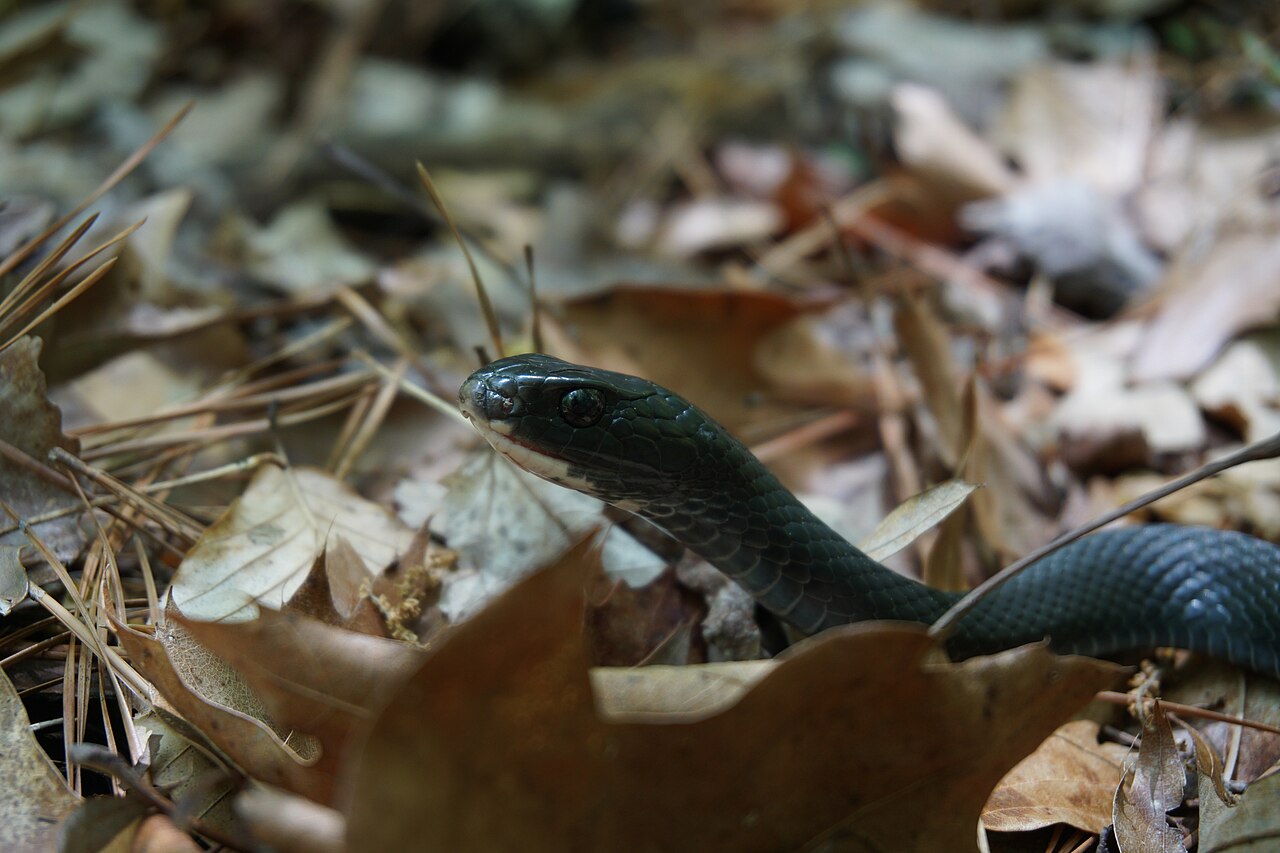
Photo: Jasper Shide via Wikimedia Commons · CC0
Jun 1, 2026•6 min read
Snake poop identification helps you confirm a snake is around before you ever see one. Here is what snake droppings look like, how to tell them from lizard and bird scat, and what they reveal about what is living near your home.
snake poop identificationwhat does snake poop look likesnake droppingssigns of snakes in yard
Read PostPhoto: Ltshears via Wikimedia Commons · Public domain
May 30, 2026•6 min read
Are snakes active at night depends on the species, the season, and the temperature. Many snakes shift to nocturnal movement in hot weather, which changes how you should walk, light your yard, and react to an after-dark sighting.
are snakes active at nightdo snakes come out at nightnocturnal snakessnake activity at night
Read PostPhoto: USFWS Midwest Region via Wikimedia Commons · Public domain
May 30, 2026•6 min read
What smells do snakes hate is a popular search, but most scent-based repellents have weak evidence behind them. Here is what the research suggests, why habitat control beats smells, and how to focus on changes that actually reduce snake activity.
what smells do snakes hatesmells that keep snakes awaynatural snake repellenthow to repel snakes
Read PostPhoto: Snakyehw via Wikimedia Commons · CC0
May 30, 2026•6 min read
Are baby snakes venomous? If the species is venomous, its young hatch with working venom and fangs — they are not safer because they are small. Here is how to think about juvenile snakes, the myths to drop, and how to identify one without getting close.
are baby snakes venomousare baby snakes dangerousbaby snake identificationjuvenile snake venom
Read Post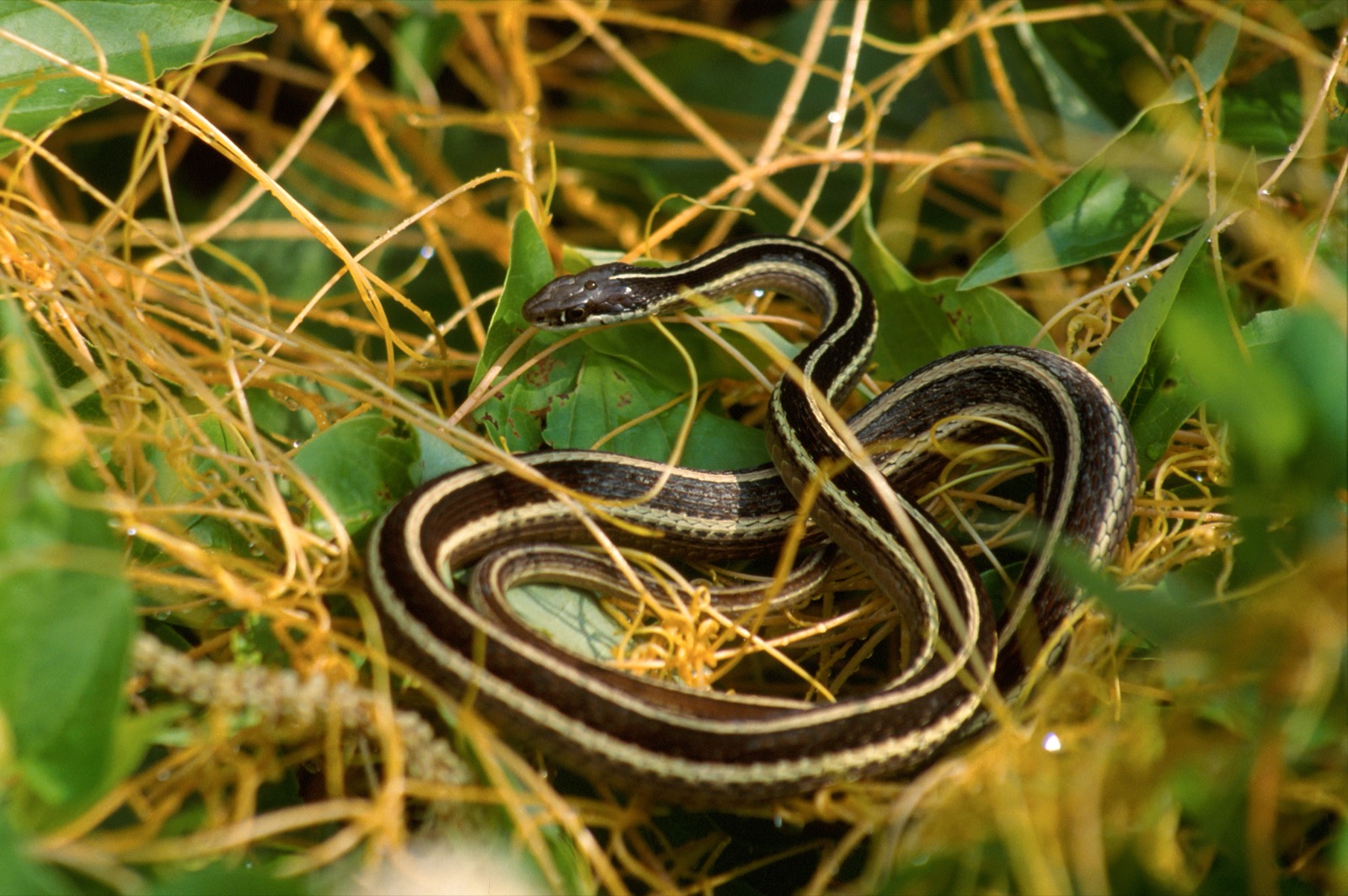
Photo: John J. Mosesso, NBII via Wikimedia Commons · Public domain
May 30, 2026•6 min read
Do snakes travel in pairs is usually the wrong question — most snakes are solitary, but good habitat can hold several at once. Here is what a single sighting actually tells you, when more snakes are likely nearby, and how to respond calmly.
do snakes travel in pairsif you see one snake are there moredo snakes live in groupssnake nest in yard
Read PostPhoto: USFWS Midwest Region via Wikimedia Commons · Public domain
May 29, 2026•8 min read
Snakes don't pick a yard at random. They follow food, water, and cover. Knowing the seven features that quietly invite them lets you make a property far less appealing without poisons, myths, or guesswork.
what attracts snakes to your yardwhy do I have snakes in my yardsnake prevention yardhow to make yard less attractive to snakes
Read Post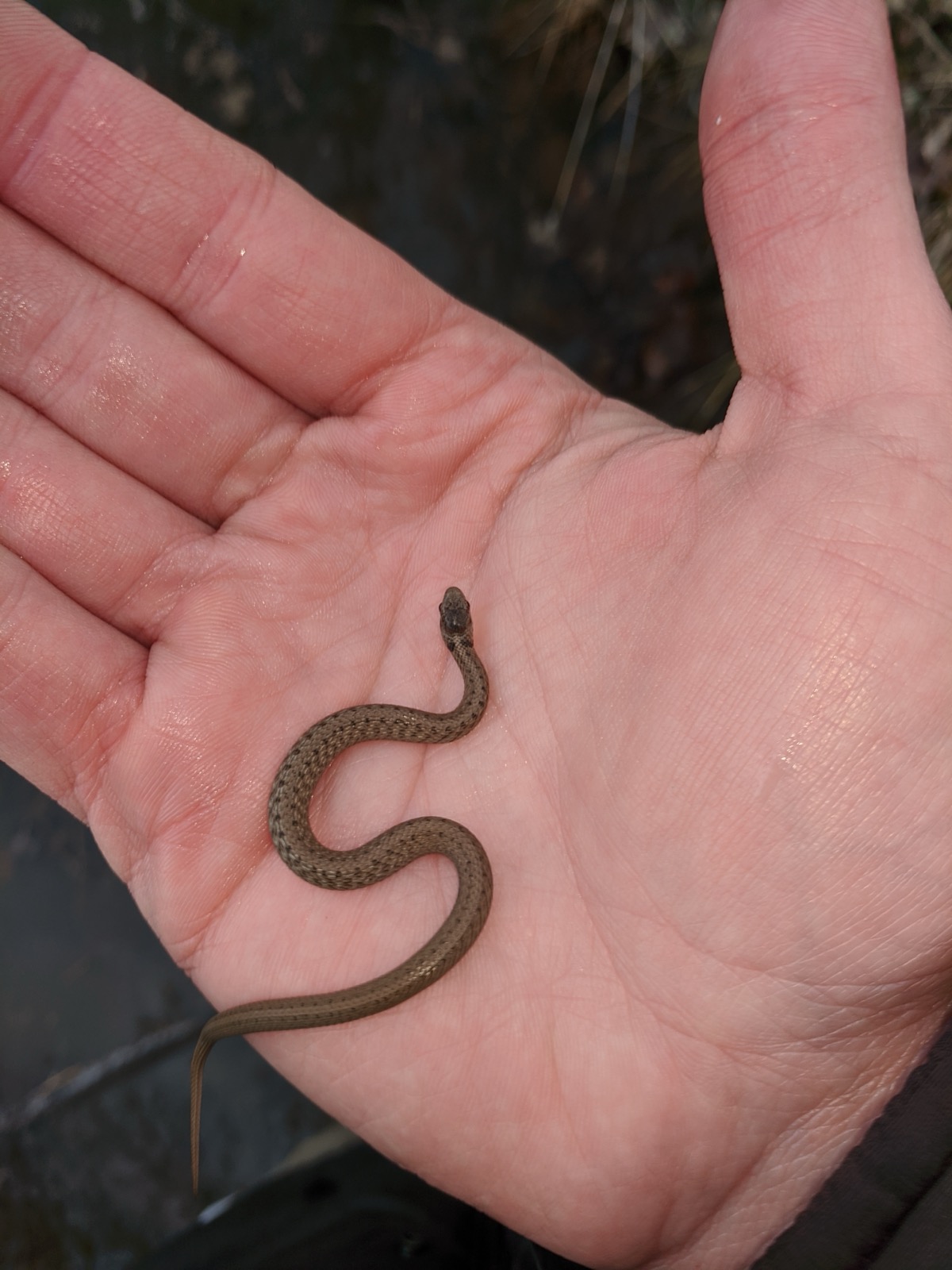
Photo: USFWS Mountain Prairie via Wikimedia Commons · Public domain
May 29, 2026•8 min read
Granular repellents, ultrasonic stakes, mothballs, and home remedies promise a snake-free yard. The evidence is far weaker than the marketing — here's what actually changes snake behavior and what just wastes money.
do snake repellents worksnake repellentwhat smells do snakes hatehow to keep snakes away
Read Post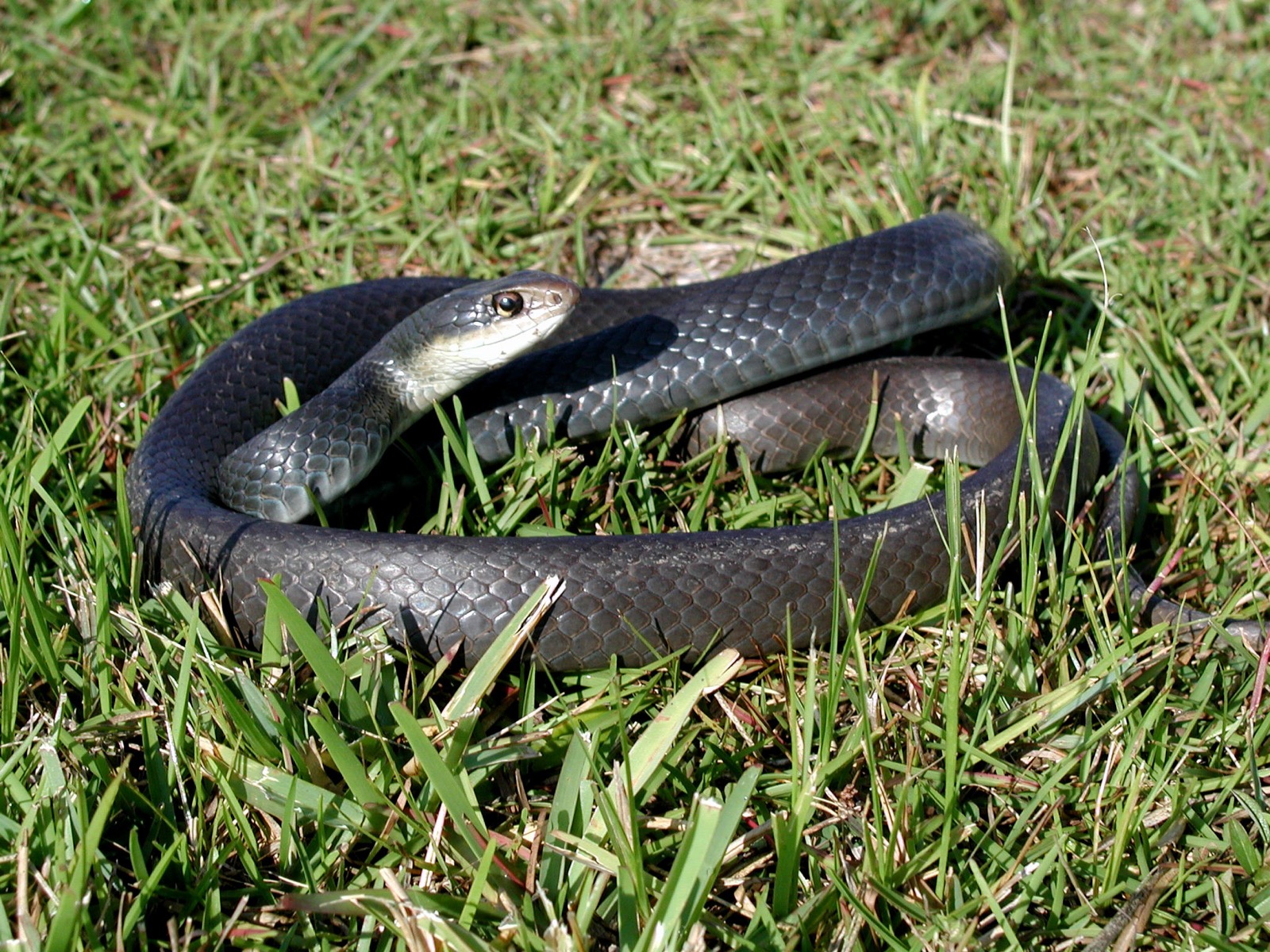
Photo: Everglades NPS via Wikimedia Commons · Public domain
May 29, 2026•7 min read
Stories of aggressive snakes chasing hikers are common and almost always wrong. What people read as a chase is usually a frightened snake heading for the nearest cover — which sometimes happens to be behind you. Here's what's really going on.
do snakes chase peopleare snakes aggressivesnake chased mesnake behavior myths
Read PostPhoto: Hannah Moran-Macdonald via Wikimedia Commons · CC0
May 29, 2026•7 min read
Snakes don't truly hibernate — they brumate, dropping into a low-energy state in sheltered dens. Knowing where they overwinter explains the surprise February sighting, the snake in the basement, and why spring emergence is so concentrated.
where do snakes go in winterdo snakes hibernatesnake brumationsnakes in winter
Read PostPhoto: Peter Paplanus via Wikimedia Commons · CC BY 2.0
May 28, 2026•7 min read
A snake bite on a dog is a time-critical emergency, and most owners lose minutes trying to find the snake or wash the wound. The early steps that actually change the outcome are smaller than people expect — and a few popular reactions make things worse.
snake bite on dog what to dodog bitten by snakesnake bite dog first aidsnake bite dog symptoms
Read Post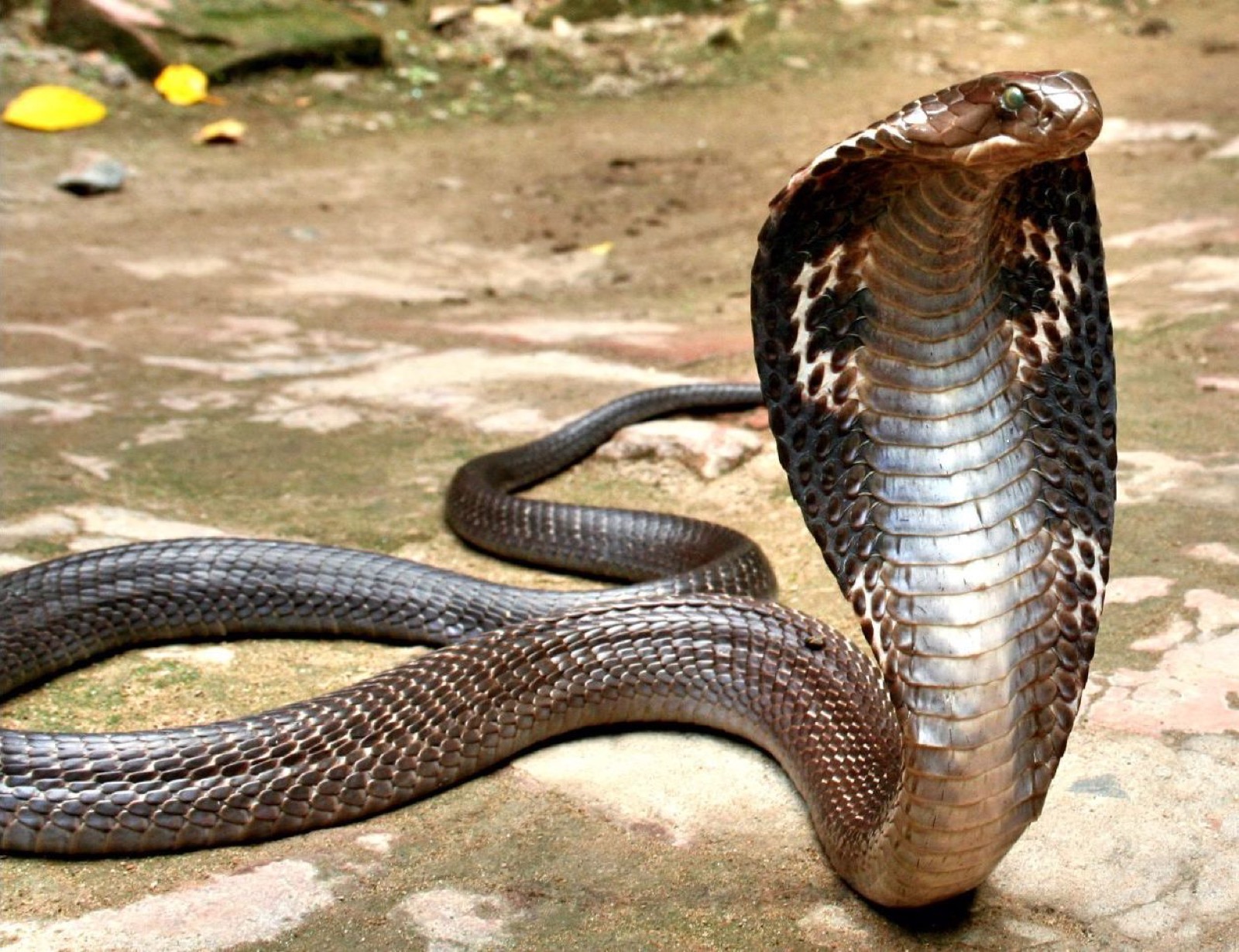
Photo: Scorius via Wikimedia Commons · CC BY 2.0
May 28, 2026•11 min read
Africa is home to several of the world's most medically significant snakes. Knowing the black mamba, puff adder, Cape cobra, boomslang, and a few regional standouts — and how to actually behave around them — is more useful than memorizing venom rankings.
africa dangerous snakesafrican snakesblack mambapuff addercape cobraboomslang
Read Post
Photo: National Park Service via Wikimedia Commons · Public domain
May 28, 2026•6 min read
A snake in the toilet is rare but real, and most reactions — flushing repeatedly, slamming the lid, reaching in with a tool — either trap the snake or make the encounter more dangerous. Slow the scene down and treat the bathroom like a confined wildlife space.
snake in toilet what to dosnake in toilet bowlsnake came up through toiletsnake in bathroom toilet
Read PostPhoto: M.Aurelius via Wikimedia Commons · CC0
May 28, 2026•7 min read
Snake activity rises and falls predictably with temperature and prey cycles. Knowing the peak weeks in your region helps you plan yard work, hikes, and pet routines around the highest-risk windows instead of guessing.
what time of year are snakes most activewhen are snakes most activesnake seasonsnake activity by month
Read PostPhoto: USFWS Pacific Southwest Region via Wikimedia Commons · CC BY 2.0
Apr 19, 2026•6 min read
Most snake prevention advice focuses on repellents that don't work. The real answer is removing the habitat conditions that make your property attractive in the first place — cover, prey, and warmth.
how to keep snakes away from housesnake repellent for yardhow to keep snakes out of yard
Read PostPhoto: Peter Paplanus via Wikimedia Commons · CC BY 2.0
Apr 19, 2026•6 min read
The steps you take immediately after a snake bite matter more than most people expect. Several common first aid myths — sucking out venom, cutting the wound, applying a tourniquet — can make the outcome worse.
snake bite first aidwhat to do if bitten by a snakevenomous snake bite treatment
Read PostPhoto: LA Dawson via Wikimedia Commons · CC BY-SA 2.5
Apr 19, 2026•6 min read
Baby snakes are harder to identify than adults because juvenile patterns often differ from the adult form. The dangerous assumption is that small means safe — several venomous species are fully capable of envenomation from birth.
how to identify baby snakebaby snake identificationis baby snake venomous
Read PostPhoto: M.Aurelius via Wikimedia Commons · CC0
Apr 19, 2026•5 min read
Snake eggs in the yard trigger immediate reactions that often make the situation worse. Before you disturb the clutch, understand what the eggs tell you about the species, the timeline, and the risk — if any.
snake eggs in yard what to dosnake eggs identificationfound snake eggs in garden
Read PostPhoto: M.Aurelius via Wikimedia Commons · CC0
Apr 14, 2026•6 min read
A snake in the compost bin is usually using warmth, moisture, and prey activity as temporary cover. Stop blind reaches, keep the lid movement slow, and treat the whole bin area like hidden habitat.
snake in compost bin what to dosnake in compost pilesnake in garden compost
Read PostPhoto: USFWS Midwest Region via Wikimedia Commons · Public domain
Apr 14, 2026•6 min read
A snake in a raised garden bed is often using mulch, irrigation moisture, and plant cover as temporary shelter. Slow down the cleanup, protect your hands, and avoid turning dense cover into a close-range surprise.
snake in raised garden bed what to dosnake in garden bedsnake in vegetable garden
Read PostPhoto: Everglades NPS via Wikimedia Commons · Public domain
Apr 14, 2026•5 min read
A snake on the porch after dark often follows insects, warmth, cover, or prey around entry lights and planters. Use distance, better lighting, and a slow first response instead of turning the doorway into a rushed encounter.
snake on front porch at nightsnake by front doorsnake on porch what to do
Read PostPhoto: USFWS Mountain Prairie via Wikimedia Commons · Public domain
Apr 14, 2026•6 min read
A snake around an outdoor air conditioner may be using shade, vibration-free cover, or prey activity near the slab. Keep hands out of blind gaps, avoid surprising the animal behind the unit, and inspect from a safe angle first.
snake in outdoor ac unit what to dosnake behind air conditionersnake near hvac unit
Read PostPhoto: M.Aurelius via Wikimedia Commons · CC0
Apr 13, 2026•6 min read
A snake in the firewood pile is usually using rodent activity, shade, or narrow gaps between logs as temporary cover. Stop blind grabs, keep feet back from the stack, and treat the whole pile like hidden habitat.
snake in firewood pile what to dosnake in wood pilesnake in stacked logs
Read PostPhoto: National Park Service via Wikimedia Commons · Public domain
Apr 13, 2026•6 min read
A snake in the drain pipe may be using cool moisture, prey traffic, or the pipe as a temporary escape route. Do not probe the opening by hand or blast water into a confined space you cannot see through.
snake in drain pipe what to dosnake in culvert pipesnake in yard drain
Read PostPhoto: USFWS Midwest Region via Wikimedia Commons · Public domain
Apr 13, 2026•5 min read
A snake in the playhouse is usually using shade, clutter, or the quiet floor space as temporary cover rather than targeting children. Keep kids out, avoid blind reaches under toys and benches, and control the scene first.
snake in playhouse what to dosnake in kids playhousesnake in backyard playhouse
Read PostPhoto: Everglades NPS via Wikimedia Commons · Public domain
Apr 13, 2026•5 min read
A snake in the gazebo often arrived through nearby landscaping, furniture cover, or shaded structural gaps. Slow the inspection down, keep hands off cushions and decor, and treat the whole seating area like concealed cover.
snake in gazebo what to dosnake in outdoor pavilionsnake in patio gazebo
Read PostPhoto: National Park Service via Wikimedia Commons · Public domain
Apr 12, 2026•6 min read
A snake in the pool skimmer is usually following water, prey, or an escape route and can end up trapped in a tight space. Stop blind reaches, secure the pool area, and treat the skimmer like confined wildlife handling.
snake in pool skimmer what to dosnake in skimmer basketsnake in pool filter area
Read PostPhoto: Everglades NPS via Wikimedia Commons · Public domain
Apr 12, 2026•5 min read
A snake in the trash can usually ended up there while hunting shelter, rodents, or a cool shaded pocket around the bin. Do not tip the container blindly or grab the bag by hand from above.
snake in trash can what to dosnake in garbage cansnake in outdoor bin
Read PostPhoto: M.Aurelius via Wikimedia Commons · CC0
Apr 12, 2026•6 min read
A snake in an air vent or floor register usually means there is an entry path through crawl space, utility gaps, or exterior penetrations. Stop removing vent covers by hand and slow the scene down.
snake in air vent what to dosnake in floor ventsnake in duct vent
Read PostPhoto: USFWS Midwest Region via Wikimedia Commons · Public domain
Apr 12, 2026•5 min read
A snake in the dog house is usually using shade, bedding, or nearby prey activity rather than targeting the pet itself. Keep the dog away, avoid blind reaches, and treat the shelter like a hidden cavity.
snake in dog house what to dosnake in pet housesnake near dog shelter
Read PostPhoto: Everglades NPS via Wikimedia Commons · Public domain
Apr 11, 2026•6 min read
A snake in the grill is usually using shade, residual warmth, or the protected cabinet below as temporary cover. Stop blind reaches, keep the lid movement slow, and treat the whole setup like a sheltered wildlife space.
snake in grill what to dosnake in barbecue grillsnake under grill
Read PostPhoto: National Park Service via Wikimedia Commons · Public domain
Apr 11, 2026•6 min read
A snake in the boat usually arrived from shoreline cover, dock lines, gear piles, or a recent launch stop rather than appearing out of nowhere on open water. Keep balance, stop blind grabs, and clear the deck in a controlled way.
snake in boat what to dosnake on my boatsnake in jon boat
Read PostPhoto: M.Aurelius via Wikimedia Commons · CC0
Apr 11, 2026•6 min read
A snake in the kitchen usually points to an entry gap, prey source, or nearby shelter rather than a random appearance in the middle of the house. Close off the room, avoid appliance blind spots, and slow the encounter down.
snake in kitchen what to dosnake in my kitchensnake under kitchen cabinet
Read PostPhoto: USFWS Mountain Prairie via Wikimedia Commons · Public domain
Apr 11, 2026•5 min read
A snake in a flower pot is often sheltering in cool soil, under the rim, or behind grouped containers where moisture and insects collect. Pause the gardening routine, keep fingers out of hidden gaps, and treat clustered planters like micro-habitat.
snake in flower pot what to dosnake in plantersnake under potted plant
Read PostPhoto: Gannavarapu Narasimhamurti via Wikimedia Commons · CC0
Apr 10, 2026•9 min read
Step-by-step guide to identifying a snake by picture using a free app. What photo angles help, what details matter, and how to interpret confidence-based results before getting close.
identify snake by picturesnake identifier by picturesnake identificationfree snake identifier app
Read PostPhoto: Everglades NPS via Wikimedia Commons · Public domain
Apr 10, 2026•6 min read
A snake in the car usually means the animal found temporary shelter, warmth, or an open door, not that it wants to stay near people. Stop safely, clear passengers, and avoid trying to pin it in a tight space.
snake in car what to dosnake in my carsnake inside vehicle
Read PostPhoto: Peter Paplanus via Wikimedia Commons · CC BY 2.0
Apr 10, 2026•5 min read
A snake in the mailbox is usually taking advantage of shade, warmth, or a protected hiding place during part of the day. Stop blind reaches, warn other household members, and handle the box like a confined wildlife space.
snake in mailbox what to dosnake in my mailboxmailbox snake
Read PostPhoto: Greg Hume via Wikimedia Commons · CC BY-SA 3.0
Apr 10, 2026•6 min read
A snake in mulch is often using cover, moisture, and prey-rich edges rather than actively holding territory in the yard. Slow down the work, stop blind hand placement, and treat the landscaping as habitat.
snake in mulch what to dosnake in mulch bedsnake in garden mulch
Read PostPhoto: M.Aurelius via Wikimedia Commons · CC0
Apr 10, 2026•6 min read
A snake in an RV or camper usually found shade, warmth, or a small entry gap during storage or travel stops. Keep distance, clear the interior methodically, and avoid turning compartments into blind reach zones.
snake in rv what to dosnake in campersnake in motorhome
Read PostPhoto: Gannavarapu Narasimhamurti via Wikimedia Commons · CC0
Apr 9, 2026•10 min read
A visual guide to the cues that hint a snake is venomous — head shape, pupils, scale patterns, tail markings — and why no single cue is reliable on its own.
is this snake venomousvenomous snake identificationsnake safetysnake visual guide
Read PostPhoto: M.Aurelius via Wikimedia Commons · CC0
Apr 9, 2026•6 min read
A snake in the attic usually points to heat, shelter, or rodent activity rather than aggressive behavior. Keep distance, avoid crawling after it, and fix the access route after the sighting.
snake in attic what to dosnake in atticsnake in roof space
Read PostPhoto: Everglades NPS via Wikimedia Commons · Public domain
Apr 9, 2026•5 min read
A shed snake is usually using shade, clutter, and prey access rather than targeting people. Slow the encounter down, avoid blind reaches, and make the shed less attractive after.
snake in shed what to dosnake in garden shedshed snake removal
Read PostPhoto: USFWS Mountain Prairie via Wikimedia Commons · Public domain
Apr 9, 2026•5 min read
A bathroom snake usually got inside through a gap, plumbing route, or nearby shelter, not because it prefers occupied rooms. Create space, contain people and pets, and avoid panic handling.
snake in bathroom what to dosnake in bathroomsnake in house bathroom
Read PostPhoto: National Park Service via Wikimedia Commons · Public domain
Apr 9, 2026•6 min read
A short patterned snake at the pond edge often triggers baby cottonmouth panic fast. Compare body thickness, pattern contrast, and shoreline behavior before trusting the first guess.
baby cottonmouth vs water snakejuvenile cottonmouth identificationsmall snake near pond
Read PostPhoto: Gannavarapu Narasimhamurti via Wikimedia Commons · CC0
Apr 8, 2026•8 min read
Evidence-based snake bite first aid: what helps, what wastes time, and the dangerous myths to ignore. Always treat any snakebite as a medical emergency.
snake bite first aidsnake bite treatmentwhat to do if bitten by a snakesnake safety
Read PostPhoto: USFWS Mountain Prairie via Wikimedia Commons · Public domain
Apr 8, 2026•5 min read
A basement snake usually points to cool shelter, prey, and an easy entry gap rather than aggressive behavior. Handle the sighting calmly, keep space around the animal, and fix the access problem after.
snake in basement what to dosnake in basementsnake in house basement
Read PostPhoto: M.Aurelius via Wikimedia Commons · CC0
Apr 8, 2026•6 min read
A snake in the crawl space is usually using shade, cover, and prey access, not targeting the house itself. Avoid crawling in for a closer check, keep the area quiet, and fix the habitat conditions after the sighting.
snake in crawl space what to dosnake under house crawl spacesnake in foundation area
Read PostPhoto: M.Aurelius via Wikimedia Commons · CC0
Apr 8, 2026•6 min read
A snake in the chicken coop usually follows eggs, rodents, or shelter rather than aggression toward people. Protect the flock, avoid forcing the snake into a defensive corner, and harden the coop after the encounter.
snake in chicken coop what to dosnake in chicken coopsnake eating eggs in coop
Read PostPhoto: Greg Hume via Wikimedia Commons · CC BY-SA 3.0
Apr 8, 2026•6 min read
A short thick-bodied snake can trigger baby rattlesnake or copperhead panic fast. Compare band structure, habitat, and body proportions before trusting a rushed guess.
baby rattlesnake vs copperheadjuvenile rattlesnake identificationsmall venomous snake comparison
Read PostPhoto: Gannavarapu Narasimhamurti via Wikimedia Commons · CC0
Apr 7, 2026•11 min read
Australia's most dangerous snakes ranked by venom toxicity, encounter likelihood, and bite outcomes — including the Big Three (eastern brown, tiger, taipan) and lesser-known killers.
australia dangerous snakesaustralian snakeseastern brown snaketiger snaketaipan
Read PostPhoto: Everglades NPS via Wikimedia Commons · Public domain
Apr 7, 2026•6 min read
People hope one black snake means fewer copperheads, but the real answer is habitat overlap, prey pressure, and chance. Use this myth carefully instead of treating it like guaranteed protection.
do black snakes keep copperheads awayblack snake and copperhead mythblack snake in yard meaning
Read PostPhoto: Brian Gratwicke via Wikimedia Commons · CC BY 2.0
Apr 7, 2026•6 min read
Kingsnakes and copperheads can both show brown tones and bold markings in leaf litter. Compare chain-like pattern logic, body proportions, and scene context before escalating the encounter.
kingsnake vs copperheadhow to tell a kingsnake from a copperheadpatterned snake in backyard
Read PostPhoto: National Park Service via Wikimedia Commons · Public domain
Apr 7, 2026•6 min read
A small patterned snake near a creek or pool edge often triggers baby copperhead fear. Use band shape, habitat clues, and body build to separate juvenile copperheads from young water snakes.
baby copperhead vs water snakesmall snake near water identificationjuvenile copperhead lookalike
Read PostPhoto: M.Aurelius via Wikimedia Commons · CC0
Apr 7, 2026•5 min read
A snake under the porch usually points to shade, cover, and prey rather than a random attack zone. Handle the sighting calmly, create space, and fix the conditions that made the porch attractive.
snake under porch what to dosnake under deck or porchsnake hiding under porch
Read PostPhoto: Gannavarapu Narasimhamurti via Wikimedia Commons · CC0
Apr 6, 2026•11 min read
India's 'Big Four' — Indian cobra, common krait, Russell's viper, and saw-scaled viper — cause most snakebite deaths in the country. Here is how to recognise each.
india big four snakesindian cobracommon kraitrussell's vipersaw-scaled viper
Read PostPhoto: National Park Service via Wikimedia Commons · Public domain
Apr 6, 2026•6 min read
Corn snakes still trigger copperhead panic when the body looks reddish in bad light. Compare blotch rhythm, crossband shape, and full-body build before forcing a dangerous guess.
corn snake vs copperheadhow to tell a corn snake from a copperheadreddish snake in yard
Read PostPhoto: Everglades NPS via Wikimedia Commons · Public domain
Apr 6, 2026•5 min read
A dark fast snake in the yard is more likely to trigger panic than careful observation. Use build, movement, and pattern visibility to separate black racers from copperheads.
black racer vs copperheaddark snake vs copperheadblack snake in yard
Read PostPhoto: M.Aurelius via Wikimedia Commons · CC0
Apr 6, 2026•5 min read
A garage snake usually points to shelter, gaps, or rodent activity more than a random invasion. Use a calm first response and fix the attractors after the sighting.
snake in garagesnake in garage what to dogarage snake removal
Read PostPhoto: National Park Service via Wikimedia Commons · Public domain
Apr 6, 2026•5 min read
A snake in the pool is usually trying to escape, cross, or rest, not attack swimmers. Use distance, an exit route, and one clear photo instead of panic handling.
snake in poolsnake in swimming poolwhat to do if a snake is in the pool
Read Post
Photo: Peter Paplanus via Wikimedia Commons · CC BY 2.0
Apr 5, 2026•6 min read
Bullsnakes trigger rattlesnake panic in dry yards, trails, and ranch edges. Compare body build, blotch rhythm, and defensive bluffing before assuming venomous.
bullsnake vs rattlesnakehow to tell a bullsnake from a rattlesnakerattlesnake lookalike
Read PostPhoto: National Park Service via Wikimedia Commons · Public domain
Apr 5, 2026•6 min read
A brown patterned snake near moisture does not automatically mean copperhead. Use habitat, body thickness, and band structure to sort water snakes from vipers.
water snake vs copperheadsnake by creek identificationbrown snake near water
Read PostPhoto: USFWS Pacific Southwest Region via Wikimedia Commons · Public domain
Apr 5, 2026•5 min read
Striped harmless snakes still get mistaken for copperheads in bad light and thick mulch. Compare stripe logic, body build, and movement before escalating the encounter.
garter snake vs copperheadstriped snake vs copperheadsnake in mulch bed
Read PostPhoto: USFWS Mountain Prairie via Wikimedia Commons · Public domain
Apr 5, 2026•5 min read
A tiny brown snake indoors usually points to shelter gaps and moisture, not instant danger. Learn when it is likely a harmless brown snake and when caution still matters.
little brown snake in housesmall brown snake indoorsdekays brown snake in house
Read PostPhoto: Ltshears via Wikimedia Commons · Public domain
Apr 4, 2026•6 min read
Cottonmouth vs copperhead confusion spikes near water, leaf litter, and shaded trails. Compare habitat, body pattern, and posture before forcing a dangerous guess.
cottonmouth vs copperheadcopperhead vs cottonmouthhow to tell a cottonmouth from a copperhead
Read PostPhoto: M.Aurelius via Wikimedia Commons · CC0
Apr 4, 2026•6 min read
A long patterned snake near the shed or fence line is often misread as copperhead. Use body shape, pattern rhythm, and climbing behavior to separate the two.
rat snake vs copperheadhow to tell a rat snake from a copperheadsnake by shed identification
Read PostPhoto: Everglades NPS via Wikimedia Commons · Public domain
Apr 4, 2026•5 min read
Most so-called snake holes were dug by something else first. Learn what actually points to rodent burrows, reused shelter, or a low-confidence guess from the surface.
snake hole in yardsnake hole vs rodent holedo snakes dig holes
Read PostPhoto: M.Aurelius via Wikimedia Commons · CC0
Apr 4, 2026•5 min read
Some snakes, especially hognose snakes, bluff dramatically. Use distance, context, and visible cues instead of nudging the animal to find out.
how to tell if a snake is deadsnake playing deadhognose playing dead
Read PostPhoto: Hannah Moran-Macdonald via Wikimedia Commons · CC0
Apr 3, 2026•6 min read
Milk snakes trigger copperhead panic all the time. Compare band shape, color rhythm, and body build before treating a harmless lookalike like a viper.
milk snake vs copperheadbaby copperhead lookalikehow to tell a milk snake from a copperhead
Read PostPhoto: John J. Mosesso, NBII via Wikimedia Commons · Public domain
Apr 3, 2026•6 min read
Both are slim striped snakes, and both are often called the same thing in the yard. Use body proportions, stripe placement, and habitat context to separate them.
garter snake vs ribbon snakeribbon snake identificationstriped snake in yard
Read PostPhoto: Keith Ramos, USFWS via Wikimedia Commons · Public domain
Apr 3, 2026•6 min read
Kingsnakes can look bold enough to trigger rattlesnake fear. Use body pattern, texture, and movement cues before betting everything on the tail.
kingsnake vs rattlesnakehow to identify a rattlesnakesnake lookalike guide
Read PostPhoto: Hecssss via Wikimedia Commons · CC0
Apr 3, 2026•5 min read
Coachwhips move fast and can look intense in dry country. Compare body length, taper, and pattern fade before assuming rattlesnake.
coachwhip vs rattlesnakecoachwhip snake identificationlong snake in yard
Read PostPhoto: Peter Paplanus via Wikimedia Commons · CC BY 2.0
Apr 2, 2026•6 min read
If you spotted a short, thick-patterned snake on a trail or near the house, compare tail cues, pattern rhythm, and body posture before assuming it is a baby rattlesnake.
baby rattlesnake vs bullsnakehow to identify a baby rattlesnakebullsnake lookalike
Read PostPhoto: Snakyehw via Wikimedia Commons · CC0
Apr 2, 2026•5 min read
A tiny snake in the yard does not automatically mean a nest under the house. Learn what hatchling sightings actually suggest before tearing up mulch or stone borders.
do baby snakes mean a nest nearbybaby snake in yard meaningsnake nest near house
Read PostPhoto: Brian.gratwicke via Wikimedia Commons · CC BY 3.0
Apr 2, 2026•5 min read
Most people who search this want to know whether a small dark snake with a colored ring is an emergency. Here is the field-safe answer and what to verify.
are ring-necked snakes venomousring-necked snake safetysmall black snake with yellow ring
Read PostPhoto: M.Aurelius via Wikimedia Commons · CC0
Apr 2, 2026•6 min read
Eastern hognose snakes can flatten, hiss, and look dramatic. Compare body pattern, snout shape, and overall build before assuming copperhead.
hognose snake vs copperheadeastern hognose identificationcopperhead lookalike
Read PostPhoto: USFWS Mountain Prairie via Wikimedia Commons · Public domain
Apr 1, 2026•6 min read
If you found a small brown snake in the yard, compare pattern shape, body build, and behavior before assuming it is a baby copperhead.
brown snake vs copperheadbaby copperhead lookalikesmall brown snake in yard
Read PostPhoto: Everglades NPS via Wikimedia Commons · Public domain
Apr 1, 2026•7 min read
Many people search for black snake identification when they really mean racer vs rat snake. Use posture, scaling, and body length instead of one blurry head shot.
black snake identificationblack racer vs rat snakeblack snake in yard
Read PostPhoto: M.Aurelius via Wikimedia Commons · CC0
Apr 1, 2026•6 min read
Yes, some snakes climb far better than people expect. The real question is which surfaces, which species, and what that means around a house or garden.
can snakes climb wallscan snakes climb treessnake on house wall
Read PostPhoto: Gannavarapu Narasimhamurti via Wikimedia Commons · CC0
Apr 1, 2026•5 min read
Finding shed snake skin does not automatically mean danger, but it does tell you a snake used the area recently. Here is how to inspect the scene without escalating risk.
shed snake skin in yardsnake skin identificationwhat does snake skin in yard mean
Read PostPhoto: Ltshears via Wikimedia Commons · Public domain
Mar 31, 2026•6 min read
Learn the safest way to compare baby copperhead patterns, tail color, and body shape without moving closer or relying on myths.
baby copperhead vs corn snakehow to identify a baby copperheadsnake safety
Read PostPhoto: U.S. Fish and Wildlife Service via Wikimedia Commons · Public domain
Mar 31, 2026•6 min read
Color-band rhymes are not enough. Compare full band order, geography, and confidence before deciding whether a striped snake is harmless.
coral snake vs kingsnakered touches yellowvenomous snake guide
Read PostPhoto: National Park Service via Wikimedia Commons · Public domain
Mar 31, 2026•7 min read
Many harmless water snakes are mistaken for cottonmouths. Use broader field markers instead of one scary headshot or one rumor.
water snake vs cottonmouthcottonmouth identificationsnake by the water
Read PostPhoto: USFWS Pacific Southwest Region via Wikimedia Commons · Public domain
Mar 31, 2026•5 min read
Most people searching this question want a practical answer, not a taxonomy debate. Here is what matters if you find a garter snake near home or on a trail.
are garter snakes venomousgarter snake safetycommon backyard snakes
Read PostPhoto: Greg Hume via Wikimedia Commons · CC BY-SA 3.0
Mar 15, 2026•5 min read
Use distance, pattern zones, and body posture to reduce bad guesses when a rattlesnake appears on a trail or roadside.
rattlesnake identificationsnake safetytrail encounters
Read PostPhoto: Scorius via Wikimedia Commons · CC BY 2.0
Mar 14, 2026•4 min read
A calm first scan of size, movement, cover, and escape routes often tells you more than rushing toward the snake with a phone.
snake in yardbackyard safetyvenomous or not
Read PostPhoto: National Park Service via Wikimedia Commons · Public domain
Mar 13, 2026•6 min read
At dusk, image quality drops fast. These framing choices help preserve pattern, scale texture, and contrast without forcing a closer shot.
low lightsnake photo tipsfield workflow
Read PostPhoto: Tigerpython via Wikimedia Commons · CC BY-SA 4.0
Mar 12, 2026•5 min read
The strongest outdoor workflow is not scan once and move on. It is compare, learn the markers, and understand what uncertainty actually means.
snake guidespecies markersconfidence reasoning
Read Post