


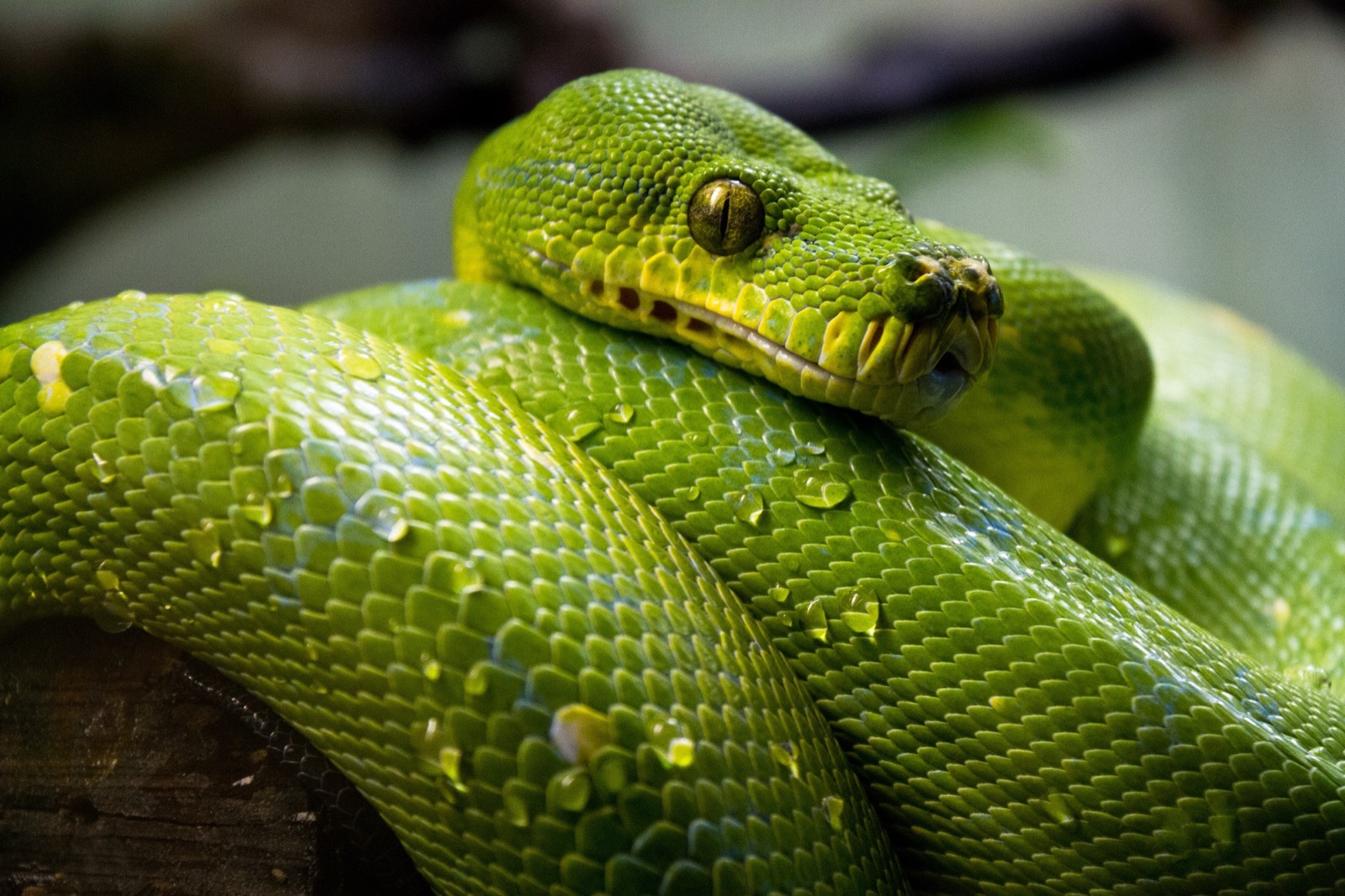
A useful snake identifier does more than return a species guess. The real value appears when you compare the top match with the next alternatives and understand why the app is leaning one way.
Look at the key markers first: bands, blotches, striping, body thickness, head shape, and habitat context. Those markers help you evaluate whether a result is stable or just plausible.
SerpentID's guide workflow is designed to slow the user down in a good way. If confidence is low, the correct behavior is not to argue with the app. It is to widen the safety margin and treat the scene as unresolved.
Over time, the guide becomes a pattern library. That is what makes the blog useful too: repeated exposure to real comparison logic leads to better judgment in the field.