

Searches for baby rattlesnake vs bullsnake usually happen after someone sees a short, boldly marked snake and immediately jumps to the most dangerous possibility. That reaction makes sense, but it also causes rushed identifications based on fear instead of stable field markers.
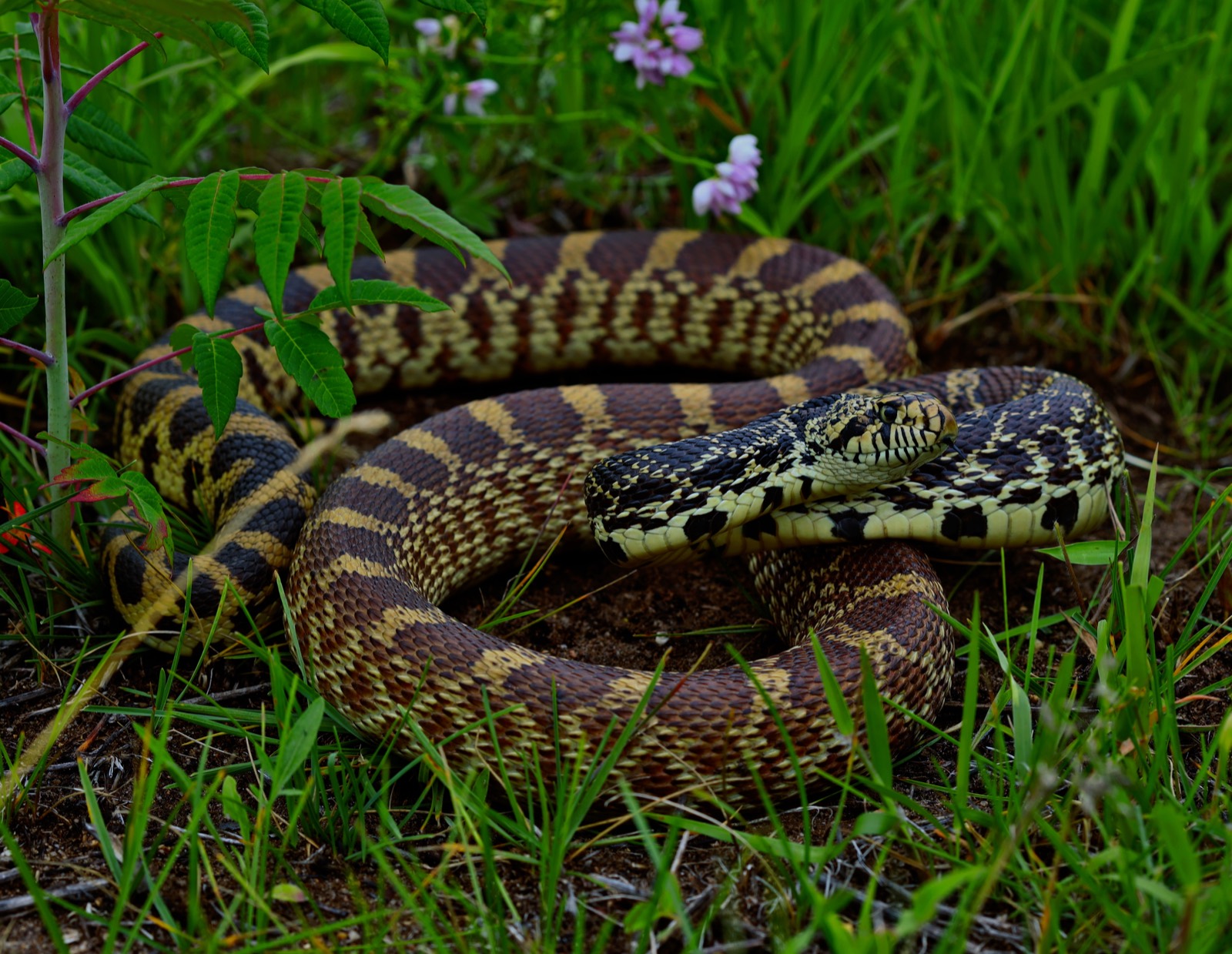
The first clue is the overall pattern rhythm. Juvenile rattlesnakes usually read as dark blotches or bands that stay organized down the back with a heavier, more compact look. Bullsnakes can look dramatic too, but they often appear longer, more elongated, and less compact through the body even when the markings are strong.
Tail interpretation causes a lot of mistakes. A baby rattlesnake may have only a tiny button instead of the loud rattle people expect, so tail certainty can be low from a photo. That is exactly why the safest workflow is not to chase the tail for proof. Compare body build, posture, and the full pattern first.
Bullsnakes are also famous for defensive behavior that can look more dangerous than it is. Hissing, flattening, and holding the body in a tense pose do not automatically mean rattlesnake. Mimicry and bluffing are part of why this search query stays popular.
If SerpentID narrows the result to rattlesnake or leaves the comparison unresolved, the practical decision is the same. Keep distance, stop pets or children from moving closer, and let a local wildlife professional handle the situation if the snake is in a high-traffic area.