


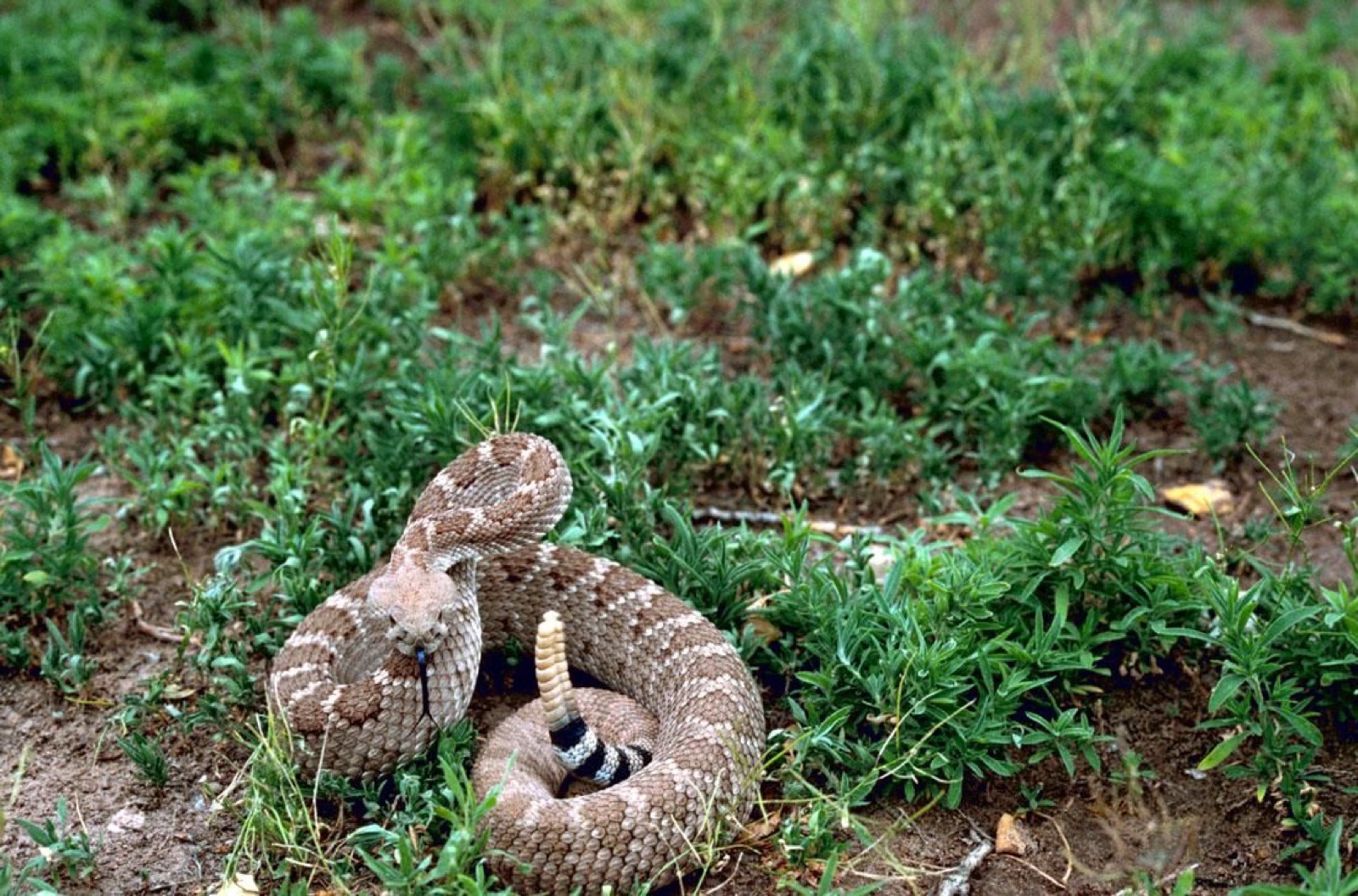
Snakes are one of nature's most adaptable creatures, thriving in an astonishing array of environments across nearly every continent, with Antarctica being the notable exception. From the scorching sands of the Sahara to the humid depths of the Amazon rainforest, and even the vast expanses of the open ocean, these legless reptiles have evolved unique characteristics that allow them to exploit diverse niches. Their presence in a particular area is largely determined by the availability of food, suitable hiding spots, and the right thermal conditions, as snakes are ectothermic and rely on external sources to regulate their body temperature.
Terrestrial environments represent the broadest range of snake habitats. In dense forests, snakes like tree boas and rat snakes expertly navigate branches and leaf litter, often blending seamlessly with their surroundings. Grasslands and savannas, home to species such as rattlesnakes and cobras, offer ample cover and a rich supply of rodent prey. Deserts, despite their harsh conditions, support unique snake populations like sidewinders and horned vipers, which have developed specialized movements and burrowing behaviors to cope with extreme temperatures and scarcity of water. The specific vegetation, soil type, and rock formations within these landscapes all play a critical role in determining which snake species can flourish.
Many snake species are highly adapted to aquatic life, inhabiting freshwater lakes, rivers, and swamps, while others have made the saltwater ocean their permanent home. Water snakes, like the North American water snakes or the Indian keelbacks, are excellent swimmers and divers, preying on fish and amphibians. They often bask on rocks or branches overhanging water, ready to drop in at the slightest disturbance. Sea snakes, a distinct group of venomous marine reptiles, spend their entire lives in the ocean, possessing flattened, paddle-like tails for efficient propulsion and specialized glands to excrete excess salt. Their presence highlights the incredible range of adaptations snakes have developed to master different aquatic environments.
For some snakes, the world exists primarily above ground, in the intricate canopy of trees and shrubs. These arboreal snakes, including species like the green tree python, emerald tree boa, and various vine snakes, exhibit remarkable agility and camouflage to move and hunt among branches. Their slender bodies, often vibrant green or brown, help them blend in with foliage, making them incredibly difficult to spot. They typically prey on birds, arboreal rodents, and lizards, using their strong prehensile tails to anchor themselves while striking. The complexity of arboreal habitats offers both abundant food resources and safe refuges from ground-dwelling predators.
Even human-modified landscapes, such as suburban yards, agricultural fields, and urban parks, can become suitable habitats for certain snake species. These areas often provide a consistent food supply, primarily rodents, as well as ample shelter in overgrown vegetation, rock piles, wood stacks, and even within human structures like sheds and foundations. Non-venomous species like garter snakes, rat snakes, and king snakes are frequently encountered in residential areas, drawn by the availability of prey and cover. While these encounters can be startling for humans, they are a testament to the snakes' ability to adapt and find resources even in close proximity to human activity.
Regardless of the specific environment, a snake's survival hinges on its ability to find three fundamental things: food, shelter, and appropriate temperatures. Food sources vary widely, from insects and slugs for smaller species to rodents, birds, and even other reptiles for larger predators. Shelter is crucial for protection from predators, harsh weather, and as a place to digest meals or shed skin. Because snakes are ectothermic, they constantly seek out microclimates—sunny spots for warming and shaded areas or burrows for cooling—to maintain their optimal body temperature, a process known as thermoregulation, which is vital for all their bodily functions.
Understanding the natural habitats and behaviors of snakes is key to coexisting safely with them. While a snake's presence in a particular environment is a natural part of the ecosystem, it's important to know how to react if you encounter one. Always observe snakes from a respectful distance and never attempt to approach, handle, or harm them. If you spot a snake and need to identify it, especially if you are unsure of its species or if it appears to be in an unexpected location, take a clear photograph from a safe distance. The SerpentID app can then help you compare its markings against likely local species, providing valuable information and guidance on whether to contact local wildlife services, particularly if the snake is venomous or in a sensitive area.