


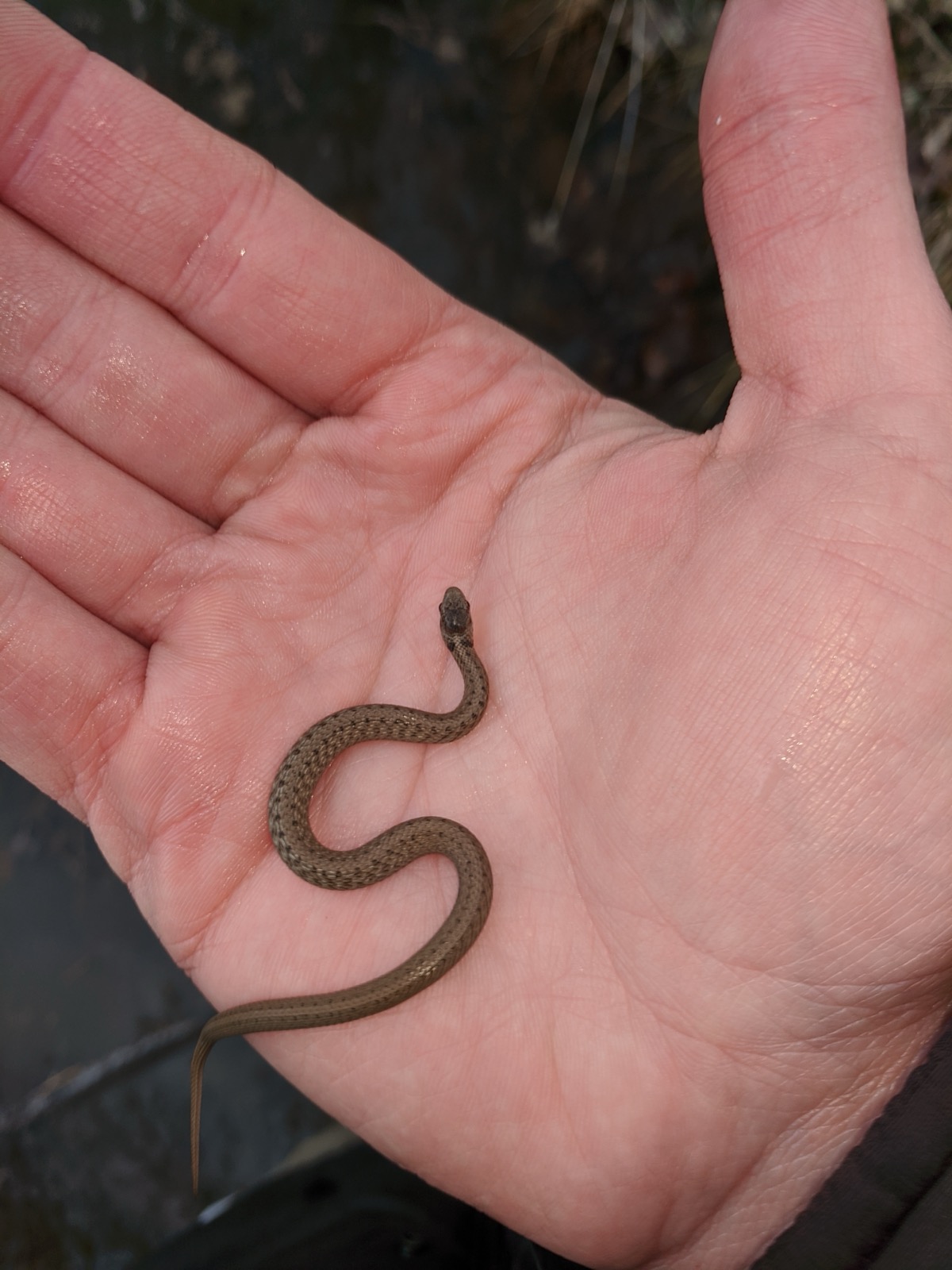
Snake in basement what to do is a high-intent search because the encounter feels close to living space and hard to monitor. A basement sighting often triggers the fear that the snake is nesting indoors or actively moving deeper into the house. Most of the time, the simpler explanation is shelter plus access: cool temperature, dark cover, insects or rodents, and a crack or gap that let the animal in.
The first move is distance, not heroics. Keep children and pets away from the room, avoid boxing the snake into a corner, and do not try to grab it with gloves, a bucket, or a broom just to prove control. If there is a safe exit path to a door or window well area, leaving the area quiet often resolves more than aggressive handling does.
Basements keep working for snakes because the conditions are stable. Foundation gaps, utility penetrations, floor drains, missing door sweeps, stacked storage, and rodent activity all increase the odds of a repeat encounter. One snake inside is usually a property-access problem, not random bad luck.
Identification still matters, but only from a safe distance. Take one stable photo that shows as much of the body as possible, plus the nearby setting. A rushed head crop in dim basement light usually creates more false certainty than useful signal.
SnakeSnap can help narrow whether the animal looks like a common low-risk visitor or something more serious, but the action stays conservative when the result is uncertain. Let the snake leave if possible, call local wildlife help if the app suggests a venomous species, and then close the loop by sealing gaps, reducing clutter, and addressing rodents.