


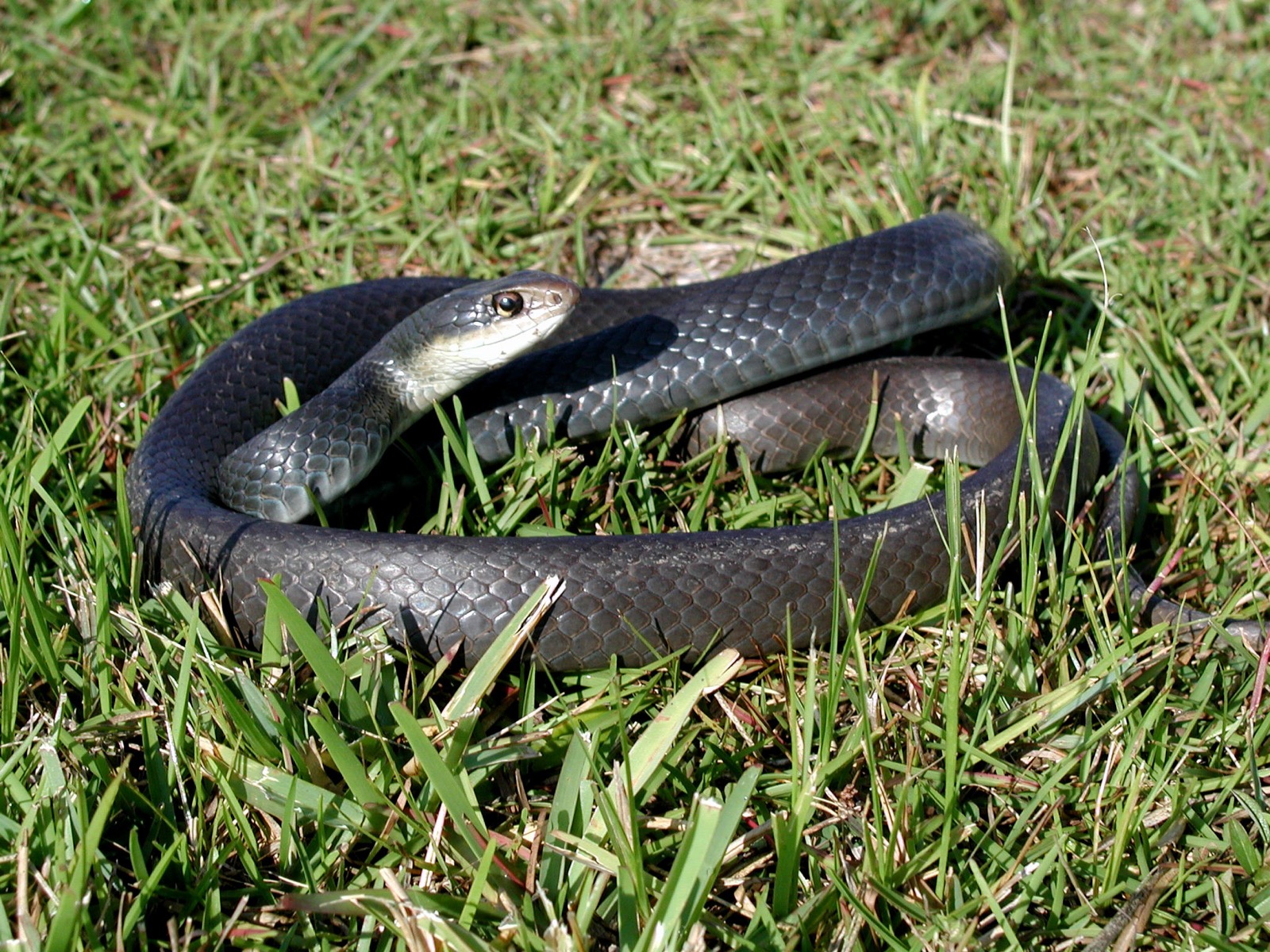
Snake in shed what to do is a practical homeowner search because sheds concentrate the exact things that make identification harder: stacked items, blind corners, rodent activity, and low visibility. A snake under a mower, behind fertilizer, or inside a pile of lumber feels much more urgent than one crossing the yard.
The safest first step is stopping blind hand placement. Do not reach behind tools, under tarps, or into corners where the snake can be touched before it is seen. Move children and pets away from the area and keep the shed door open only if that does not force you closer to the animal.
Sheds work for snakes because they hold shade, shelter, insect activity, and mice that feed on stored seed or pet food. That means one encounter is often a habitat signal, not random bad luck. Treat the shed like a systems problem instead of a one-snake drama.
If you have a safe line of sight, take one stable photo and back off. Full-body pattern and surrounding context are far more helpful than trying to poke the snake into the open for a head shot. Most mistakes happen when someone tries to improve the angle by moving clutter with their hands.
SnakeSnap is useful because it can narrow whether the snake looks like a common shed visitor such as a racer, rat snake, or another low-risk species. But if the app suggests a venomous match or confidence stays weak, do not improvise removal. Use local help, then tighten the shed with clutter reduction, feed storage, and gap repair.