


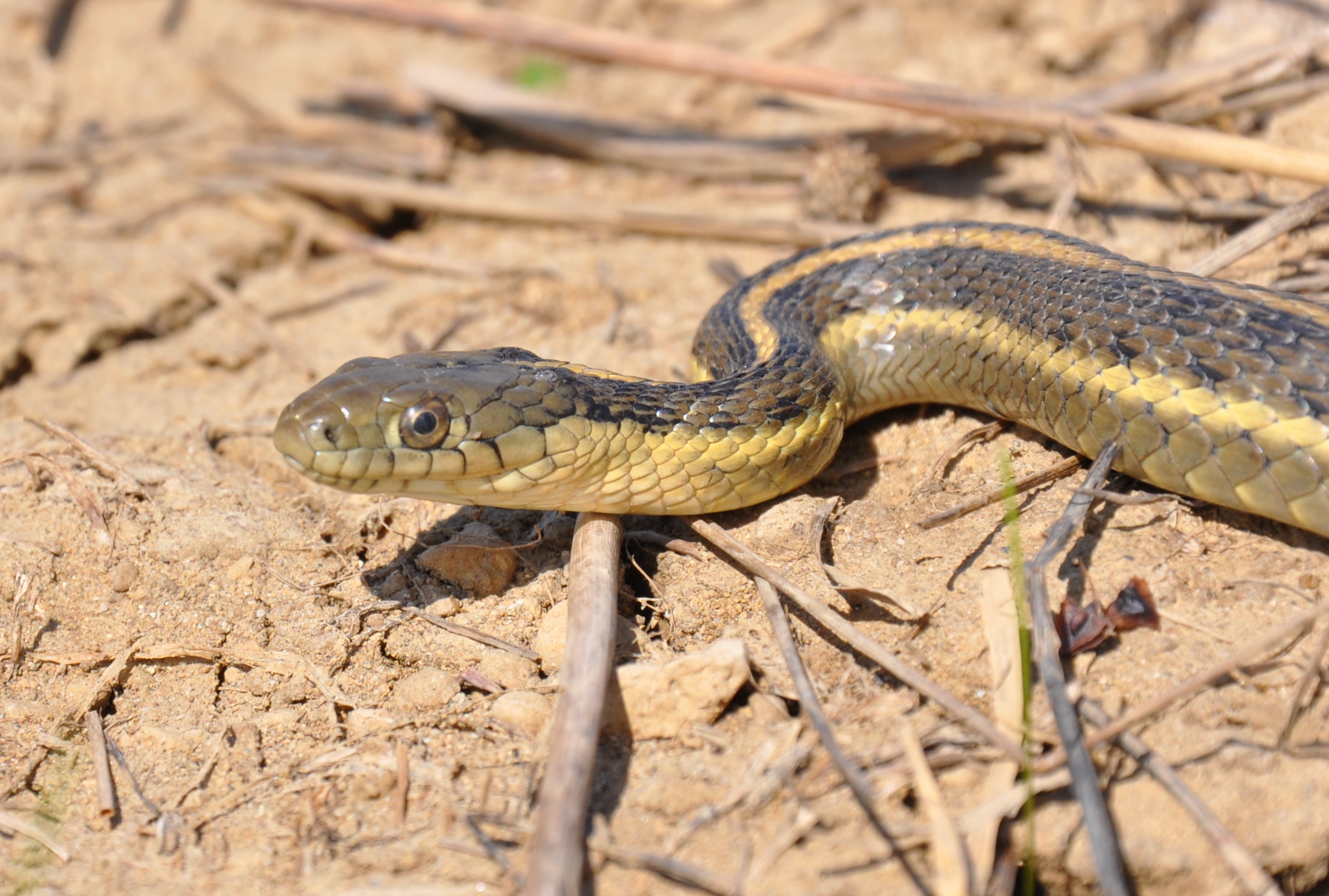
Snake in dog house what to do is an urgent search because people worry about the pet first and often rush into the small shelter without seeing where the snake actually is. Dog houses create exactly the kind of cover snakes use temporarily: shade, warmth cycling, bedding, and quiet corners near food or rodent activity. The first job is separating the pet from the shelter, not solving the species ID with your hands.
Move the dog away calmly and leash it or bring it indoors if possible. Do not reach into bedding, behind the entrance lip, or under the roof panel to check whether the snake is still there. If the dog house is lightweight, avoid kicking or flipping it abruptly because the snake may exit toward your legs or back under the structure.
Pet shelters can attract snakes indirectly. Water bowls, spilled food, rodents, insects, and thick landscaping around kennels all make the area more attractive. In many cases the dog house is just the darkest protected spot in a yard corner that already works as habitat.
If the snake is visible from outside the opening, take one clean photo and then stop. Full-body pattern against the shelter and ground context is more useful than pushing closer for the head. Avoid sending the dog back out to "see if it is gone" because pets escalate encounters unpredictably.
Snakenap can help narrow the match from a safe photo, but low confidence or any venomous possibility should keep the dog and household away from the area. If the snake disappears into bedding or under the base, use local wildlife help rather than turning the shelter into a close-quarters removal problem. Afterward, clean the area, raise the house slightly if appropriate, and reduce clutter or prey attractors around the kennel zone.