


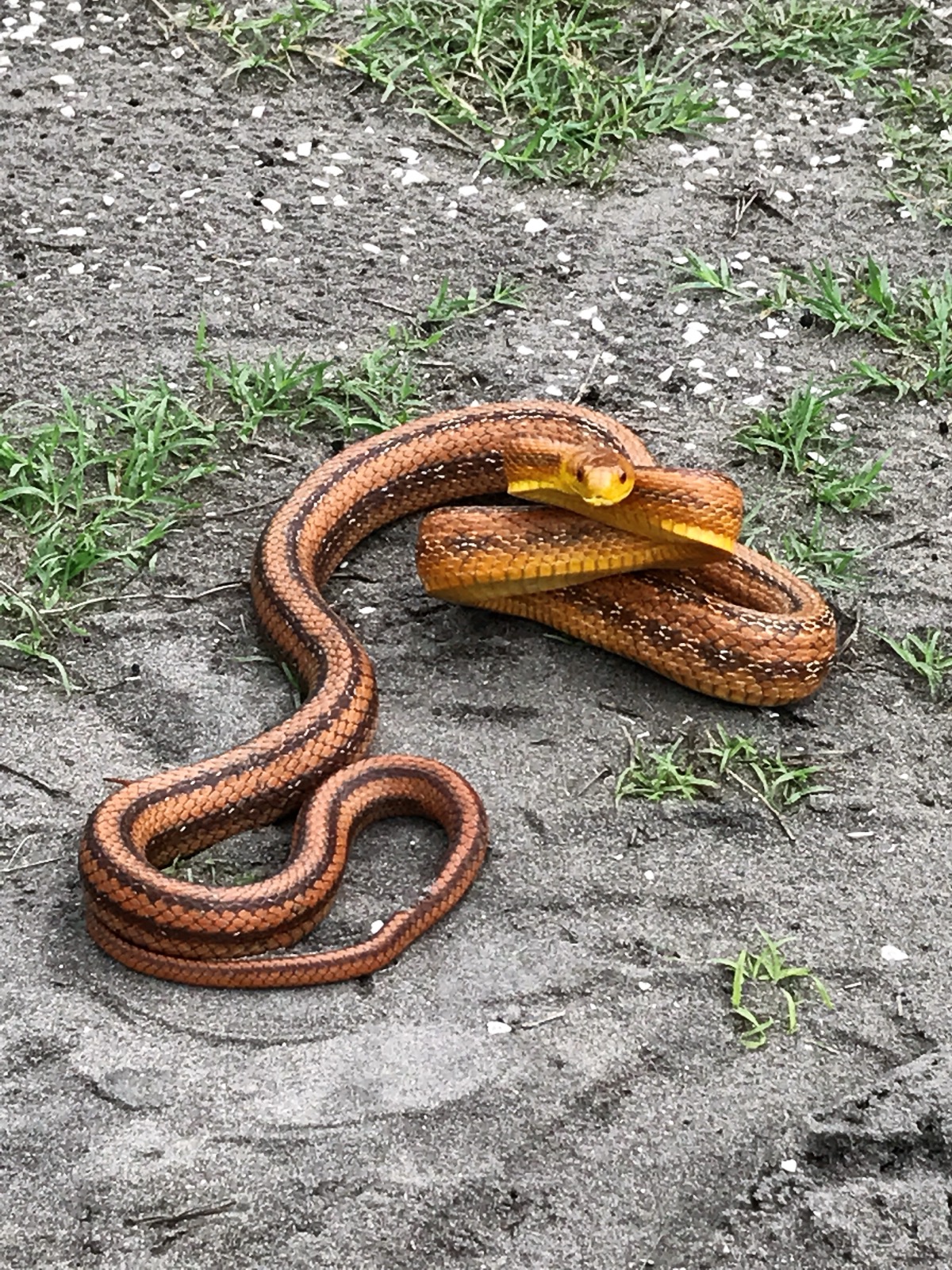
Snake in kitchen what to do is an especially stressful indoor search because kitchens mix narrow gaps, heavy appliances, pet food, and constant foot traffic. Once the snake slips behind a trash can, dishwasher, or kick plate, people feel pressure to solve the problem immediately. That urgency leads to the worst choice: reaching into a space before seeing exactly where the snake is.
Start by keeping everyone out of the room except one calm adult observer if needed. Close interior doors that limit where the snake can travel, but only if that can be done without getting closer to it. Do not pull the refrigerator forward, reach under lower cabinets, or start probing around the sink base with a broom.
A kitchen sighting often signals more than one isolated event. Gaps around pipes, door sweeps, utility penetrations, pantry clutter, and rodent activity can all draw a snake farther indoors than people expect. That is why the correct response is part immediate safety and part later inspection of how the animal got there.
If the snake remains visible, take one stable photo from a doorway or other fixed position. Full-body pattern and body build matter more than trying to capture the head from close range. If it disappears behind appliances or cabinetry, do not dismantle the room just to keep eyes on it.
Snakenap is useful when the photo is good enough to compare common nonvenomous indoor visitors with medically significant lookalikes, but a low-confidence result should increase caution. If the app suggests a venomous option or the snake is inaccessible in a way that still blocks normal kitchen use, contact local wildlife removal and inspect nearby entry points once the encounter ends.