


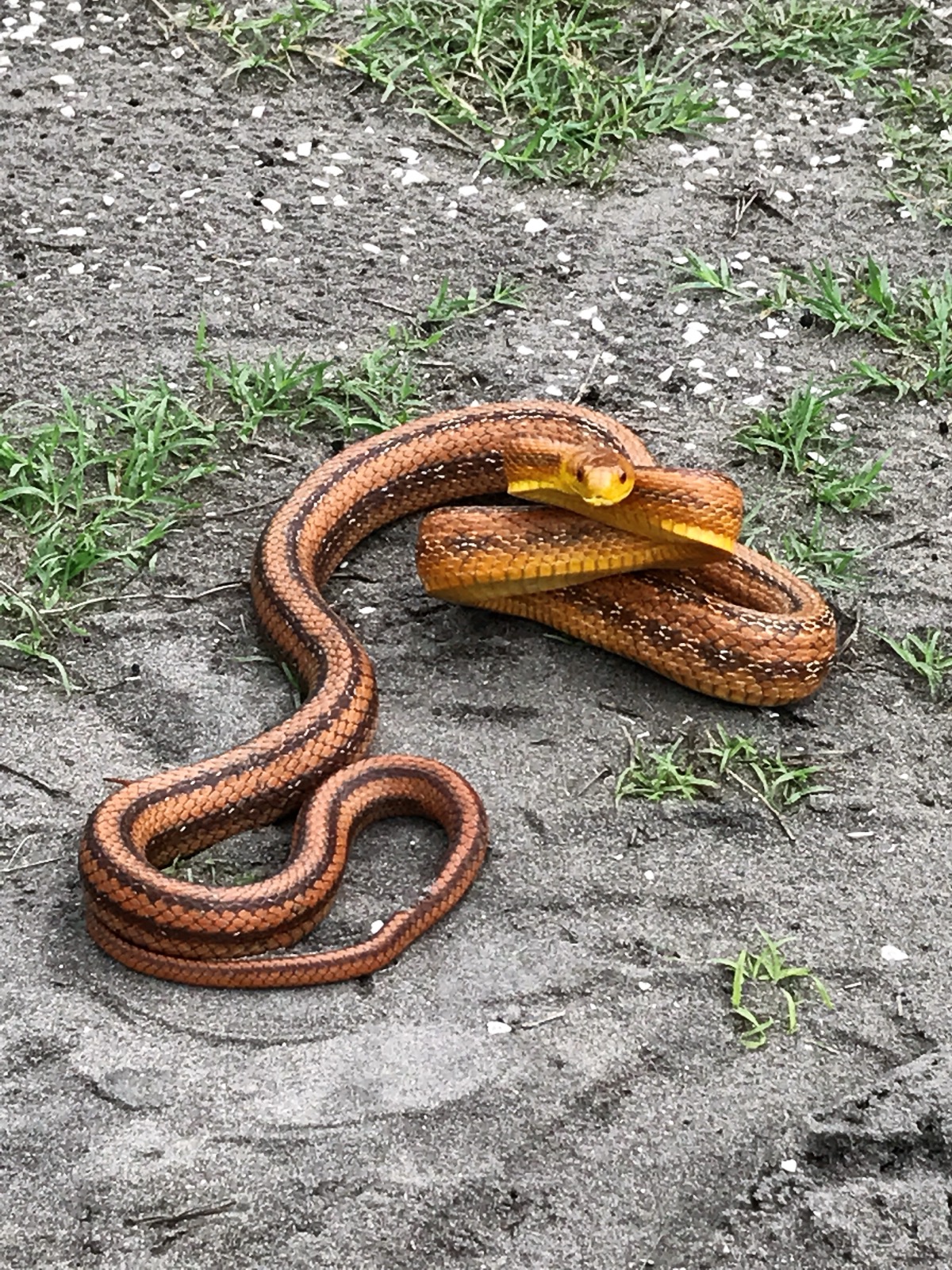
The defining feature of a snake, beyond its mesmerizing scales or flicking tongue, is its remarkable length and complete lack of limbs. This seemingly simple characteristic is, in fact, the result of millions of years of evolution, offering a suite of profound advantages that have allowed snakes to thrive in nearly every ecosystem on Earth. Instead of being a limitation, the elongated, legless body is a highly specialized adaptation, providing unparalleled flexibility and efficiency in navigating their world.
One of the most immediate benefits of a snake's form is its incredible versatility in locomotion. Without legs, snakes employ a variety of serpentine movements, utilizing their entire body to push off surfaces. This allows them to slither seamlessly through dense undergrowth, climb trees with surprising agility, burrow beneath the soil, and glide effortlessly through water. The hundreds of vertebrae and ribs, each connected by flexible muscles, create a dynamic system capable of propelling the snake across an astonishing array of terrains, from smooth sand to rough bark.
For a predator, the long, flexible body is an invaluable tool. Many snakes are constrictors, using their powerful bodies to coil around and subdue prey. The length allows for multiple points of contact and immense squeezing force, effectively incapacitating their meal. Even for venomous snakes, the elongated form aids in ambushing prey, allowing them to stretch and strike from a hidden position, or to pursue prey into tight burrows and crevices where a limbed animal might struggle to follow.
Beyond hunting, the snake's streamlined shape is excellent for defense and concealment. Their ability to flatten themselves, coil tightly, or stretch out thinly enables them to disappear into the smallest cracks, under rocks, or within dense foliage. This camouflage and capacity for hiding are crucial for avoiding predators, escaping danger, and regulating body temperature by seeking out shaded or sunny spots. The long body also allows for rapid changes in direction, helping them evade threats quickly.
Internally, the elongated body plan necessitates a unique arrangement of organs. Instead of a compact configuration, a snake's organs are stretched out linearly, often with one of a pair (like lungs or kidneys) being significantly reduced or entirely absent, while the other is greatly elongated. This adaptation ensures that all vital functions can be performed efficiently within the narrow confines of their body, demonstrating a holistic evolutionary commitment to their unique form.
Ultimately, the long, legless body of a snake is not a primitive trait but a highly successful evolutionary innovation. It has allowed them to exploit niches unavailable to other vertebrates, from the deepest burrows to the highest canopies, and to become incredibly efficient predators in their respective environments. This specialized form is a testament to the power of natural selection in shaping life to meet the demands of survival.
While understanding these fascinating adaptations helps us appreciate snakes, it's vital to remember that their unique forms also mean they can be incredibly good at hiding and moving silently. If you encounter a snake, whether in your yard or out in the field, always maintain a respectful distance. If you need help identifying it, take a clear photo from a safe vantage point and use an app like SerpentID to compare markings against local species. If it appears venomous or you are unsure, contact local wildlife services for assistance, and never attempt to handle or approach the snake yourself.