


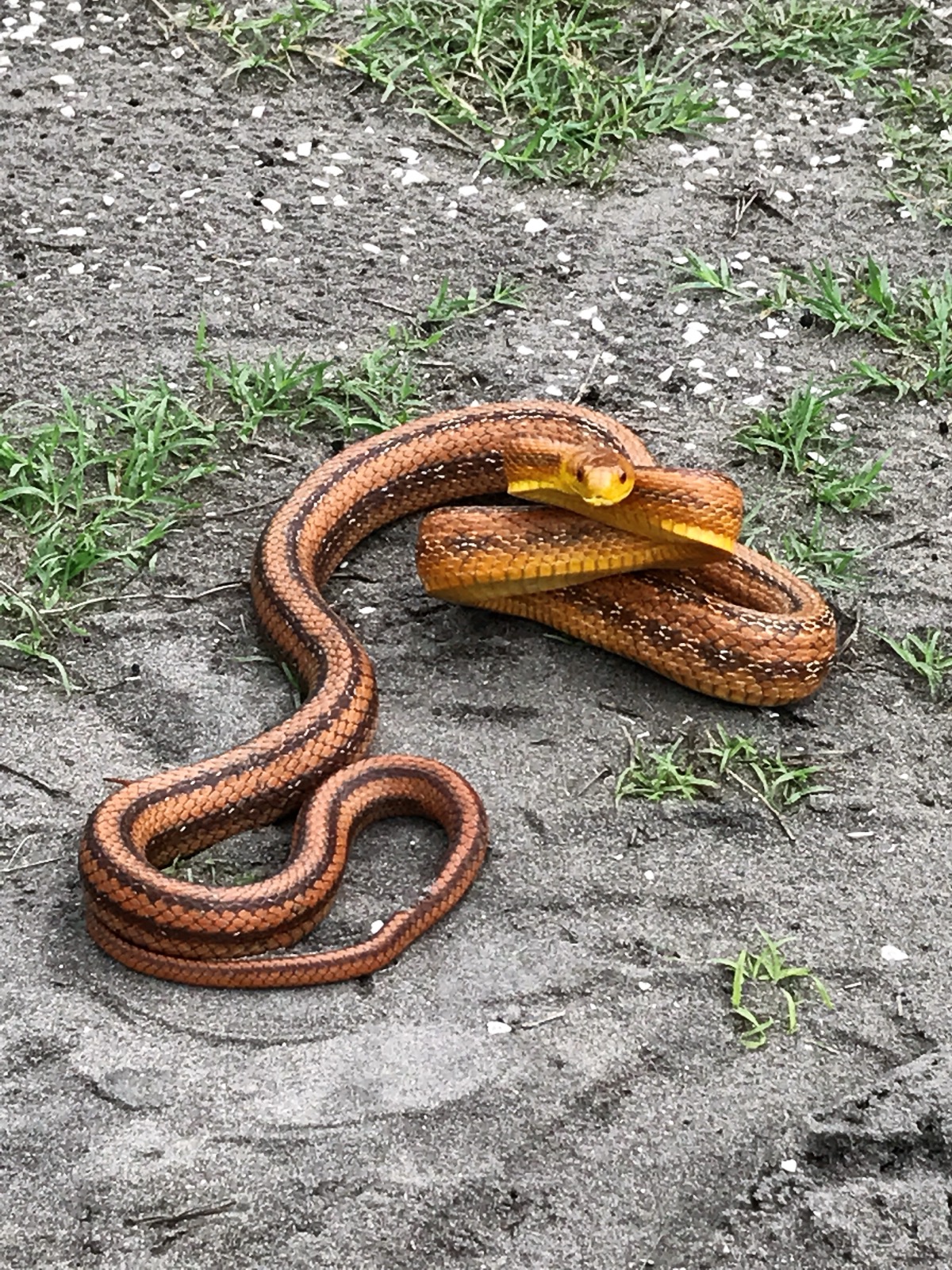
Can snakes climb walls is a high-intent search because it usually comes after someone finds a snake near brick, stone, siding, shrubs, or attic access points. The short answer is yes, some snakes climb very well. The useful answer is that they do not climb every surface equally, and their behavior usually follows food, shelter, and warmth.
Species like rat snakes are especially known for climbing trees, rough walls, stacked stone, and structures with texture or tight edges. Smooth indoor walls are a different story. Most snakes need friction, seams, or uneven surfaces to gain purchase, so a viral video of one snake climbing does not mean every snake can scale every house exterior.
Homeowners often misread the risk. A climbing snake is not automatically trying to get inside the living room. It may be moving toward birds, eggs, rodents, shade, or a protected resting spot. That context matters because the right response is usually habitat management rather than panic.
If you want to reduce repeat encounters, focus on the attractors: rodent control, sealed gaps, trimmed vegetation against walls, and fewer cluttered hiding zones near foundations. Those changes solve more than identification alone because they change why the snake is using the space.
SerpentID helps after the first sighting by showing which species are likely in your region and whether the animal matches a known climber like a rat snake. But if the photo is poor or the result is uncertain, do not close distance for a better angle. Let the snake move on and harden the property afterward.