


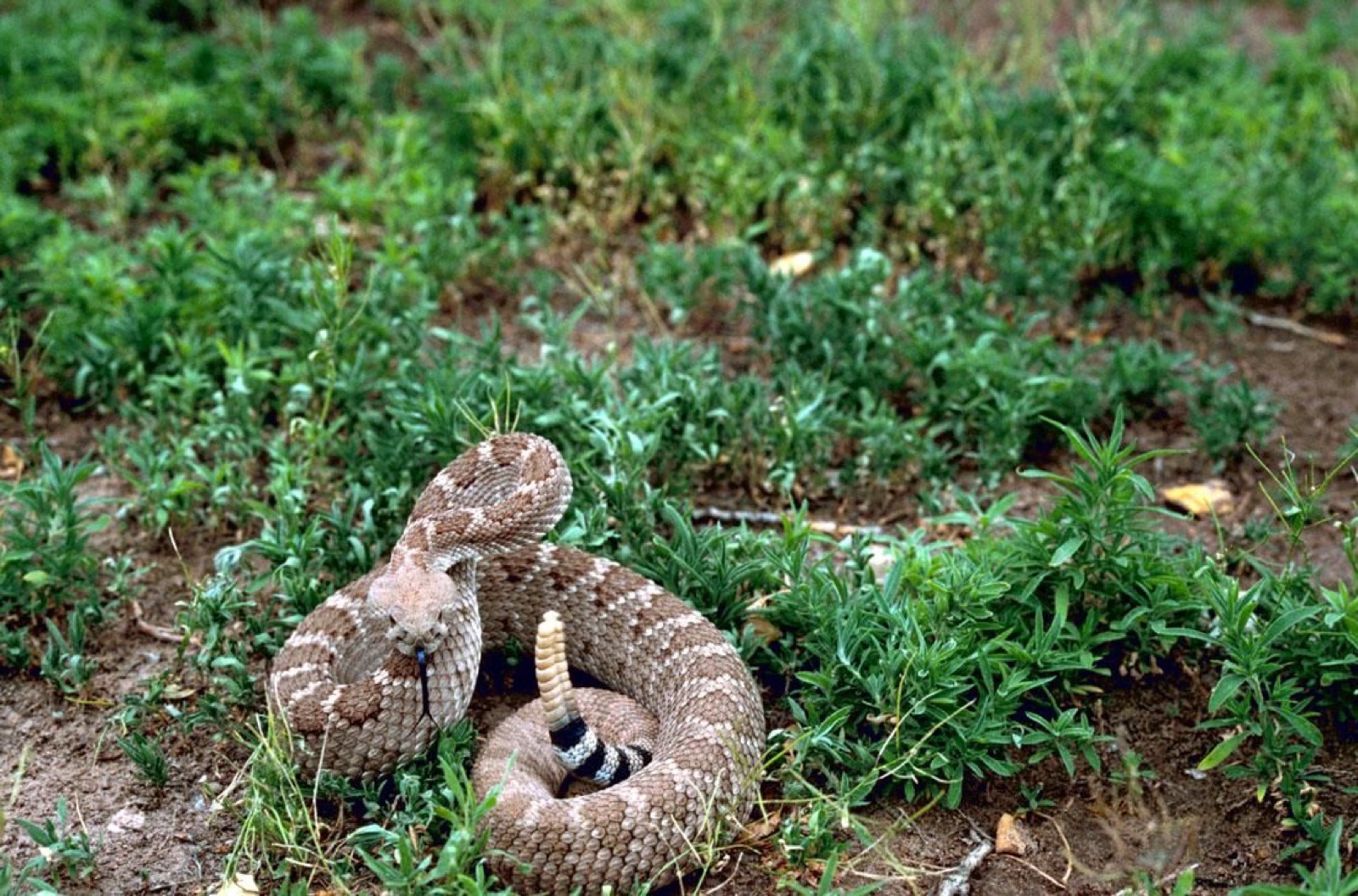
Baby rattlesnake vs copperhead is a stressful comparison because both snakes can look short, heavy-bodied, and high-stakes in a rushed sighting. Once people notice the snake is small, they often assume one dangerous juvenile looks much like another. That shortcut misses the pattern and habitat clues that still separate the two groups from a safe distance.
Copperheads usually keep the classic hourglass-style crossbands, with the narrow part of the band crossing the spine and the wider portions dropping down the sides. Juvenile rattlesnakes more often show bands, diamonds, blotches, or tail striping that read differently across the body depending on species, but not that clean copperhead hourglass logic repeated from shoulder to tail.
Body proportions also help. Copperheads often look compact and dense, but many small rattlesnakes read even more heavily keeled and rough-textured, especially when coiled. People sometimes over-focus on whether they can see a rattle, but a small tail tip in grass, leaves, or a blurry phone image is not reliable enough to use as the only decision point.
Scene context adds real signal. Copperhead encounters more often involve leaf litter, woodland edges, brush, and shaded ambush cover. Juvenile rattlesnakes depend on region and species, but many sightings happen in drier open habitat, rocky ground, trail edges, or sun-exposed terrain where the whole encounter reads differently before you even zoom in on the pattern.
SnakeSnap helps when the image captures the body pattern clearly and leaves room for the surrounding habitat. If the app suggests either rattlesnake or copperhead, or confidence stays low, the field decision is the same: back up, keep pets and children away, and avoid trying to improve the photo. Uncertainty around a small venomous snake is a reason to add distance, not remove it.