


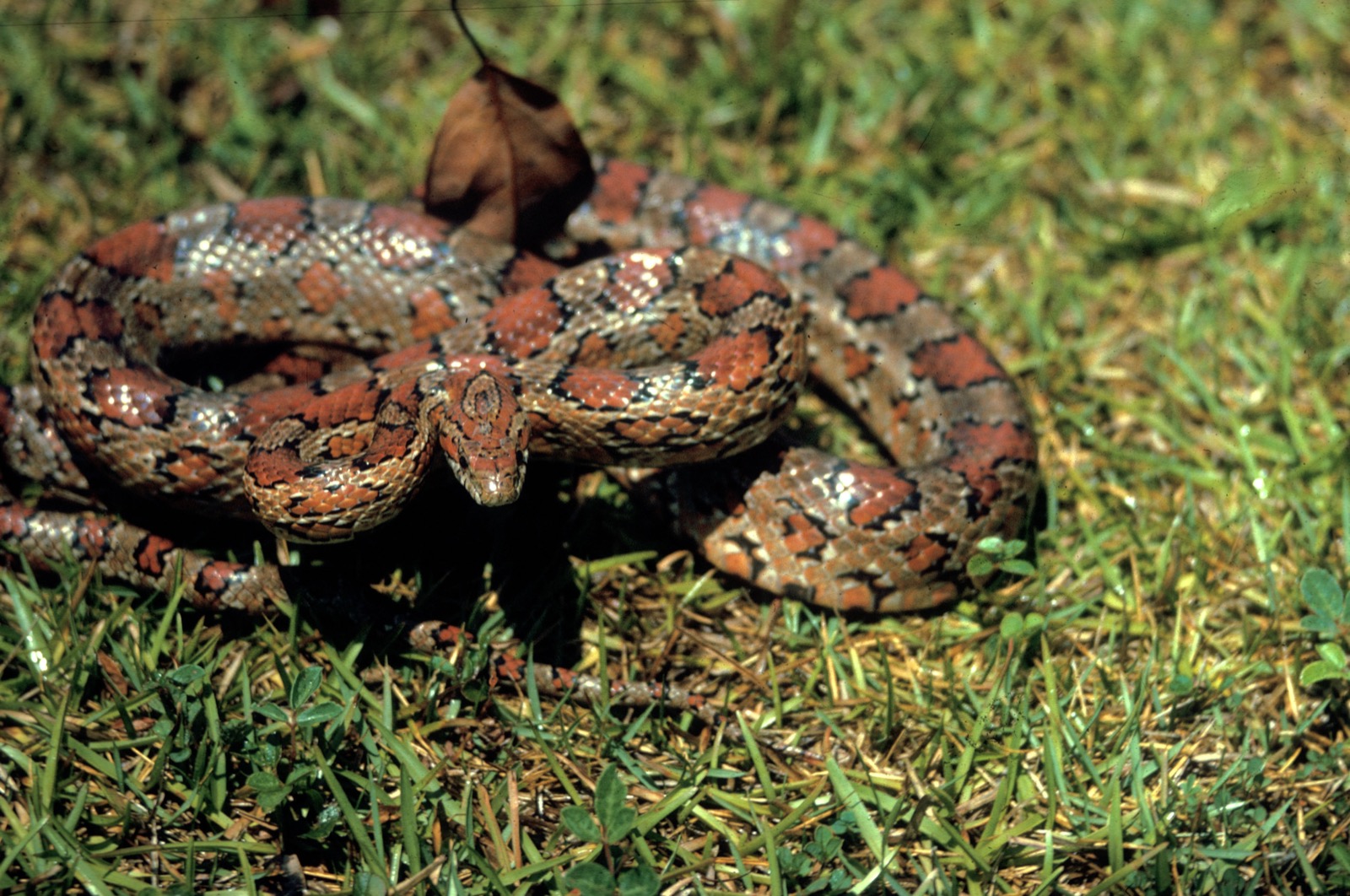
Low light is one of the main reasons snake identification confidence drops. The app can only work with the visible signal in the photo, so the capture workflow matters more than people expect.
Prioritize silhouette and pattern blocks over extreme zoom. A slightly wider, sharper image is usually more useful than a blurry close-up that loses the body shape.
Keep the phone steady, avoid flash if it blows out the scales, and try to include at least one section where the body pattern is cleanly separated from leaves, rocks, or dirt. Background clutter often causes false certainty.
When the photo is weak, the safest interpretation is conservative. SerpentID should help you identify likely options, but the field decision still has to account for uncertainty.