


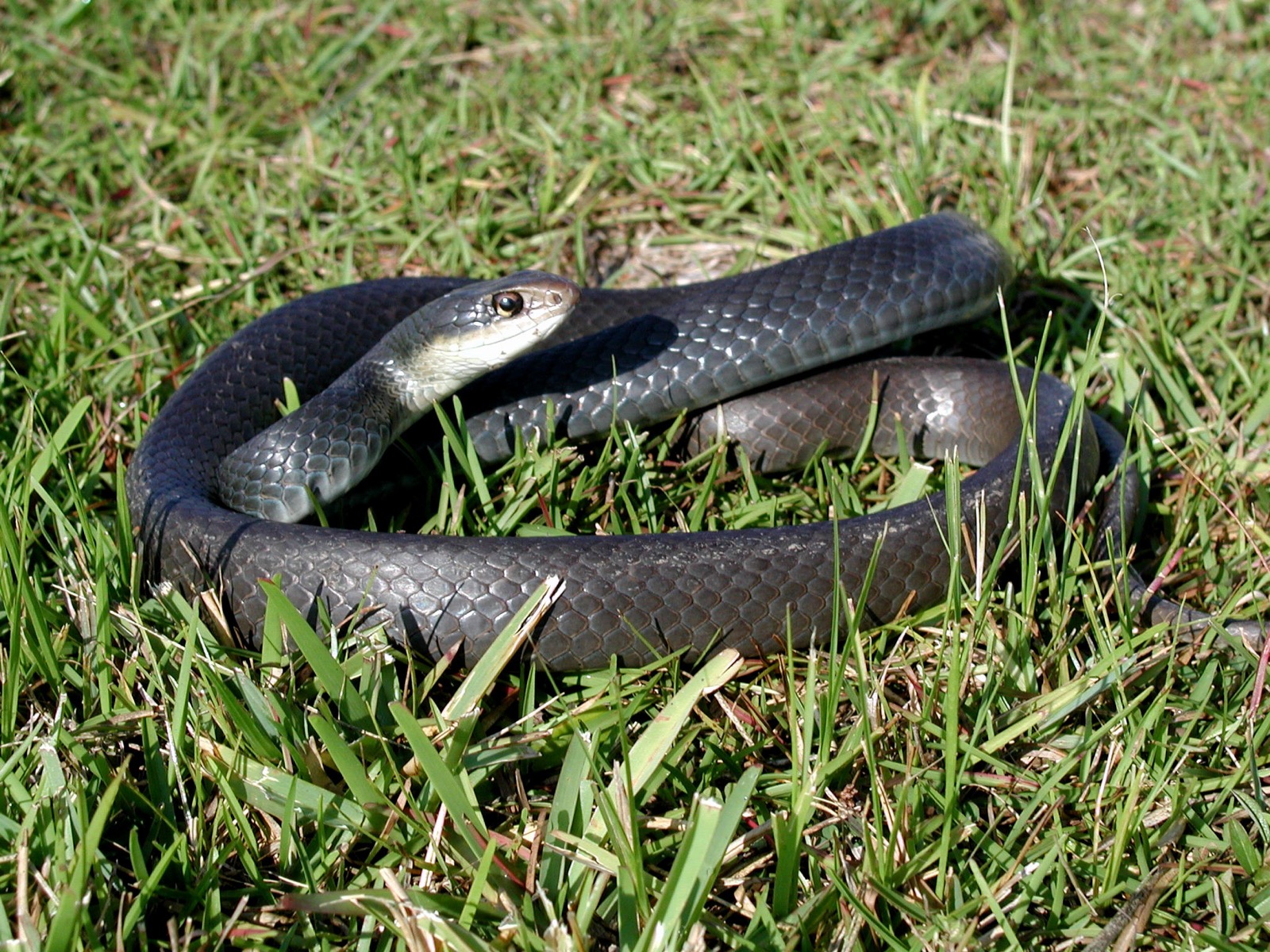
Snake hole in yard is a classic homeowner search because one dark opening near the patio, foundation, mulch bed, or stone border can suddenly feel like proof that snakes are living under the house. In reality, the visible hole usually tells you much less than people assume from a quick glance.
The first correction is simple: many snakes do not dig their own burrows. They often reuse rodent tunnels, gaps under hardscape, drainage voids, stump cavities, or spaces created by erosion. That means the presence of a hole does not automatically mean a snake made it, and it definitely does not tell you which species is using it.
Look at the surroundings before you look into the hole. Fresh loose soil, seed shells, gnaw evidence, clipped grass, and repeated narrow runways often point more strongly to rodent activity. Dense cover, stacked materials, and warm edge habitat may explain why a snake would inspect or reuse the same area later.
Do not test the hole with your hand, a stick, or a blind reach under stone or decking. If you need to inspect, use distance, daylight, and safe angles only. A photo of the surrounding habitat is often more useful than an aggressive attempt to prove what is inside.
SerpentID is most helpful after an actual sighting, not from the hole alone. If you later photograph a snake using the area, the app can narrow the species set and help you decide whether the problem is mostly habitat management or a reason to call local wildlife help.