


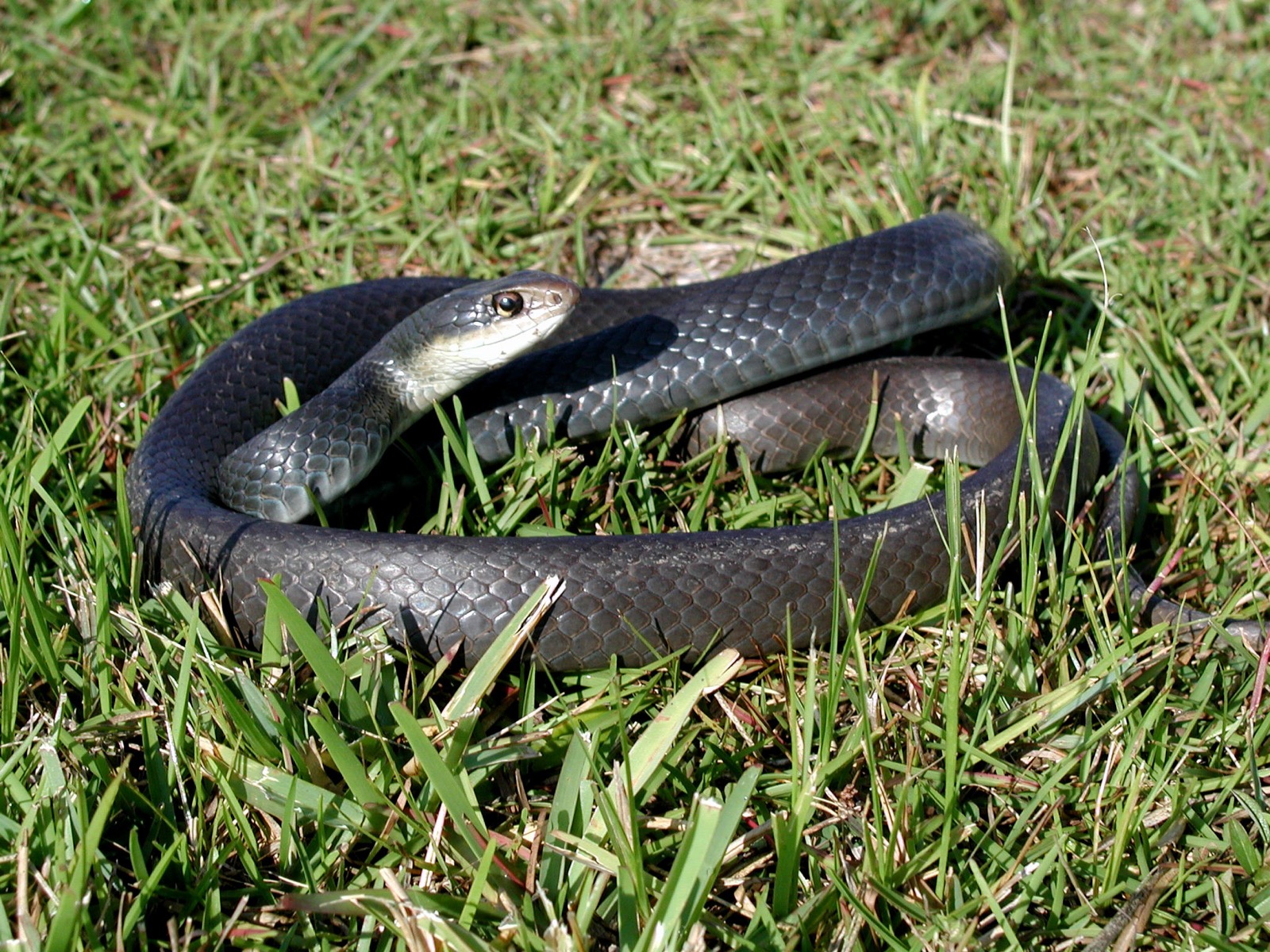
Snake in trash can what to do is a surprisingly common household search because outdoor bins combine shade, heat cycling, food scent, insects, rodents, and sheltered gaps around lids and wheels. The risk usually begins when someone lifts a trash bag without looking or tips a bin thinking the problem will solve itself. That turns a hidden encounter into instant close-range contact.
Do not drag the can by the handle, reach under the lid lip, or compress the trash bag to check whether the snake is still there. Keep the bin where it is if possible and give yourself distance. If the snake is visible near the rim, hinge, or inside wall, avoid shaking the can because confined movement can send it toward the opening you are standing over.
Trash areas often reveal a broader habitat issue. Rodent activity, spilled pet food, compost residue, tall weeds, stacked bags, and cluttered fence lines can all make the bin zone attractive long before the snake is noticed. The bin itself is only part of the scene.
If you have a safe angle, take one clear photo from outside the opening without leaning over the container. Do not try to pin the snake with a broom or dump the contents onto the ground. You lose control of direction immediately once the animal exits under stress, and now the risk is spread across the yard or driveway.
Snakenap can help narrow whether the snake looks like a common nonvenomous yard visitor, but uncertainty should keep the response conservative. If the app suggests a venomous species or the snake is buried under trash where you cannot monitor it safely, call local wildlife help. Afterward, clean up food attractors, reduce rodent pressure, and keep the trash area less cluttered so the bin is less useful as cover.