


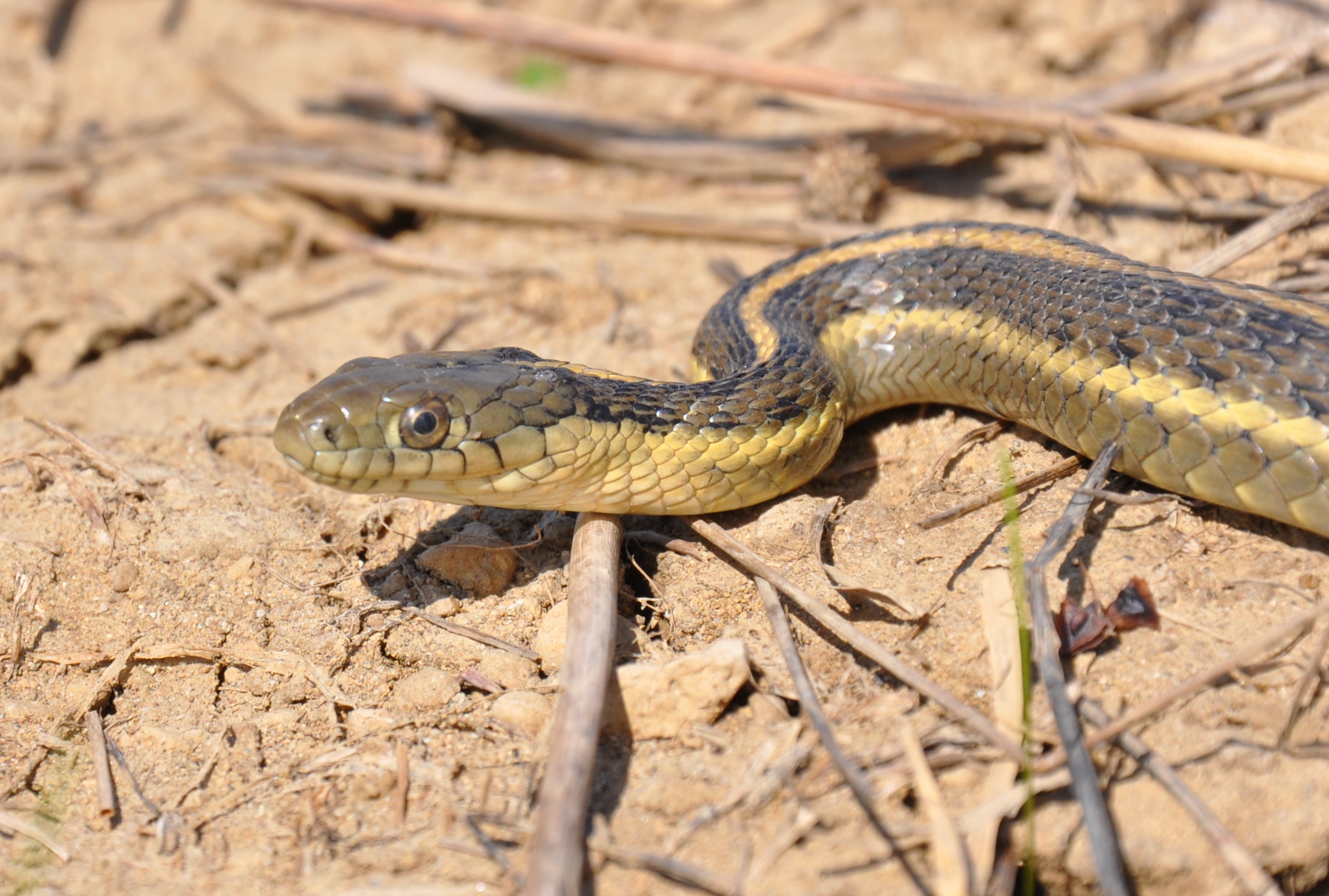
The query are garter snakes venomous usually means someone has found a common striped snake near a yard, park, or walking trail and wants to know whether the situation is dangerous. In most cases, the immediate safety answer is that garter snake encounters are far lower risk than encounters with medically significant venomous species.
That said, low risk does not mean no caution. Any wild snake can bite if cornered or handled. For families and pet owners, the correct move is still to leave the snake alone, give it an exit path, and keep curious hands or noses away.
Garter snakes are often recognized by longitudinal stripes and a generally lighter, more agile build than many heavier-bodied vipers. But color varies by region, and muddy light can make a familiar harmless snake look more dramatic than it is.
SerpentID helps most when it confirms common possibilities and highlights visible markers instead of turning every encounter into a yes-or-no panic moment. If the app returns a low-confidence result, treat the scene as unresolved rather than forcing the label to fit.
For SEO-style questions like this one, the strongest takeaway is simple: a likely garter snake is usually not an emergency, but it is still wildlife. Respect distance, skip handling, and use identification tools to support judgment rather than replace it.