


Snake in the garage is a high-intent search because the sighting feels trapped, close, and personal. Unlike a yard encounter, a garage snake raises immediate questions about kids, pets, stored gear, and whether the snake came from under the door, through a wall gap, or from clutter already inside.
The first move is not removal by hand. Create distance, keep the garage door or exit path open if that can be done safely, and stop people from crowding the snake into a corner. Many garage encounters involve harmless snakes using shade, warmth, prey, or shelter rather than trying to move deeper into the house.
What brought it in usually matters more than the species name alone. Door sweeps with daylight under them, foundation gaps, cluttered storage edges, pet food, standing moisture, and rodent activity all make a garage attractive. One sighting often signals an access problem or food source, not a one-off mystery.
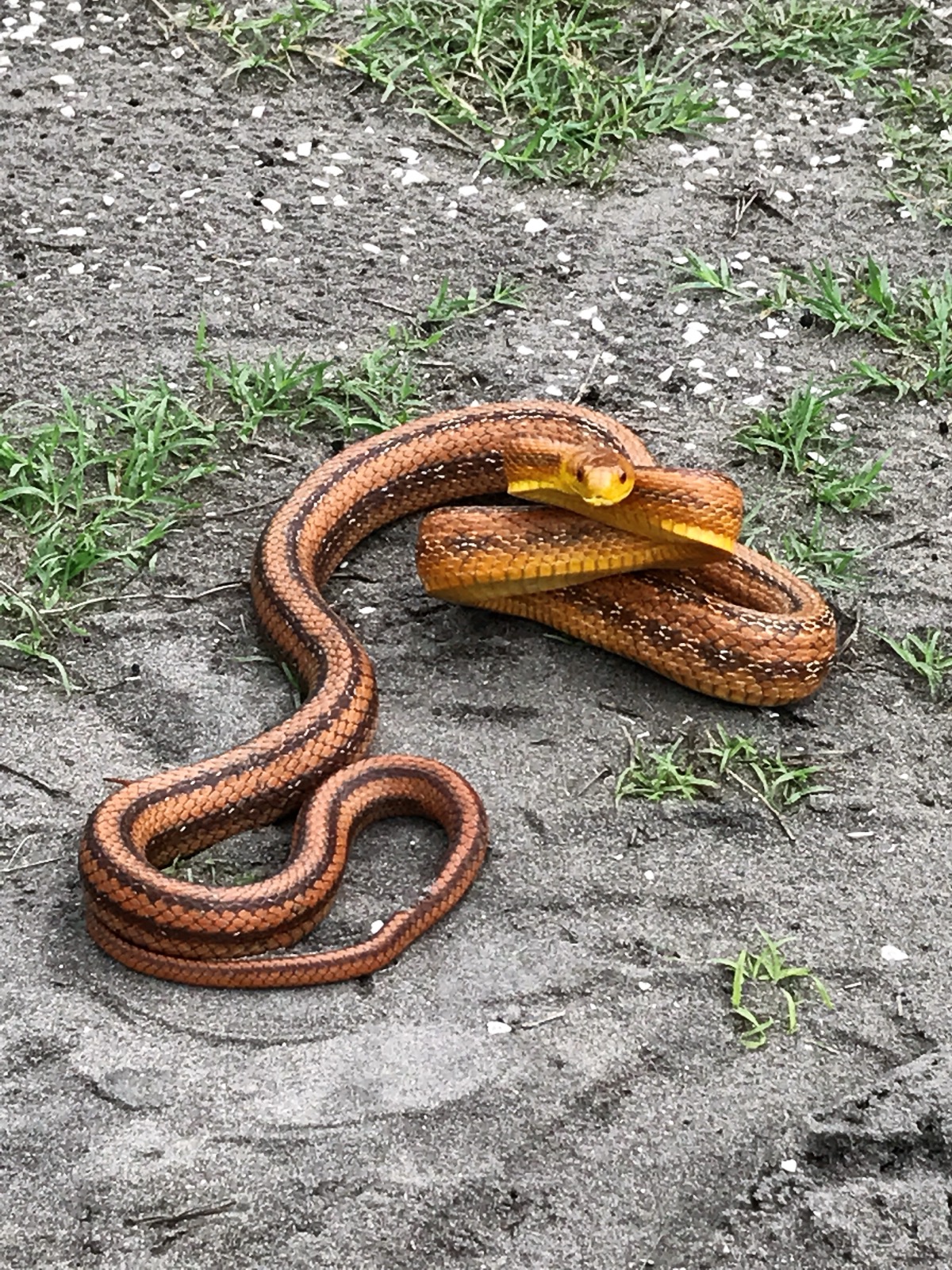
If you need identification, take one stable photo from a safe distance that shows the full body and nearby context. Avoid pinning, sweeping, or poking the snake to make it move. That usually increases risk and makes the photo worse at the same time.
SerpentID helps by narrowing whether the animal looks like a common garage visitor such as a rat snake, racer, or another low-risk species. But if the app suggests a venomous snake or stays uncertain, escalate locally instead of improvising. After the encounter, seal gaps, reduce clutter, and remove the reasons the garage worked as habitat.