


Snake in mulch what to do is a frequent yard search because mulch beds compress several snake-friendly conditions into one place: shade, edge cover, retained moisture, insects, and hiding spots under pots, stones, or dense plantings. The danger usually appears when someone is gardening normally and touches what they never saw.
The first step is stopping the yard work immediately. Do not keep raking, hand-weeding, lifting nursery pots, or pulling landscape fabric to force the snake into view. Most bites in this type of setting come from surprise contact at close range, not from a snake crossing open lawn where people can see it coming.
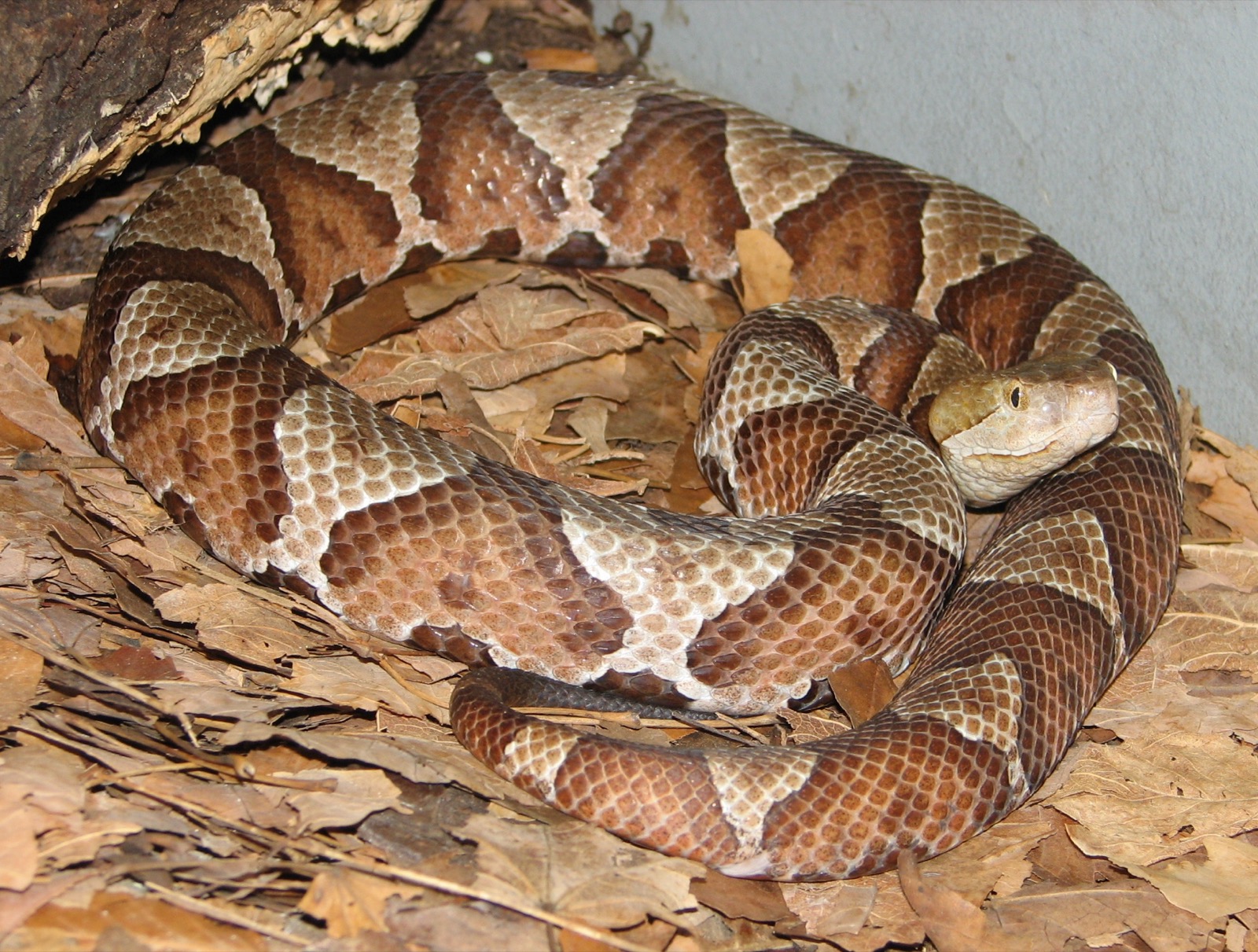
Mulch also exaggerates identification mistakes. Patterned species can blend into bark, pine straw, leaves, and shadow, which is why people either miss the snake entirely or convince themselves every curved stick is a copperhead. Safe distance matters more than trying to resolve that uncertainty with one more step forward.
If you can see the snake clearly from where you already are, take a stable photo that shows the body pattern against the mulch bed and nearby plants. Context helps because landscaping features often explain why the snake chose the spot in the first place. Skip the close-up attempt if it means leaning over the bed or moving decorations by hand.
Snakenap is useful here because mulch encounters often produce good top-down photos without forcing direct interaction. If the app returns a venomous possibility or low confidence, keep pets and children away and use local wildlife help if needed. Long term, reduce rodent shelter, thin dense ground-level clutter, and stay deliberate whenever hands go into beds, edging, or stacked pavers.