

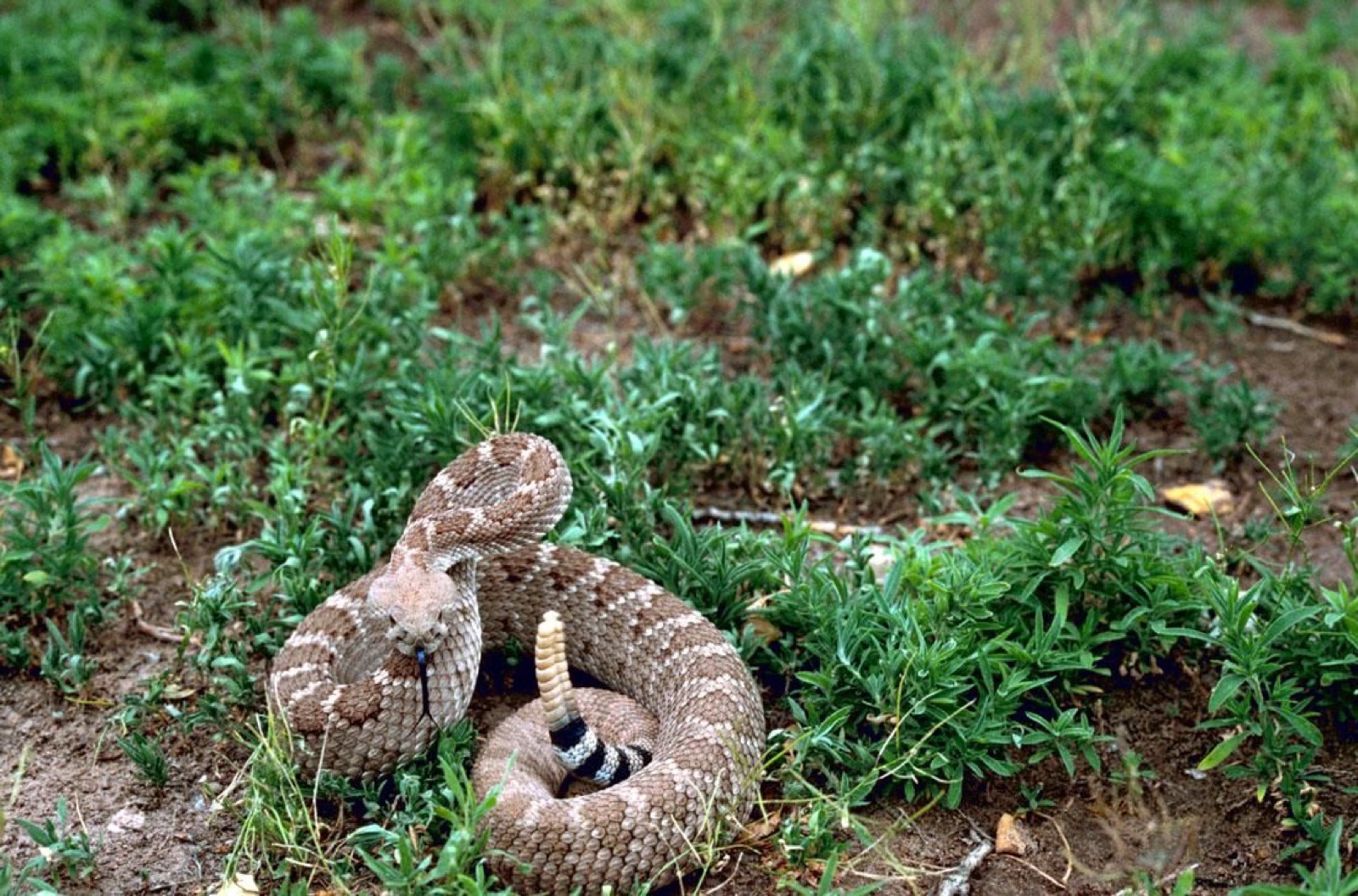
The safest rattlesnake identification habit is simple: do not move closer just to confirm the species. In practice, distance gives you more time to observe the whole animal, its posture, and the scene around it.
Start with broad signals. Look for body thickness, tail posture, visible banding or diamond shapes, and whether the head is being held high or kept low. Those signals are useful long before you need a perfect species name.
SerpentID works best when you treat the first result as decision support, not permission to approach. If the app reports a high-risk species or low confidence, the correct move is still to back up and leave room.
On narrow trails, the safest field routine is to stop, take one clean zoomed photo if possible, and let the animal clear the area. Extra angles help only if they can be captured without reducing distance.