


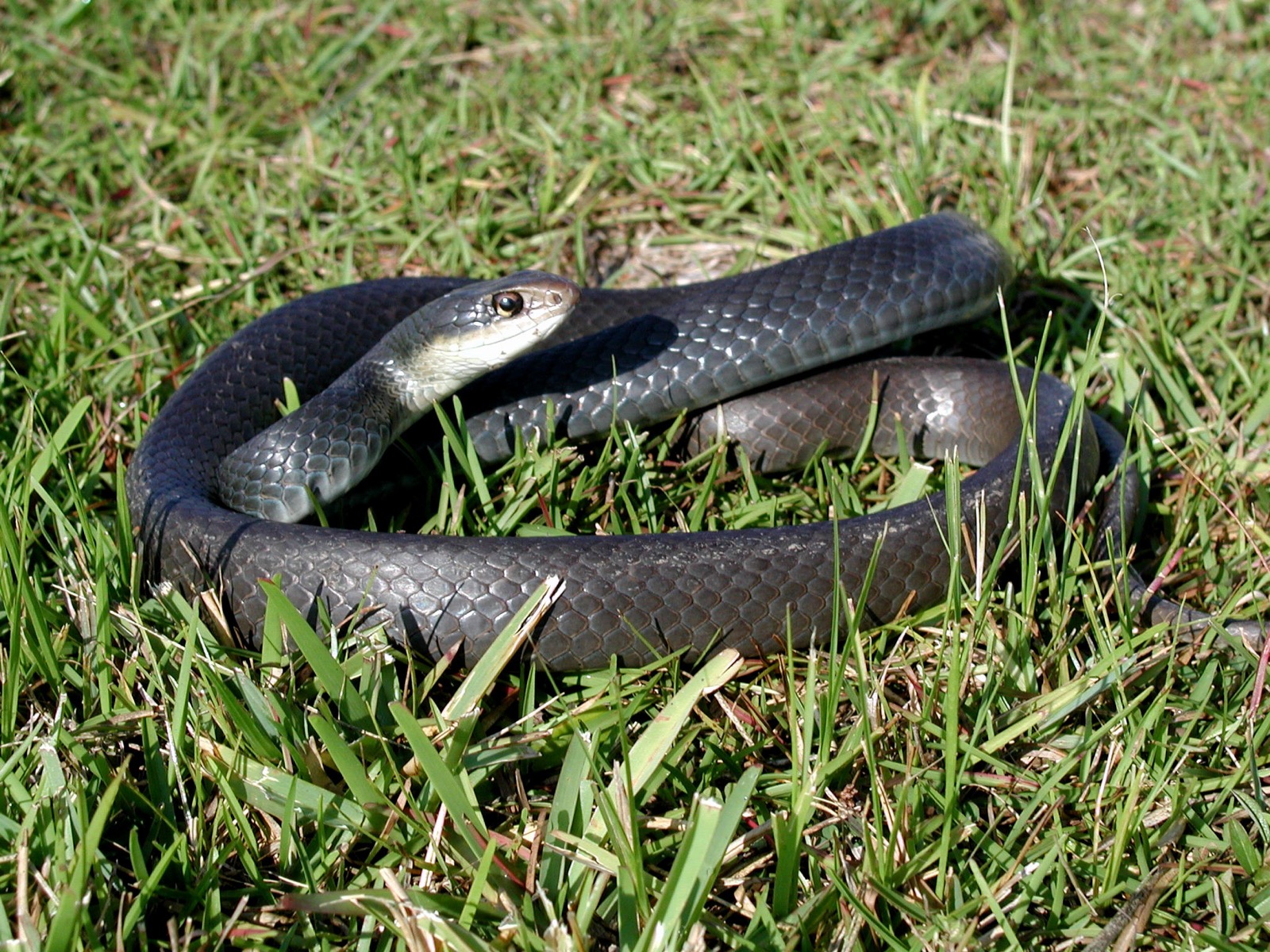
Snake in car what to do is one of the most urgent homeowner and driver searches because the problem feels both enclosed and immediate. A snake under the seat, near the pedals, or along a door pocket changes the risk fast because people feel trapped with it instead of simply near it. The correct first move is regaining control of the vehicle, not trying to solve the wildlife problem while still in traffic.
If the snake is noticed while driving, pull over somewhere safe as smoothly as possible. Do not slam the brakes, start swatting at the floorboard, or try to film the animal while the car is moving. Once parked, get passengers out on the side away from traffic and keep the doors open only if that does not put anyone closer to the snake.
Cars attract snakes for simple reasons: open doors during loading, shaded parking spots, rodent scent in garages, clutter in trunks, and warm protected spaces after the engine has run. That means the sighting often starts outside the car and ends inside it, rather than the snake somehow targeting the vehicle itself.
Avoid reaching under seats, center consoles, floor mats, or cargo where the snake can be touched before it is seen. Tight spaces turn even a harmless species into a bite risk because surprise contact happens at arm's length. If you can photograph the snake safely from outside the open door, take one clear image and then stop moving around the cabin.
Snakenap can help narrow whether the snake looks like a common nonvenomous traveler or something medically significant, but a low-confidence result should widen your safety margin. If the app suggests a venomous option or the snake is hidden near critical controls, contact local wildlife help. Afterward, check the garage, remove food or rodent attractors, and avoid leaving the vehicle open in snake-active areas.