


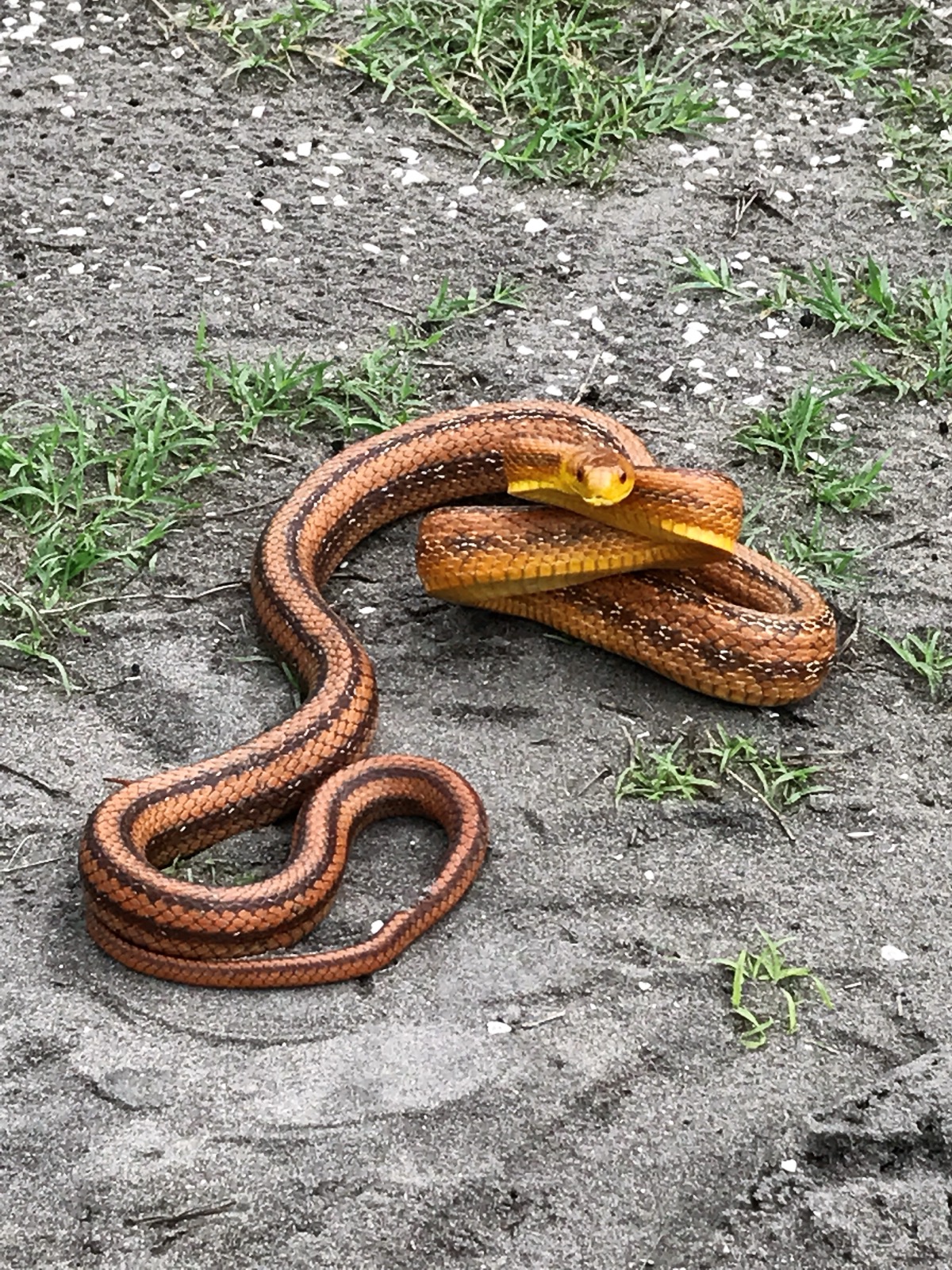
Snake in crawl space what to do is a stressful query because the space is tight, dark, and full of blind angles. People often assume they need to crawl under the house immediately to find the snake, confirm the species, and solve the problem in one pass. That instinct creates more risk than the original sighting.
The safest move is to avoid entering the crawl space just to investigate. Tight entry points, insulation, vapor barriers, pipes, stored items, and low visibility make it easy to surprise a snake at close range. If the animal is venomous, the crawl space removes the distance that normally keeps the encounter manageable.
Crawl spaces attract snakes for predictable reasons: rodents, moisture, insect activity, shade, and protected travel lanes along foundation edges. The snake is responding to conditions that also support prey and shelter. That is why a repeat sighting usually means the structure is offering habitat, not that one individual snake has become unusually attached to the house.
If you can document the sighting safely from outside the access point, take a single clear photo and then back off. Do not reach under skirting, insulation, or debris to improve the angle. Full-body pattern and context matter more than a shaky close-up from a dangerous position.
SnakeSnap is useful here because it can help narrow the likely species before you decide whether local wildlife control is necessary. But if the app suggests a medically significant snake or confidence stays low, do not turn uncertainty into a crawl-space search mission. Escalate locally, then reduce the attractors with exclusion work, moisture control, and rodent management.