


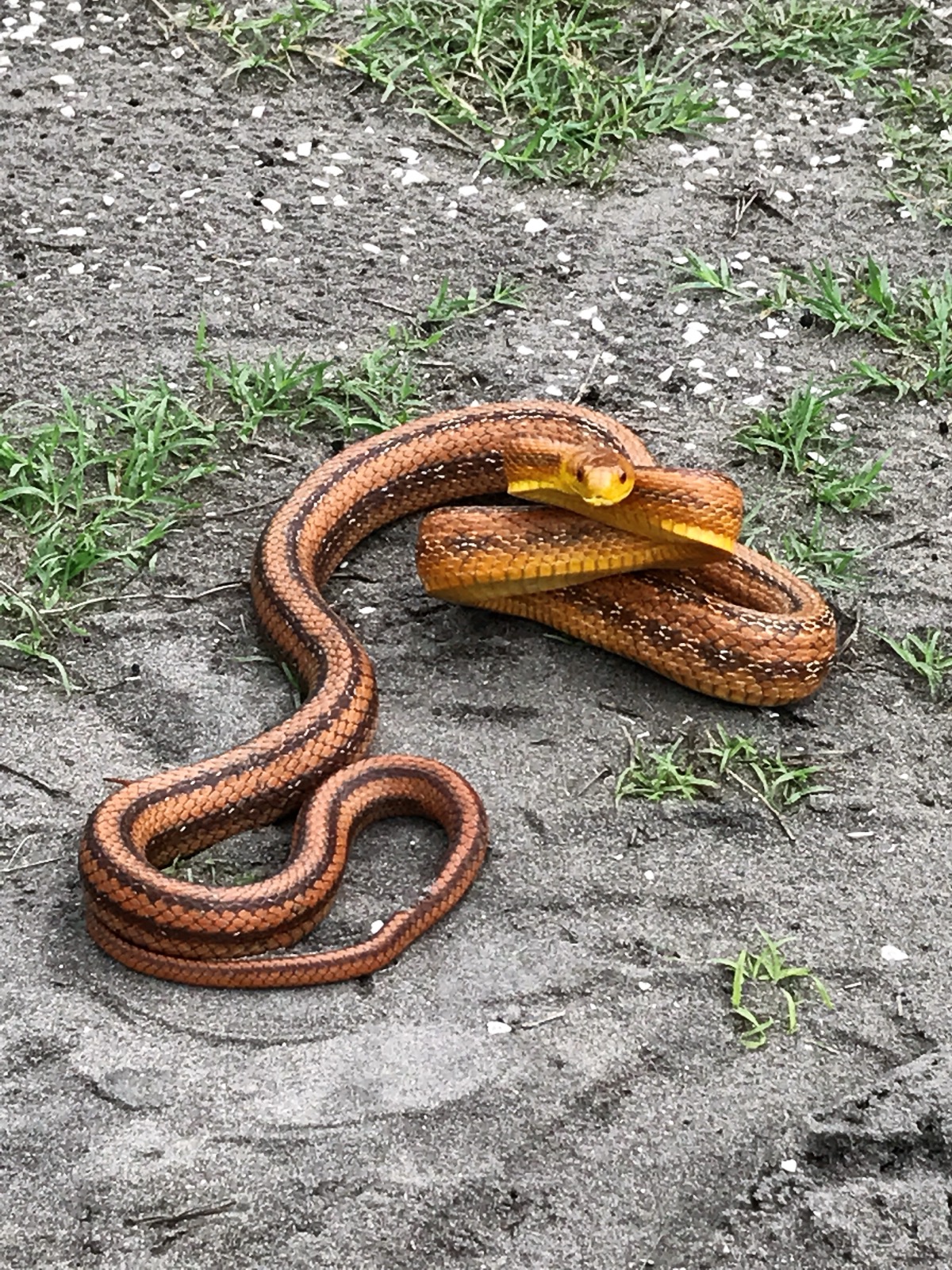
Snake in air vent what to do is a high-stress indoor search because registers and ducts create instant blind spots. Once someone hears movement or sees a body section in a floor vent, the reflex is to pull the register, shine a light inside, and start feeling around the opening. That is exactly the type of close contact you want to avoid.
Do not remove the vent cover by hand, reach into the duct, or start probing with a coat hanger or stick. First, keep other people and pets away from the room and note whether the snake is in a wall vent, floor register, return, or crawl-space-connected opening. The kind of vent matters because it hints at how much space the animal has and where it might move next.
Vent encounters are usually access problems, not random indoor events. Gaps around foundations, crawl spaces, utility lines, attic penetrations, and damaged screens can all give snakes a route into duct-adjacent voids. That means solving the immediate sighting is only half the job; the entry path will matter afterward.
If the snake remains partly visible, take one photo from a stable distance that shows body pattern and the vent context. Do not widen the opening just to chase a better angle. Once the animal retreats deeper, invasive DIY inspection rarely improves safety and often removes the distance that was protecting you.
Snakenap can help compare likely species from a usable photo, especially if the body pattern is visible along the vent edge. If confidence stays low, the app suggests a venomous match, or the vent location affects bedrooms, HVAC returns, or frequently used rooms, contact local wildlife help before opening more ductwork. Afterward, inspect crawl-space screens, utility penetrations, and vent sealing so the route does not stay available.