


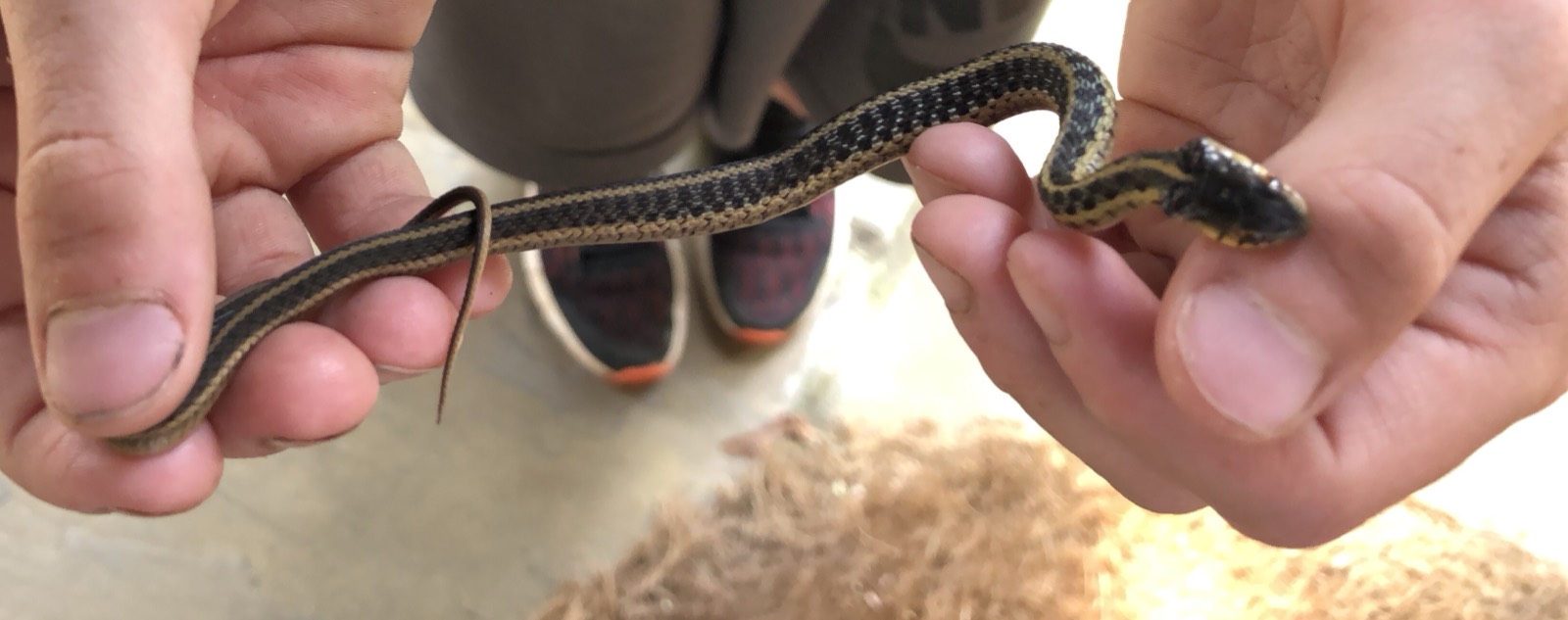
Do baby snakes mean a nest nearby is a classic homeowner search because small snakes trigger the feeling that a larger hidden problem is about to emerge. In reality, one hatchling or juvenile snake does not prove a nest inside the wall, under the patio, or beside the foundation.
Many young snakes disperse quickly after hatching or birth, so the one you see may simply be passing through suitable cover. Mulch, stacked stone, irrigation edges, leaf litter, and dense shrubs all give small snakes places to pause without indicating a permanent colony under the home.
The better question is whether the property is attractive habitat. Rodent food sources, cluttered shelter, moisture, and dense hiding zones explain repeat sightings better than the word nest. That distinction matters because it changes the solution from panic to habitat cleanup.
If you keep seeing very small snakes in the same exact area over multiple days, that is stronger evidence that a nearby shelter zone deserves inspection. Even then, the safest inspection is visual and cautious. Do not start grabbing stones or putting hands into gaps where visibility is poor.
SerpentID helps by narrowing likely species when you can get a safe photo, which is useful because the species itself changes the level of concern. But whether the app says harmless or uncertain, the smart next move is still property management: reduce attractors, seal openings, and escalate locally only if sightings keep repeating.