


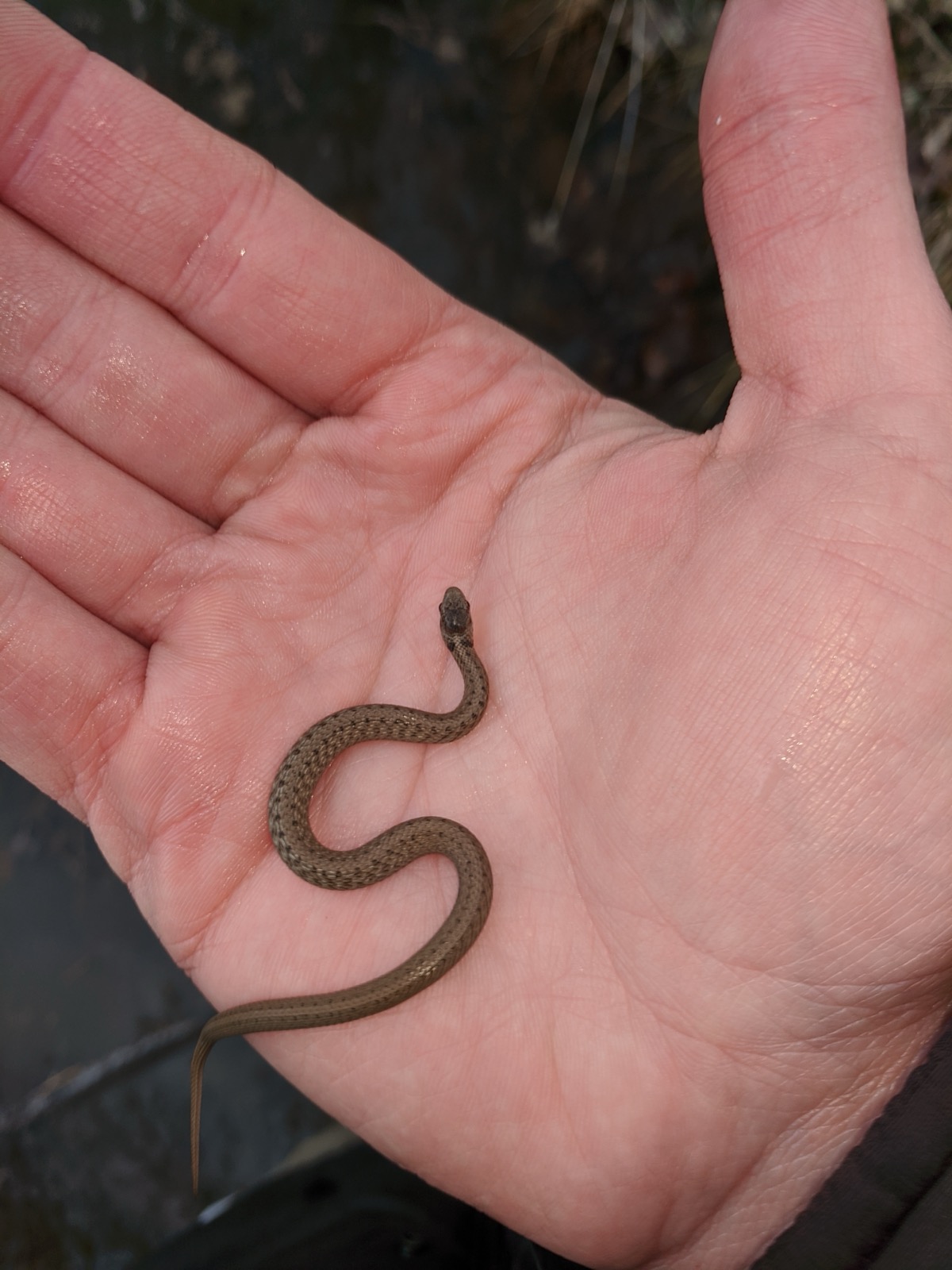
Snake in flower pot what to do is a common yard and patio search because container gardens create small shaded pockets that stay cool, damp, and full of cover. A snake may tuck beneath the lip, coil behind grouped planters, or use the space under a saucer without being visible until someone waters, repots, or lifts the pot suddenly.
The first move is to stop touching the planter setup. Do not pick up the pot to see if the snake is underneath, tip soil out onto the ground, or reach between clustered containers where the body could be hidden. Most bites in planter situations come from blind hand placement at very short range.
Potted plants are attractive because they condense habitat into a tiny footprint: moisture, insects, frogs, shade, and protected edges against walls or railings. That means balcony corners, patios, porches, and greenhouse entrances can all become repeat stop points even when the rest of the yard looks open.
If the snake is visible from above or from the side, take one clear photo without moving the pot. Background context such as soil line, saucer, and neighboring planters can help explain size and posture. Skip the close-up attempt if it requires leaning over the container or separating stacked pots by hand.
Snakenap can help compare likely small garden visitors with higher-risk species, especially when the body pattern is visible against the pot or soil. If the app suggests a venomous possibility or the snake stays hidden in a container you need to handle, use local wildlife help. Afterward, space planters more deliberately, reduce dense clutter at ground level, and keep gloves on whenever working around grouped pots.