


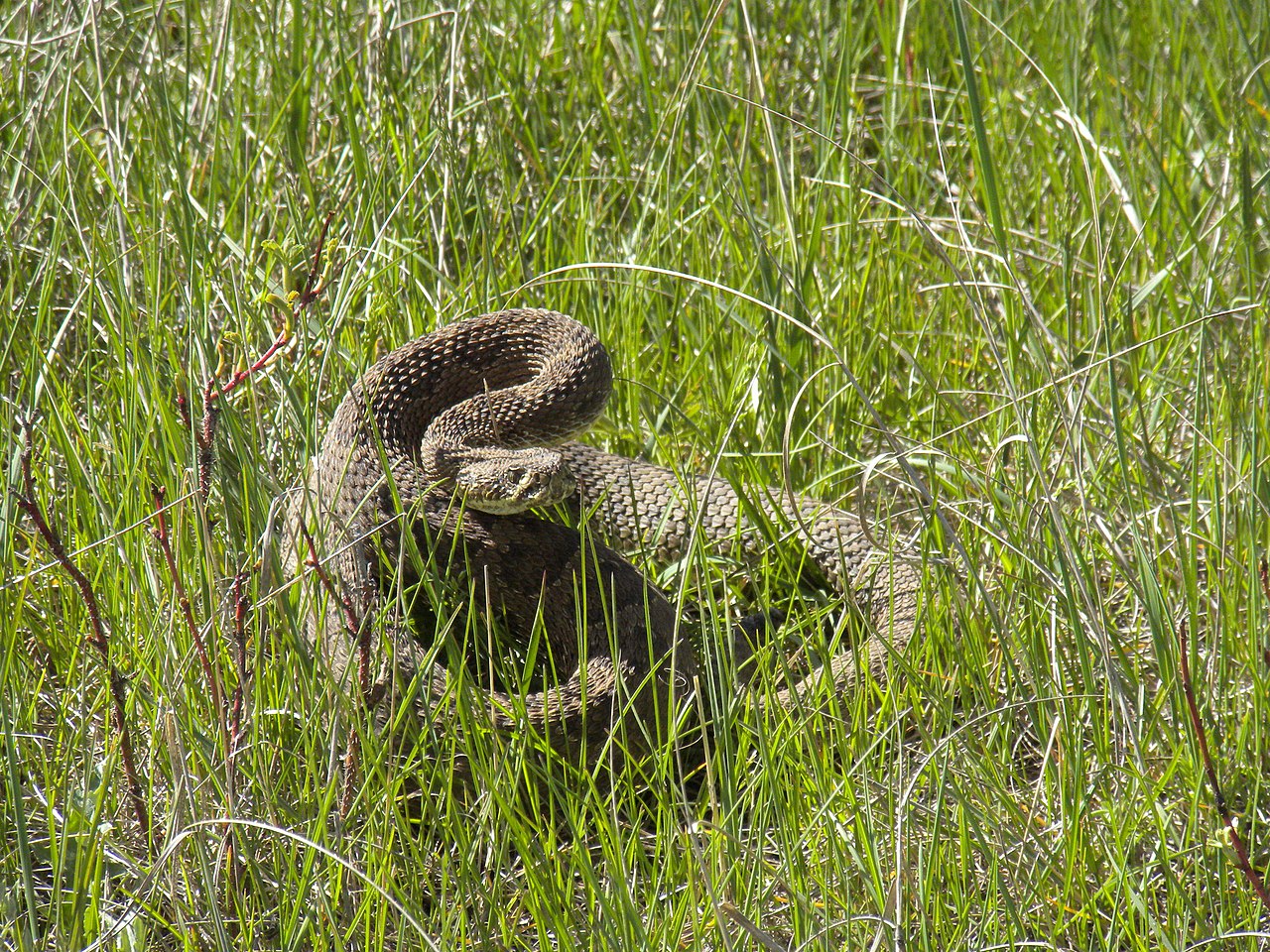
When you encounter a snake in your yard, on a trail, or even indoors, one of the first and most critical questions that comes to mind is often, "How far away do I need to be to be safe?" It's a natural and important concern, as understanding a snake's capabilities and respecting its space is paramount to avoiding conflict. While the exact answer can vary depending on the snake species and situation, the general principle is simple: always give a snake plenty of room. This approach protects you from potential bites and allows the snake to go about its natural activities undisturbed.
Many people have heard that a snake can strike up to half its body length, and this is a commonly cited guideline. For many species, especially pit vipers like rattlesnakes, copperheads, and cottonmouths, this can be a surprisingly far reach, particularly for larger individuals. A six-foot snake, for example, could potentially strike three feet from its coiled position. However, it's important to remember that this is an average and a maximum for a direct, unhindered strike. Snakes are incredibly fast, and their strike is a defensive action, often occurring when they feel threatened or cornered.
Several factors influence a snake's actual strike range and how quickly it can react. The snake's species, its size, its current posture (coiled versus stretched), the terrain it's on, and even its body temperature can all play a role. A snake that is tightly coiled often has more spring and reach than one that is stretched out. Uneven ground or obstacles might limit its ability to strike effectively, but you should never rely on such assumptions. The speed of a snake's strike is often too fast for human eyes to track, making it difficult to judge distance accurately in the heat of the moment.
Therefore, simply knowing a snake's maximum strike range isn't enough to guarantee your safety. A truly safe distance needs to account for the snake's potential to move, not just strike. A snake might decide to move towards you if it perceives its escape route is in that direction, or if it feels increasingly threatened. You also need enough space to safely back away without tripping or panicking. Relying on the "half body length" rule can put you too close, especially if you misjudge the snake's size or if it makes an unexpected movement.
A widely recommended safe distance when encountering a snake is at least 6 feet, or about 2 meters. For larger snakes, or if you are particularly nervous, even more distance is advisable. This distance provides a crucial buffer, giving both you and the snake ample space and time. It allows the snake to feel less threatened and typically encourages it to move away, and it gives you sufficient reaction time to slowly retreat without provoking the animal further. Never attempt to approach, touch, or handle a snake, regardless of its apparent size or species.
It's a common misconception that all venomous snakes have a specific head shape or pupil type, or that baby snakes are less dangerous. These visual cues are often unreliable, and assuming a snake is harmless based on such factors can be a grave mistake. Every snake should be treated with respect and caution, given that distinguishing between venomous and non-venomous species can be challenging for the untrained eye. Your priority should always be to maintain a safe distance and observe without interfering, rather than attempting to identify the snake up close.
If you encounter a snake and need to identify it, the best and safest approach is to take a clear photograph from a safe distance, ideally at least 6 feet away. Do not attempt to get closer for a better shot. Once you have a photo, the SerpentID app can help you compare its markings against local species, providing valuable information about whether it's venomous. If you suspect the snake is venomous and it poses an immediate threat, or if it has entered your home, contact local wildlife services or a professional snake removal expert. Never try to capture or kill a snake yourself, as this is when most bites occur.