
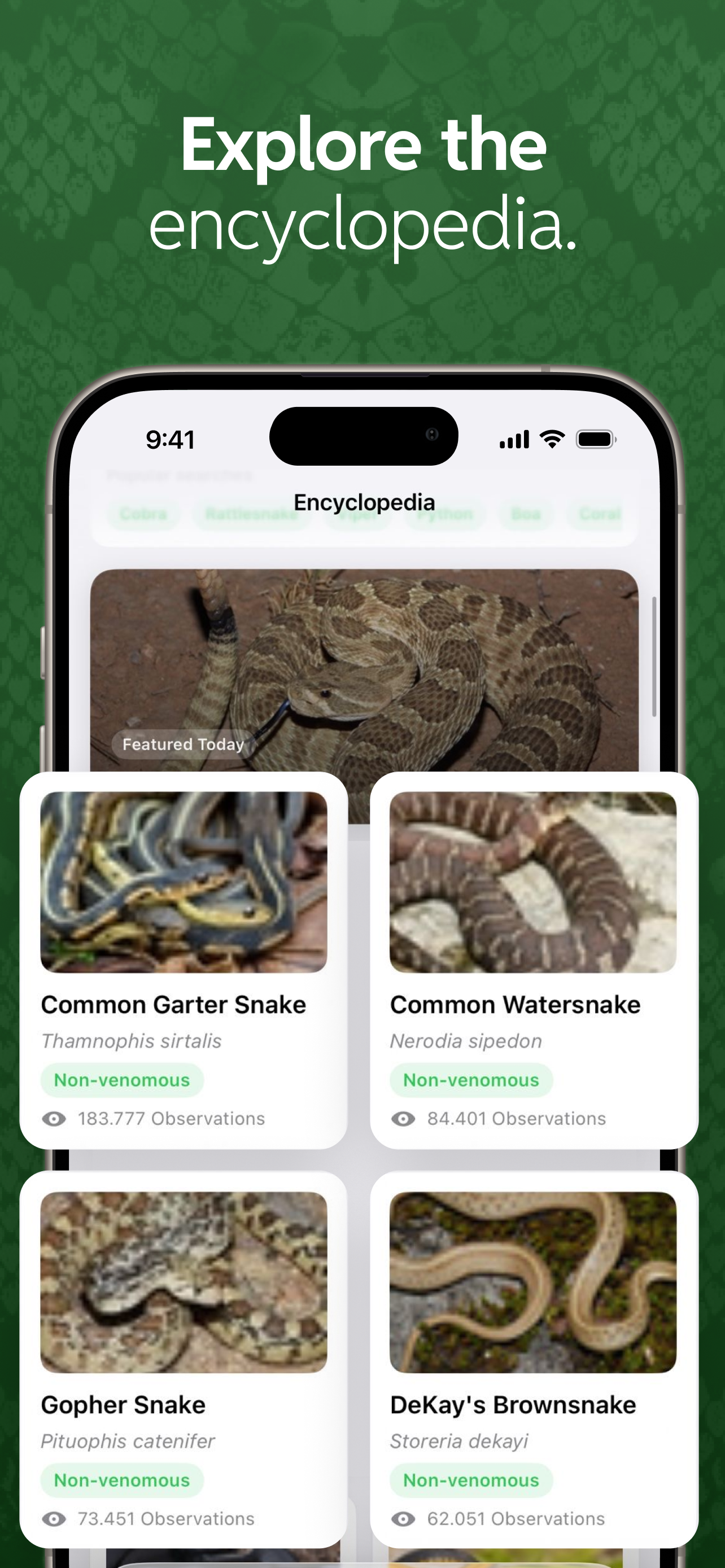
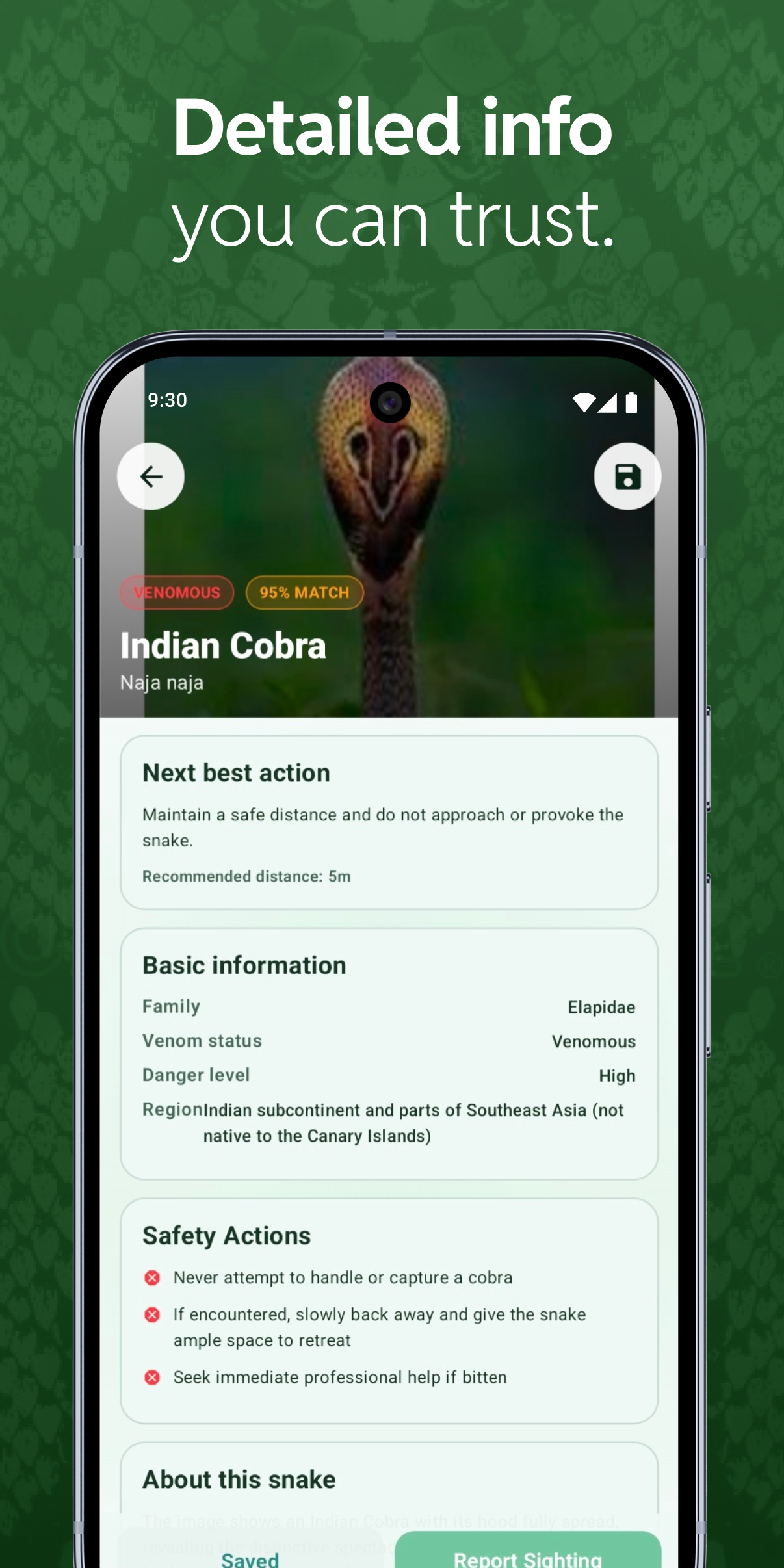
Indian Cobra (Naja naja)
One of the 'Big Four'. Iconic hood, found across India in farmland, villages, and forests.
Snake Identifier by Picture · India
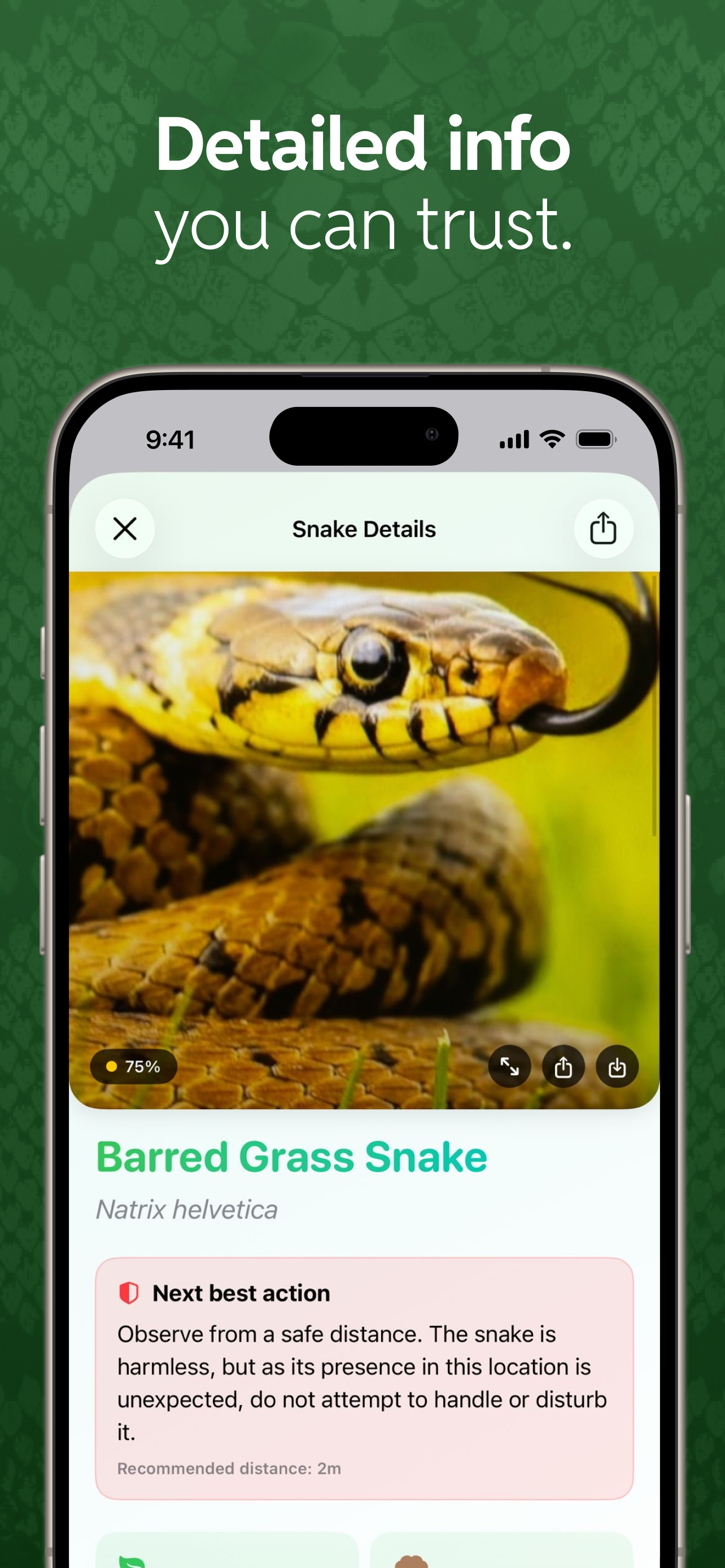
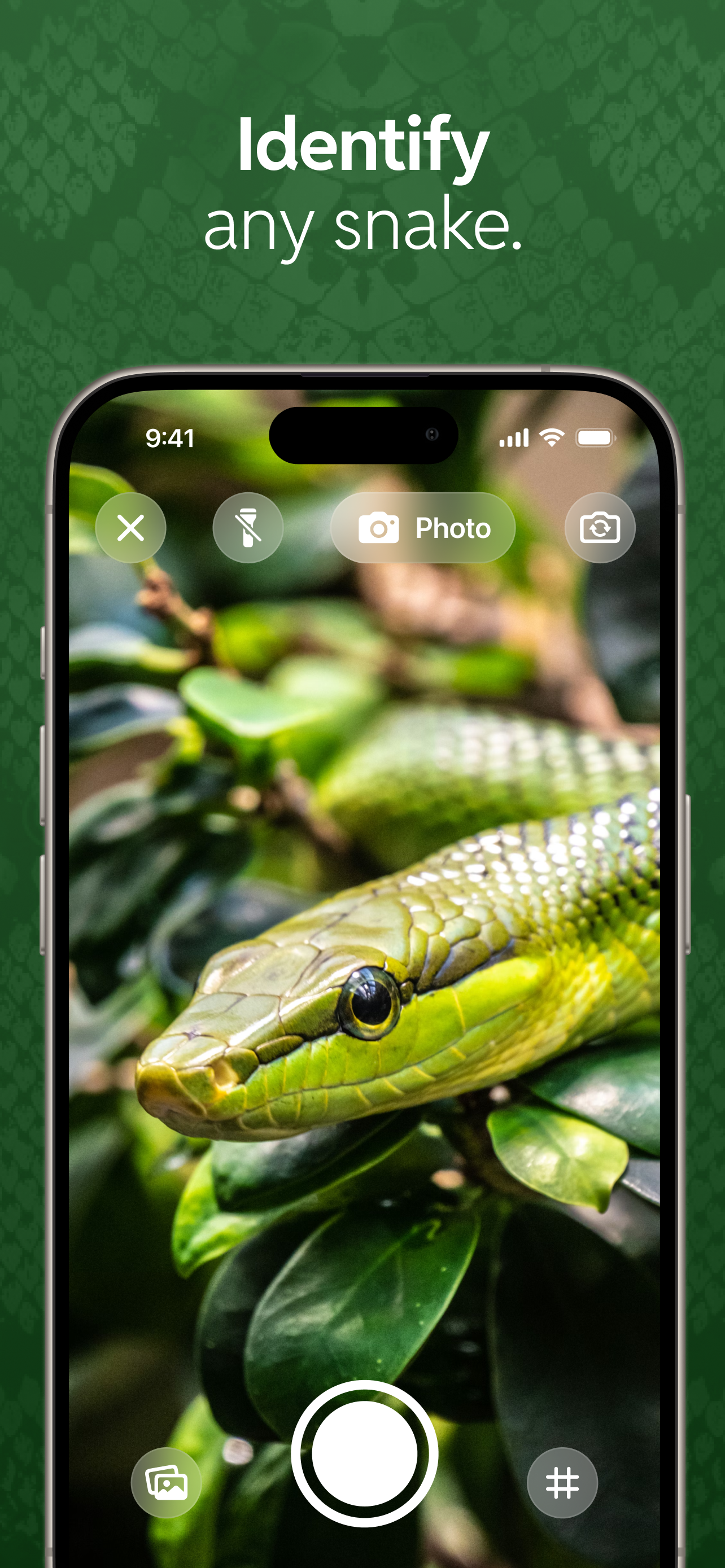
Identify Indian snakes from a picture in seconds. Spot the 'Big Four' before you move. Free snake identifier app for iOS and Android.


Educational aid only. Not medical advice. In emergencies, contact wildlife professionals or local emergency services.
India
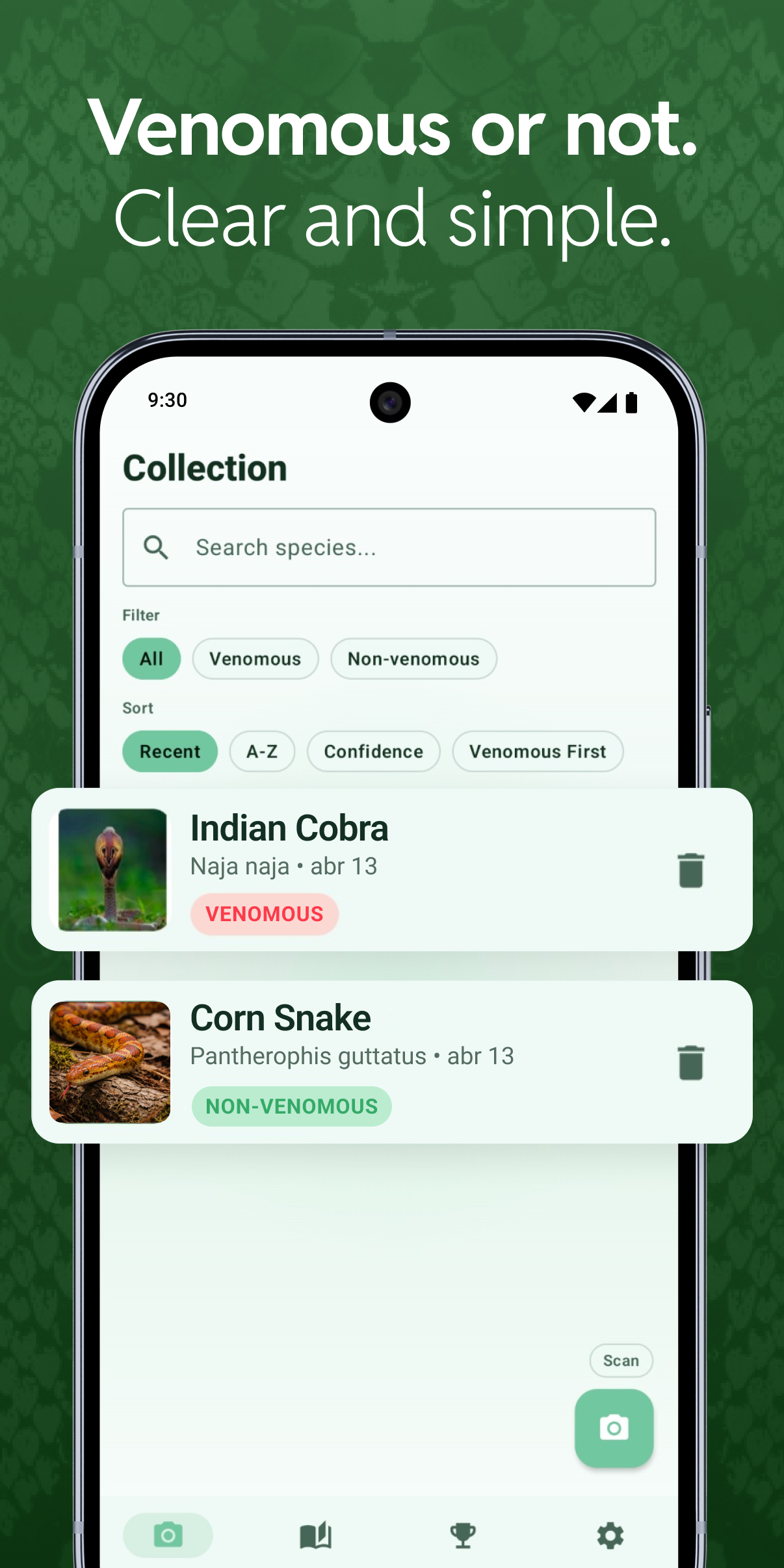
Most snakebite deaths in India are caused by the so-called 'Big Four': Indian cobra, common krait, Russell's viper, and saw-scaled viper. SerpentID is trained to identify these and many other species commonly seen across the subcontinent.
One of the 'Big Four'. Iconic hood, found across India in farmland, villages, and forests.
One of the 'Big Four'. Nocturnal and responsible for many indoor bites. Highly venomous.
One of the 'Big Four'. Heavy-bodied with chain-like markings. Responsible for a large share of bites in agricultural areas.
One of the 'Big Four'. Small but aggressive. Produces a distinctive rasping sound by rubbing its scales.
Longest venomous snake in the world. Found in forests of the Western Ghats and northeastern India.
Large non-venomous constrictor. Protected species, often misidentified as a dangerous snake.
Not in India? See the global page or the Australia page.
How It Works
01
Capture a clear snake picture in the field or upload from your gallery for instant analysis.
02
SerpentID returns confidence-based species options with visual traits so you can interpret the result with context.
03
Use the in-app guidance to reduce risk, keep distance, and decide when to contact a local professional.
Safety First
SerpentID is designed to support safer behavior, not risky interaction. You get confidence signals, clear reminders, and practical context before taking the next step.
Snake Guide
Keep using SerpentID to build a stronger understanding of species commonly seen in trails, yards, and work sites.
Explore snake species pages with practical context so you can better understand markings, habitats, and behavior patterns.
Use the app while hiking, camping, or working outdoors to review likely matches and make safer distance decisions.
Built around real questions like identify snake by picture and is this snake venomous, while keeping guidance easy to follow.
Platforms
Same snake identifier by picture experience on iOS and Android, with safety-first guidance built in.
Install SerpentID for iPhone and identify snakes from any picture.
Get SerpentID on Android to identify snakes by picture and review safety recommendations.
Field Notes
Browse short practical guides about species markers, safer photo capture, and what to do when confidence is high, low, or unresolved.
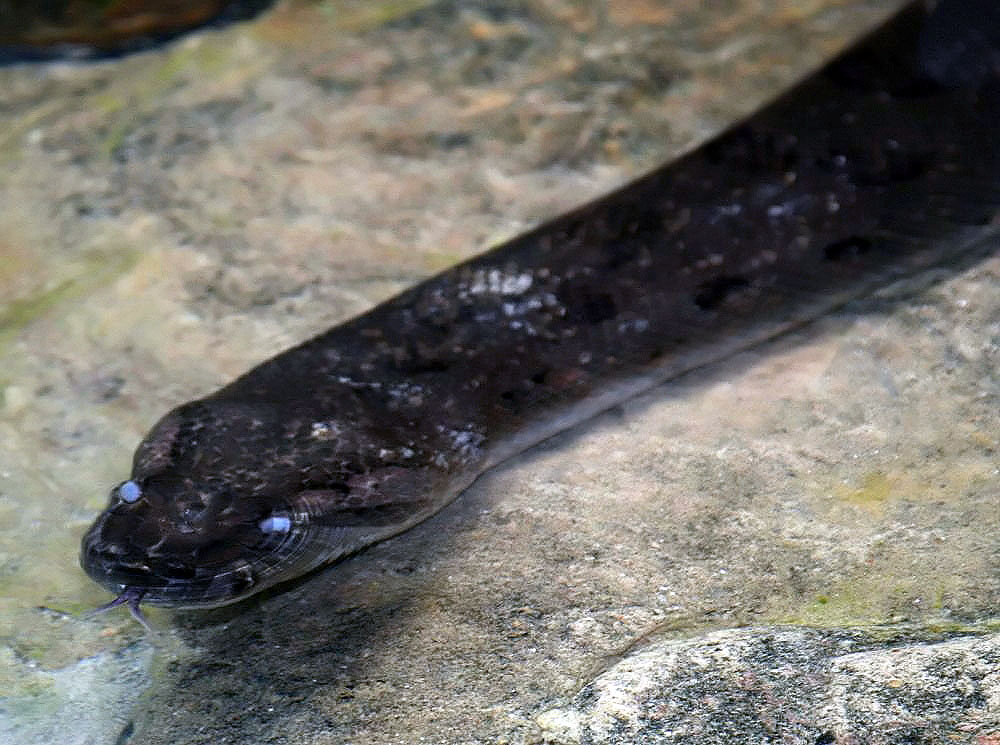
Photo: David J. Stang via Wikimedia Commons · CC BY-SA 4.0
While modern snakes are famous for their completely legless bodies, certain primitive species actually retain evolutionary remnants of their lizard ancestors, including pelvic bones and tiny claw-like hips. These vestigial structures, known as pelvic spurs, are still present in pythons, boas, and blind snakes. They serve as a fascinating biological link to a time when the ancestors of snakes walked on four legs.
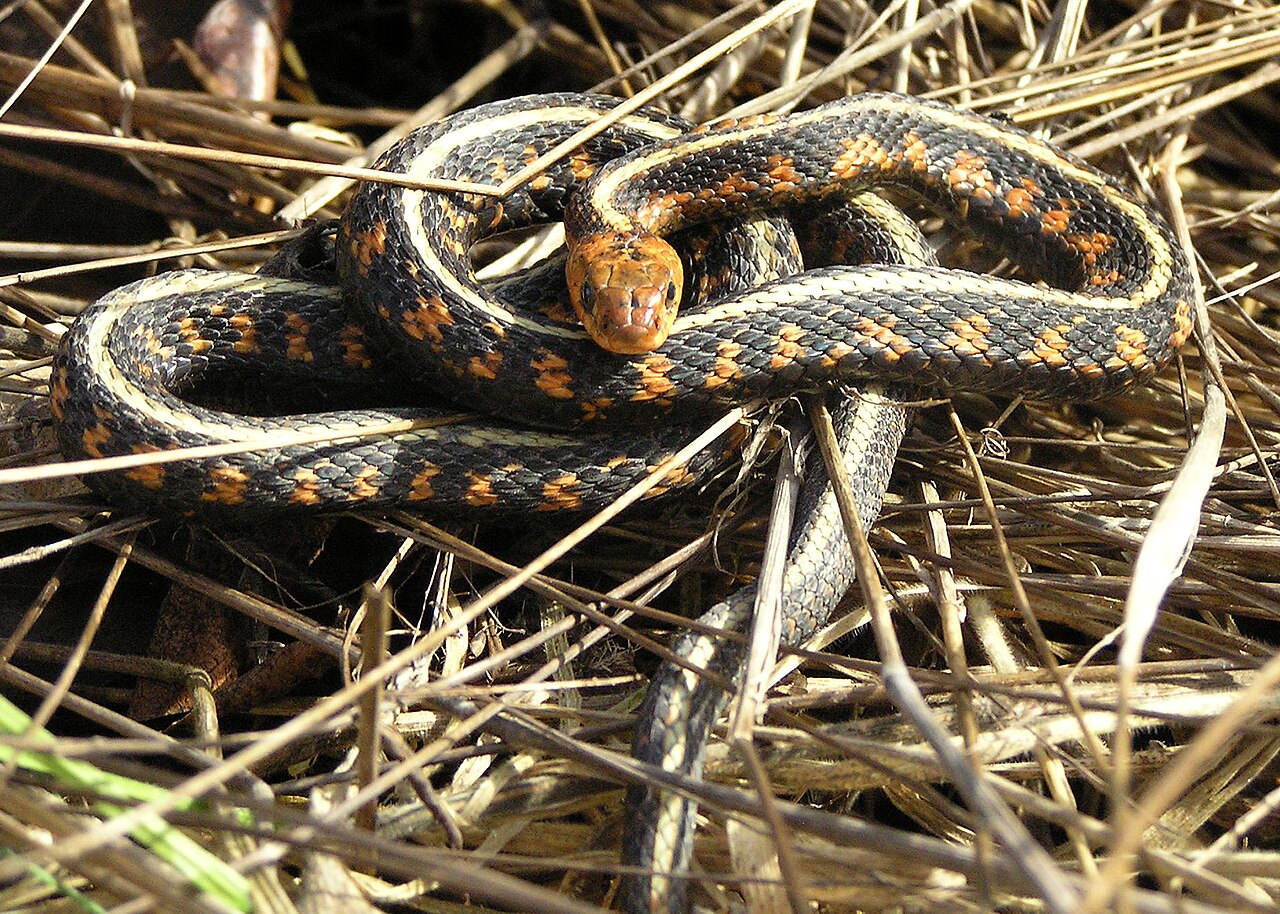
Photo: Oregon Department of Fish & Wildlife via Wikimedia Commons · CC BY-SA 2.0
If you find a snake inside your tent, remain calm, avoid sudden movements, and immediately create a clear exit path by unzipping the doors to the ground. Most snakes enter tents purely seeking shelter or warmth and will gladly slither away if given space and an unobstructed route. Step out of the tent safely and wait from a distance rather than attempting to touch, corner, or handle the animal.
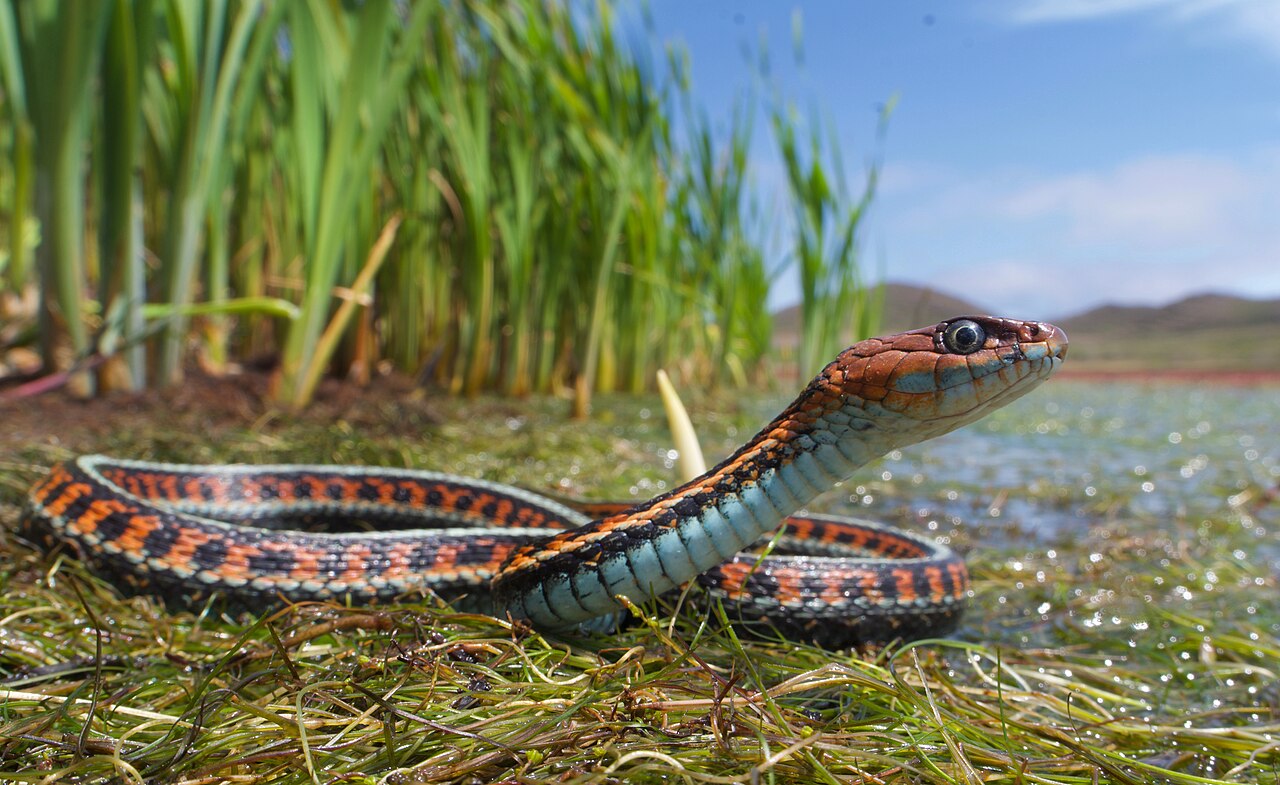
Photo: Dracoflight via Wikimedia Commons · CC BY 4.0
No, snakes do not eat plants, vegetables, or fruits. Every single one of the more than 3,000 snake species in the world is an obligate carnivore, meaning their bodies are biologically designed to digest only animal prey. If you see a snake in your garden, it is hunting for insects, rodents, or other pests, not nibbling on your plants.
FAQ
Yes. Open SerpentID, take or upload a picture of the snake, and the app returns the most likely species in seconds. It is free to download on iOS and Android and works with both new photos and ones already in your gallery.
Yes. SerpentID is a free snake identifier app available on the App Store and Google Play. You can identify snakes by picture and review species safety information without paying upfront.
Visual cues such as head shape, pupil shape, color pattern, tail markings, and body proportions can hint at venomous species, but no single trait is reliable across regions. SerpentID does this comparison automatically and flags potentially venomous results so you can keep a safe distance.
Move away from the snake, stay as calm and still as possible, remove tight clothing or jewelry near the bite, and call your local emergency number immediately. Do not cut the wound, apply ice, or attempt to suck out venom. SerpentID is an educational aid and is not a substitute for emergency medical care.
SerpentID returns confidence-based top matches rather than a single guess, because real-world photos vary in angle, lighting, and visible markings. Treat low-confidence results conservatively, keep a safe distance from any unknown snake, and contact local wildlife professionals when in doubt.
Yes. You can upload an existing picture or take a new one in the moment, which is useful when you want to review a sighting without moving closer to the snake.
A clear, well-lit picture that shows the body pattern, head, and as much of the snake as possible — taken from a safe distance — usually gives the best result. Avoid blurry zooms or risky close-ups.
SerpentID is an educational aid and does not replace professional wildlife handling, emergency response, or medical evaluation.