


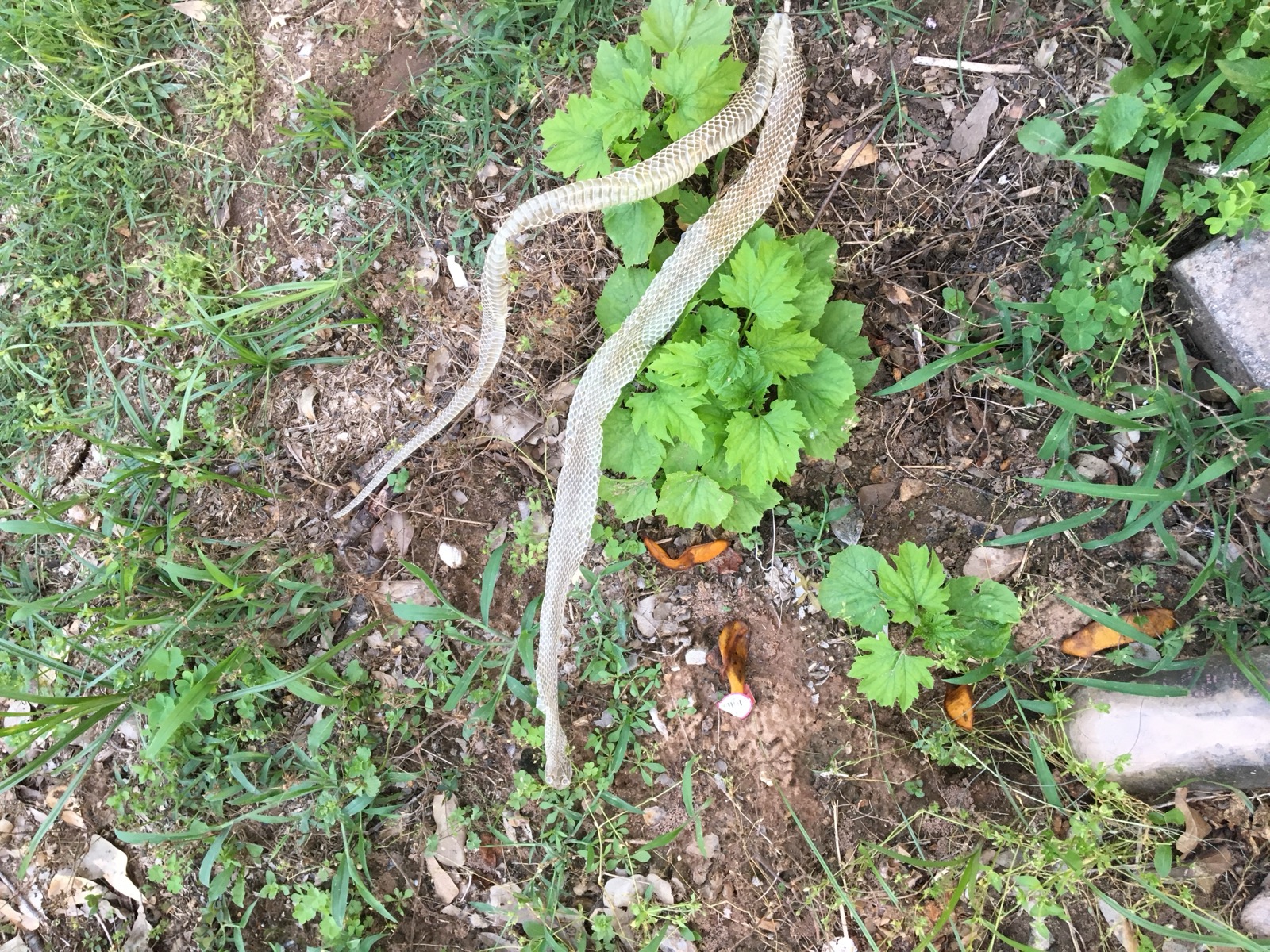
Why do snakes shed their skin comes down to one basic fact: a snake's outer skin does not stretch and grow the way ours does. The thin, scaly outer layer is essentially a fixed garment, so as the snake grows it eventually outgrows that layer and has to replace it. Shedding — properly called molting or ecdysis — is how a snake swaps the old, tight, worn outer skin for a new, larger one underneath.
Growth is the main driver, but it is not the only one. Shedding also lets a snake replace skin that has become scratched, worn, or colonized by mites and other parasites, and it allows damaged scales to be renewed. In that sense molting is both a way to grow and a way to stay healthy, which is why even fully grown adult snakes keep shedding throughout their lives rather than stopping once they reach adult size.
How often a snake sheds depends mostly on age and growth rate. Young, fast-growing snakes can shed every few weeks, while slower-growing adults often shed only a few times a year. Good feeding, warmth, and health speed growth and therefore shedding; cooler temperatures, fasting, illness, or the dormancy of winter slow it down. There is no single fixed schedule — the rate simply tracks how fast the animal is growing and how much wear the skin has taken.
The process unfolds over a week or two and has a tell-tale sign. Before a shed, a snake's eyes can turn cloudy or bluish as fluid builds up under the old skin over the spectacle that covers each eye. During this 'blue' phase the snake sees poorly, tends to hide, and is more defensive because it feels vulnerable. The eyes then clear, and a day or so later the snake rubs its nose against a rough surface to split the old skin and crawls out, usually leaving the shed inside-out in one connected piece if conditions were right.
Finding a shed skin in your yard is common and mostly reassuring information rather than a cause for alarm. It tells you a snake used that spot recently — typically somewhere with cover and a rough surface to anchor against — but the snake is usually long gone by the time you find the papery skin, and a single shed does not mean a 'nest' or an infestation. A clean, complete shed simply marks a healthy snake passing through; it is not evidence that a defensive animal is still coiled nearby.
A shed can even help with identification, because the scale pattern, rough or smooth texture, and relative size are preserved in the cast skin. That said, a shed is harder to read than a live animal and easy to misjudge. If you find a shed and want to know which species is living around your home, photograph any snake you can see from a safe distance and let SerpentID compare its markers against likely local species — then decide, based on the result, whether you are dealing with a harmless rodent-hunter or a species that warrants more caution.