


Snakes exhibit an astonishing array of patterns and colors, from subtle earth tones to vivid, contrasting bands. Far from being merely decorative, these intricate designs are crucial to a snake's survival, serving as sophisticated tools for navigating their world. These visual cues primarily function in three vital ways: helping snakes disappear from sight, signaling danger to potential threats, and sometimes even deceiving predators by mimicking more dangerous species. Understanding these patterns offers a fascinating glimpse into the evolutionary strategies that have allowed snakes to thrive in diverse environments across the globe.
The most widespread use of snake coloration is camouflage, enabling them to blend seamlessly into their surroundings. Many species display cryptic patterns like speckles, blotches, or stripes that break up their body outline, making them incredibly difficult to spot against leaf litter, rocky terrain, or grassy habitats. For example, a copperhead's hourglass markings perfectly mimic fallen leaves, while many desert snakes have sandy hues that match the dunes. This disruptive coloration is essential for both evading predators and ambushing unsuspecting prey, allowing the snake to remain hidden until the opportune moment.
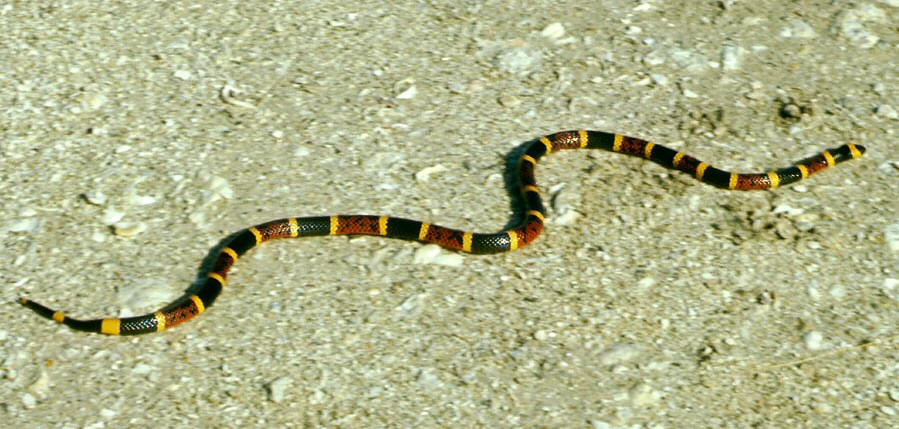
Conversely, some snakes employ bold, conspicuous patterns and colors as a warning signal, a phenomenon known as aposematism. Bright reds, yellows, and blacks arranged in distinct bands or blotches often advertise toxicity or venom. These "don't touch me" signals are a clear message to predators, indicating that the snake is dangerous or unpalatable. While not all brightly colored snakes are venomous, this strategy reduces the need for a snake to physically defend itself, as many predators learn to avoid such visual cues after a negative experience.
Building on the concept of warning coloration, some harmless snakes have evolved to mimic the patterns of dangerous venomous species, a clever survival tactic known as Batesian mimicry. Perhaps the most famous example is the mimicry between the highly venomous coral snake and several harmless species like the scarlet kingsnake or milk snake. By sporting similar red, yellow, and black banding, the non-venomous mimics gain protection from predators that have learned to avoid the truly dangerous snake. This visual deception highlights the power of patterns in the intricate dance between predator and prey.
Beyond these primary roles, snake patterns can serve other, less common functions. Darker colors can aid in thermoregulation by absorbing more sunlight, helping the snake warm up, while lighter colors might reflect it to prevent overheating. In some species, subtle patterns or color variations may play a role in mate recognition or territorial displays, though this is less documented than in other animal groups. It is also important to note that patterns can vary significantly even within the same species, influenced by factors such as age, geographic location, and individual genetics, which can sometimes make identification challenging.
Ultimately, the diverse patterns and colors found on snakes are not arbitrary; they are finely tuned adaptations that have played a critical role in their evolutionary success. Whether it's the mottled camouflage of a viper waiting in ambush or the vivid bands of a coral snake signaling danger, each pattern tells a story of survival. When you encounter a snake, appreciating its unique markings from a safe distance is key. If you need to identify a snake you've seen, remember that photographing it from a safe distance allows the SerpentID app to compare its markings against likely local species. If the snake is confirmed or suspected to be venomous, always contact your local wildlife services for expert assistance, ensuring both your safety and the snake's well-being.