


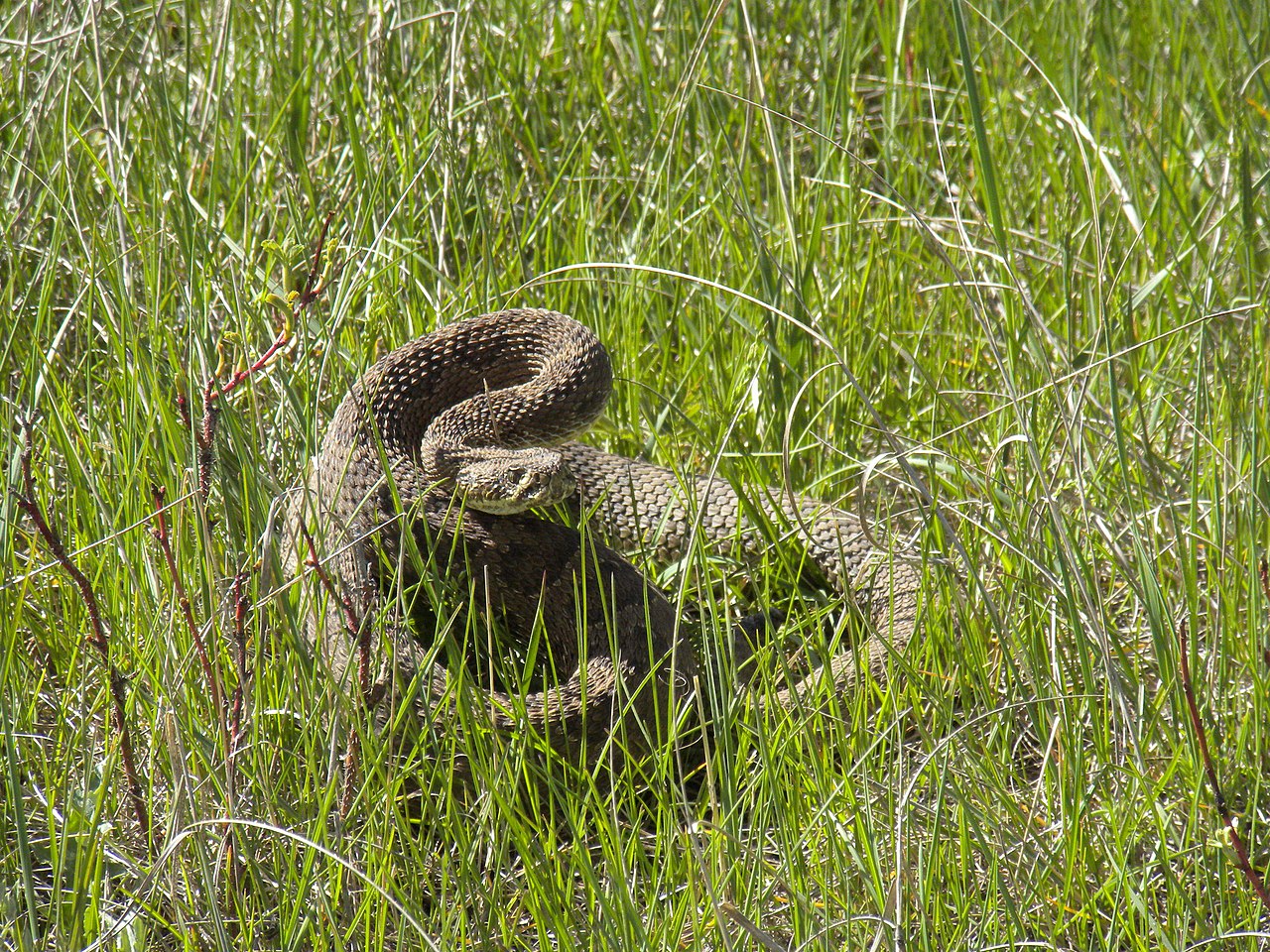
Coiling is one of the most recognizable postures for a snake, often sparking immediate concern or fear in observers. While it can signal a snake preparing to strike, coiling is a versatile behavior with multiple, often benign, purposes. Understanding why a snake coils up is crucial for interpreting its intentions and ensuring a safe interaction for both humans and the snake. It is rarely a sign of aggression towards people, but rather a response to its environment or internal needs.
One of the most common reasons a snake coils is for rest or thermoregulation. Like all cold-blooded animals, snakes rely on external sources to manage their body temperature. A tight coil minimizes surface area exposed to cold air, helping to conserve warmth, especially in cooler conditions or at night. Conversely, a looser coil can allow more skin exposure for basking in the sun and absorbing heat. In these instances, the snake's body will often appear relaxed, its head resting comfortably within the coils or on the ground, indicating a state of repose rather than alert readiness.
Snakes are often ambush predators, and coiling is an essential part of their hunting strategy. Many species will lie in a loose "S" or "strike" coil, perfectly positioned to launch forward and capture unsuspecting prey like rodents, birds, or amphibians that wander too close. In this posture, the snake's head is usually elevated slightly, and its neck is retracted into a tight curve, allowing for a rapid, powerful strike. When observing a snake in this specific coil, especially if it is still and focused, it is likely waiting for a meal, not actively seeking to engage with a human.
A coiled posture can also be a strong defensive display. When a snake feels threatened and cannot escape, it may coil tightly, often raising its head and upper body into an "S" shape. This makes the snake appear larger and more intimidating, and it positions the head for a potential strike if the threat persists. This defensive coil is usually accompanied by other warning signs such as hissing, tail rattling (in rattlesnakes), or jaw gaping. These are clear signals for an intruder to back away, indicating the snake feels cornered and is prepared to defend itself, not that it is inherently aggressive.
After consuming a large meal, snakes often coil up to aid in digestion. The act of digesting prey is a metabolically intensive process, and coiling allows the snake to conserve energy and maintain a stable body temperature while its digestive system works. This posture also offers protection, as a snake is more vulnerable and less mobile after a big meal. By coiling and remaining still, it can hide effectively from predators and avoid unnecessary energy expenditure during this critical period.
Interpreting a coiled snake's intent requires observing the full context of its behavior and environment. A relaxed coil in a sunny spot suggests basking, while a tense S-coil with a flicking tongue and raised head might indicate readiness to strike or defend. Other cues, like the presence of prey, nearby hiding spots, or the snake's overall demeanor, all contribute to understanding its actions. It is a common misconception that all coiled snakes are aggressive; in reality, most are simply resting, hunting, or trying to avoid a perceived threat.
Encountering a coiled snake can be startling, but the safest approach is always to give it space and observe from a distance. Never attempt to approach, handle, or provoke a snake, regardless of its posture, as even non-venomous species can bite defensively. If you encounter a snake and are concerned about its presence or identity, photograph it from a safe distance without disturbing it. The SerpentID app can then help you compare its markings against likely local species, allowing you to understand if it is a venomous species and whether you need to contact local wildlife services for assistance.