


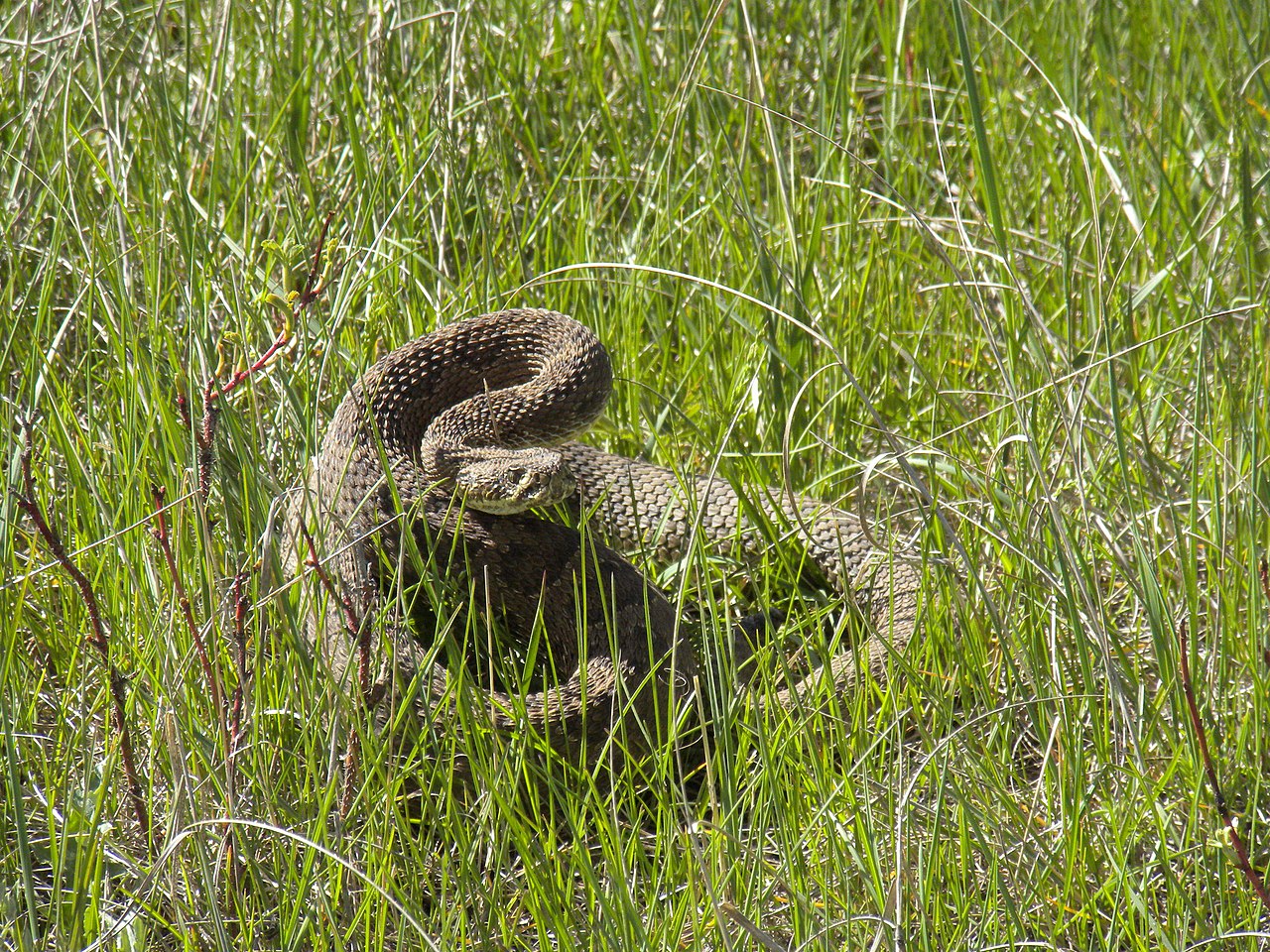
Many people fear snakes, often believing they are aggressive creatures looking to attack. However, this is a significant misunderstanding of snake behavior. Snakes are generally reclusive animals that prefer to avoid confrontation. When a snake does bite, it is almost always driven by one of two fundamental instincts: self-defense or, in rare cases involving humans, a mistaken predatory response. They do not hold grudges, seek revenge, or actively pursue people with malicious intent.
The vast majority of snake bites on humans are defensive. A snake bites in self-preservation when it feels threatened, startled, or cornered. This can happen if someone accidentally steps on a snake hidden in tall grass or leaf litter, tries to handle it, or approaches too closely. Before biting, many snakes will display warning behaviors, such as hissing, coiling their body into an S-shape, vibrating their tail (even if they don't have a rattle), or flattening their head. These are clear signals to back away, and ignoring them significantly increases the risk of a bite.
While snakes are predators, humans are far too large to be considered prey. Therefore, a snake will almost never bite a human with the intention of consuming them. Any predatory-like bite on a human is usually a case of mistaken identity. For instance, a pit viper, which can detect heat, might strike at a warm hand or foot that it perceives as a potential food source, especially if it's hidden and feeling vulnerable. These instances are exceedingly rare, but they highlight the importance of being aware of your surroundings and never reaching into areas you cannot see.
It is also important to understand that not all defensive bites from venomous snakes result in venom injection. These are known as "dry bites." Snakes can control the amount of venom they inject, and they may choose to conserve their precious venom for actual prey, especially if they perceive the threat as minor or if they have recently used their venom. While a dry bite can still be painful and cause anxiety, it underscores that even when a venomous snake bites defensively, its primary goal is often to deter rather than to envenomate. However, it is impossible to know if a bite is dry without medical examination, so all suspected venomous bites should be treated as envenomations.
Several factors can influence a snake's likelihood to bite, including its species, size, and even the ambient temperature. Cooler temperatures can make snakes more sluggish, while warmer conditions can make them more active and alert. A snake's temperament can also vary individually, but across the board, their instinct is to avoid conflict. Understanding that a bite is a last-resort defensive mechanism, rather than an act of aggression, can help reduce irrational fear and promote safer interactions.
To avoid snake bites, the most effective strategy is to give snakes space and avoid provoking them. Stay alert when walking in areas where snakes might be present, such as tall grass, rocky outcrops, or dense brush. Wear appropriate footwear, like closed-toe shoes or boots, and never reach into unseen areas. If you encounter a snake, simply back away slowly and give it a clear path to retreat. Most snakes will quickly move away if given the opportunity.
If you encounter a snake and are unsure of its identity, remember that maintaining a safe distance is paramount. Take a clear photograph from a respectful distance, and then use the SerpentID app to compare its markings against likely local species. If you suspect a snake is venomous or if a bite occurs, seek professional medical help immediately and contact your local wildlife services for guidance on safe removal or relocation. Never attempt to handle, approach, or kill a snake yourself.