


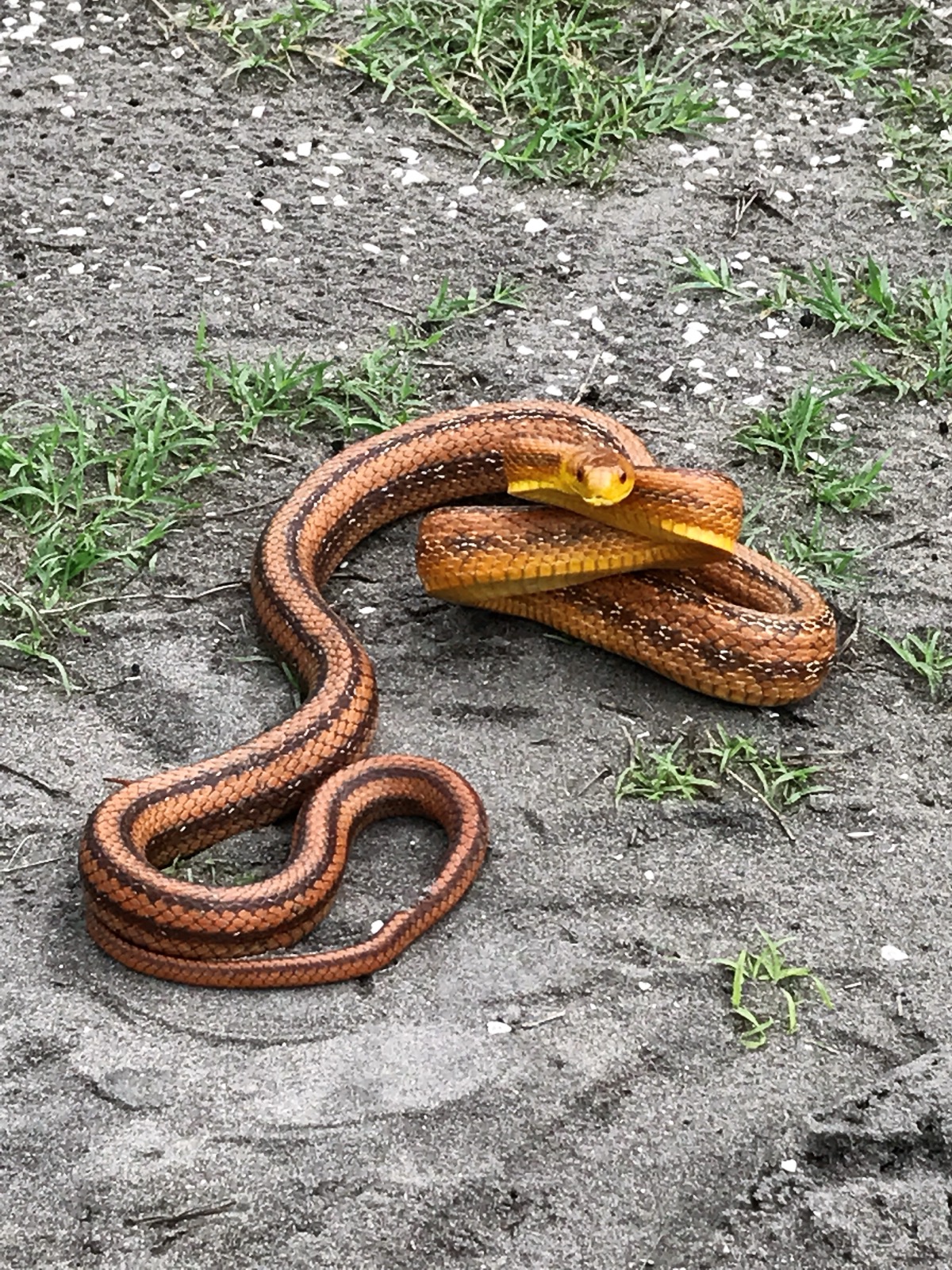
The sight of a snake can elicit a strong, immediate reaction in many people, ranging from mild unease to intense panic. This widespread phenomenon, often labeled ophidiophobia, is more than just a dislike; it's a deep-seated fear that can significantly impact a person's comfort in outdoor spaces or even their home. While a healthy respect for wildlife, especially creatures that can be venomous, is always prudent, the intensity of this fear often exceeds the actual threat posed by most snake encounters.
One prevailing theory suggests that human fear of snakes has deep evolutionary roots. For our ancestors in environments teeming with venomous snakes, a quick, instinctive fear response to serpents could have been a critical survival mechanism. Individuals who were wary of snakes were more likely to avoid dangerous bites and pass on their genes, hardwiring a predisposition to fear into the human psyche. This ancient warning system, while beneficial in ancestral times, can sometimes be overactive in modern settings where the actual threat is minimal.
Beyond evolutionary factors, cultural narratives and media portrayals play a significant role in shaping our perceptions of snakes. From ancient myths depicting serpents as symbols of evil or temptation to sensationalized news reports and horror films, snakes are often cast as menacing antagonists. These powerful cultural messages can reinforce and amplify any innate caution, transforming it into a full-blown phobia, even in areas where dangerous snakes are rare or non-existent.
Many fears are fueled by misconceptions about snake behavior. A common myth is that snakes are inherently aggressive and will actively chase or attack humans without provocation. In reality, snakes are generally shy, reclusive animals that prefer to avoid confrontation. Their primary defense mechanism is usually to remain still and camouflaged, or to flee if they feel threatened. A strike is almost always a last resort, deployed only when a snake feels cornered, stepped on, or directly harassed.
Understanding what typically motivates a snake's actions can significantly reduce fear. Snakes are driven by basic needs: finding food, seeking shelter, regulating their body temperature, and reproducing. When you encounter a snake, it is most likely on its way to or from one of these activities. They are not plotting an attack; they are simply trying to survive. Learning to recognize these natural behaviors helps to demystify snakes and shift perception from a malevolent threat to a creature simply existing in its environment.
Educating ourselves about the snakes native to our regions is a powerful tool against ophidiophobia. Knowing which species are venomous and which are harmless, understanding their habitats, and recognizing their defensive displays allows for informed, rather than fearful, reactions. This knowledge empowers individuals to react calmly and safely, rather than with panic, when an encounter occurs. It transforms an unknown, terrifying presence into a recognizable, predictable animal.
Encountering a snake, whether in your garden, on a hiking trail, or even indoors, can be startling. The best approach is always to maintain a safe distance and observe without disturbing the animal. If you are unsure about the species or its potential danger, a clear photograph taken from a safe distance can be invaluable. SerpentID can help you identify the snake quickly and accurately, providing peace of mind and guiding you on the safest next steps, whether it's leaving the snake alone or contacting local wildlife services if it's venomous or in an unsafe location.