


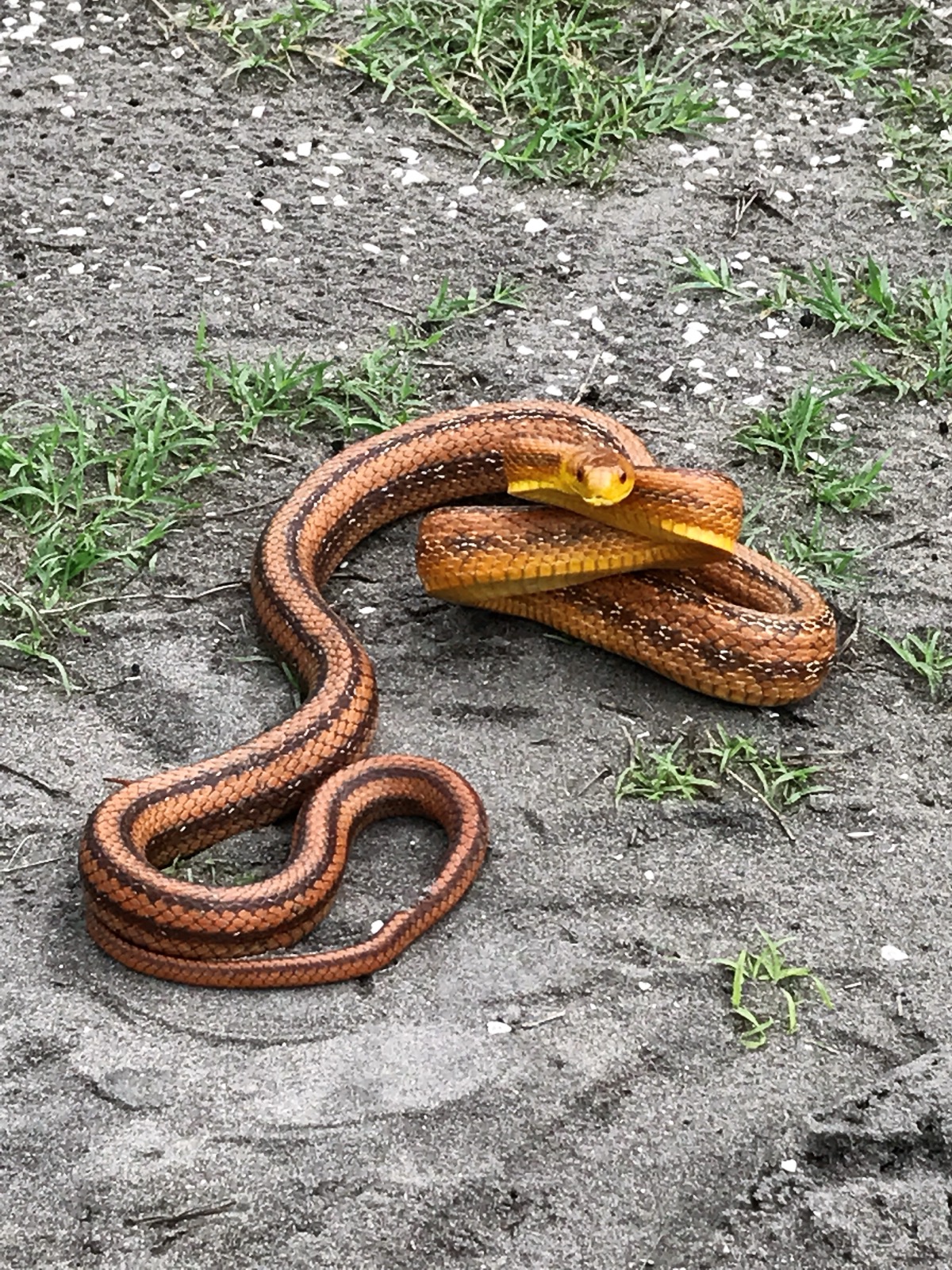
What time of year are snakes most active is a question that has a real answer, not just regional folklore. Snake activity is driven by temperature, humidity, prey availability, and reproductive cycles. In most temperate regions, activity rises sharply in mid-spring, peaks in early summer and again in early fall, and drops off through late autumn as ground temperatures fall. Knowing those windows lets you plan yard work, hikes, and pet routines around the highest-risk weeks instead of treating every warm day the same.
Spring (roughly March through May in the northern hemisphere) is when snakes emerge from brumation. They are often visible during the warmest parts of the day, basking on rocks, trails, sunlit roads, and the edges of cover. Activity is concentrated in mid-morning to mid-afternoon when surface temperatures are mild. Mating season for many species falls in this window, which increases visible movement as snakes search for partners and defend territory. This is a good time to inspect woodpiles, sheds, and crawl spaces before they get fully used for the summer.
Early summer (June through mid-July) is typically the highest-activity window for most North American species. Days are long, prey is abundant, and snakes are foraging actively. In hotter regions, daytime activity shifts toward dawn and dusk to avoid lethal surface temperatures — a snake that was visible at noon in May may only be visible at sunrise by late June. Plan trail work, gardening, and pet walks earlier in the day during this period and use a flashlight for any low-light walks around the home.
Late summer (mid-July through August) is when juveniles hatch and disperse, increasing the number of small snakes visible in yards and along trails. Baby snakes are easy to misidentify, and several venomous species are dangerous from birth. This is also the period when many regions see a second peak in snakebite cases, partly because of juvenile dispersal and partly because people spend more time outdoors at dusk when adult snakes are most active.
Early fall (September through October) is the second major activity peak in many regions. Snakes feed heavily before brumation, and males of some species move significant distances to overwinter sites. This is also the time of year when snakes start showing up in garages, basements, sheds, and crawl spaces as they look for stable shelter. Inspect foundation gaps, vent screens, and door sweeps before the first cold snap to reduce indoor encounters through the winter.
Late fall and winter activity depends heavily on latitude and elevation. In the southern United States, Mediterranean Europe, and most of the Australian mainland, snakes remain at least partly active year-round and warm days in January or February can produce sightings. In colder regions, brumation is genuine: snakes gather in communal dens, lower their metabolism, and remain inactive for months. That does not mean zero risk — disturbing a den site during yard work or construction can still produce close encounters.
Time of day matters as much as time of year. In mild weather, snakes are most active during the warmest hours. In hot weather, activity shifts to dawn, dusk, and night. In humid weather after rain, many species move more than usual. Track the local pattern in your area for a few seasons and you will start to notice when sightings cluster — that personal calendar is more useful than any generic chart.
SerpentID is most useful when you actually encounter a snake during these high-activity windows. A safe photo, calm framing, and a quick comparison against likely local species gives you a better decision than trying to identify from memory under stress. Use the seasonal pattern to plan ahead — gloves, closed shoes, cleared cover, and a slower pace around brush — and use the app to support the moment when planning is no longer enough.