


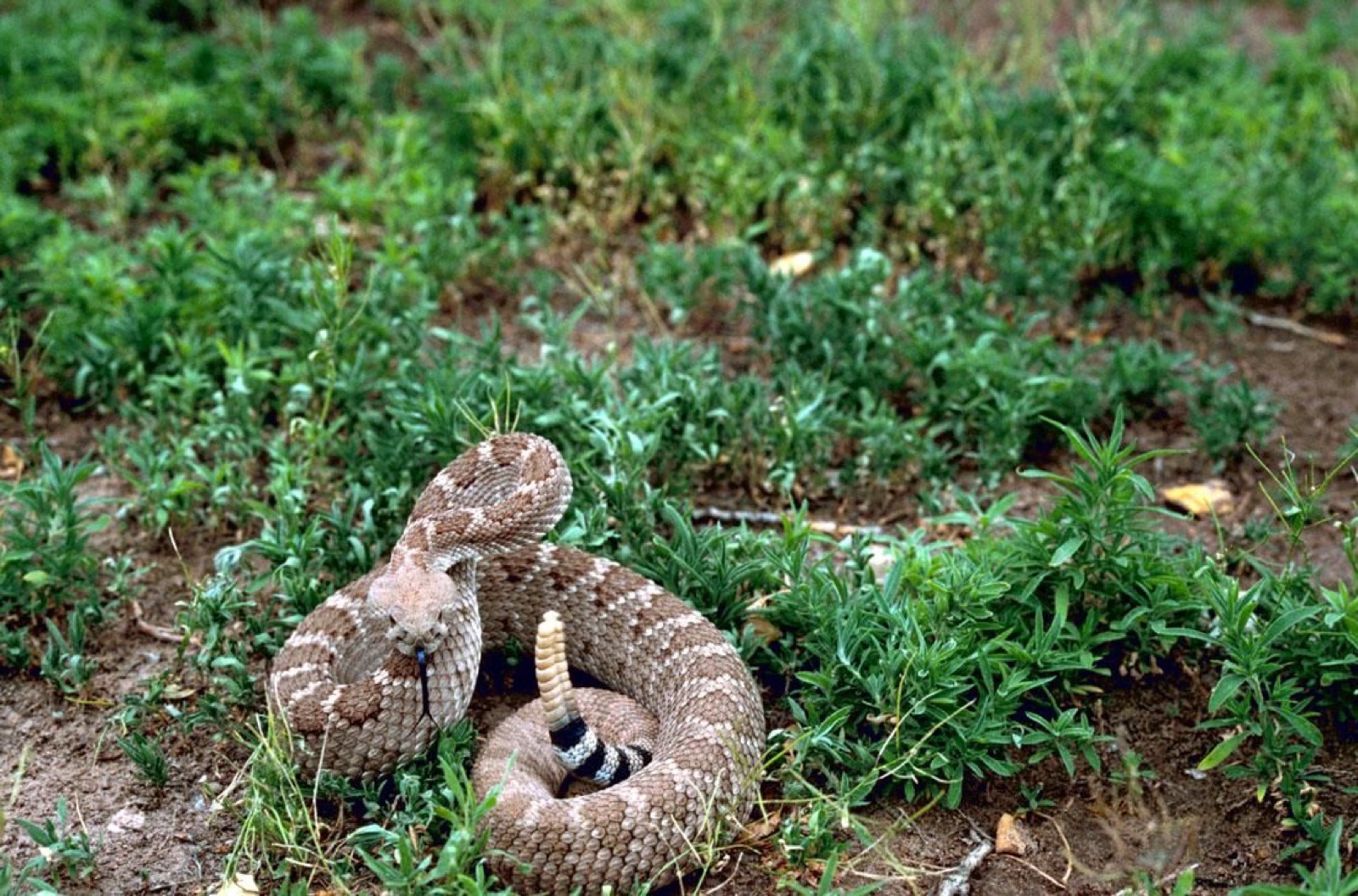
Most snakes are remarkably silent creatures, making little to no audible noise as they move through their environment. While popular culture often depicts snakes as constantly hissing or rattling, these sounds are typically defensive warnings, and many species never make them. Therefore, relying on sound to detect a snake's presence is an unreliable and potentially dangerous strategy.
One of the most recognizable snake sounds is the hiss, a sharp exhalation of air through the glottis, a slit-like opening in the snake's throat. Snakes typically hiss when they feel threatened, serving as a warning to potential predators or perceived dangers. Species like cobras, many rat snakes, and gopher snakes are known for their impressive hisses, which can vary in intensity from a quiet whisper to a startling blast, depending on the snake and the level of perceived threat. However, not all snakes hiss, and a silent snake is not necessarily a non-defensive one.
Another iconic snake sound is the rattle produced by rattlesnakes. This distinct sound comes from interlocking, hollow segments of keratin at the end of their tails, which vibrate rapidly to create a buzzing or whirring noise. The rattle is a highly effective warning signal, indicating the snake's presence and its desire to avoid confrontation. It is crucial to remember that a rattlesnake may not always rattle before striking, especially if it feels directly surprised or cornered. Furthermore, many non-venomous snakes, such as rat snakes and kingsnakes, will mimic this behavior by vibrating their tails rapidly in dry leaves or grass, creating a similar rustling sound.
Beyond hissing and rattling, other snake sounds are far less common and often subtle. Some larger constrictors, when agitated, might produce faint "chuffing" or "coughing" sounds as they expel air. Certain species, like the hognose snake, are known for a peculiar "cloacal popping" sound, which is produced by expelling air from their vent, often as part of a dramatic defensive display that includes playing dead. However, these sounds are generally not loud enough to serve as a reliable warning for humans and are rarely heard unless one is in very close proximity.
The vast majority of snake encounters involve no audible sounds at all. Snakes are masters of stealth, relying on camouflage, vibration detection, and their keen sense of smell (via tongue flicking) to navigate their world and locate prey. They do not typically vocalize for social communication or to announce their presence. This silent nature is a key survival strategy, allowing them to ambush prey and avoid predators unnoticed. Expecting a snake to make a sound before you see it is a dangerous misconception.
Because snakes are primarily silent, it is imperative not to rely on hearing as your primary defense. Instead, maintain visual awareness of your surroundings, especially when walking in tall grass, underbrush, or near rocky areas where snakes might hide. Always assume any snake you encounter is potentially dangerous and give it ample space. Keeping a safe distance allows you to observe its behavior without provoking a defensive reaction.
If you encounter a snake and are unsure of its species or whether it poses a threat, the safest course of action is to observe it from a significant distance. Take a clear photograph without approaching it further, and then use the SerpentID app to compare its markings against likely local species. If the snake is identified as venomous, or if you cannot identify it, contact your local wildlife services for safe and professional removal, or simply leave it undisturbed and allow it to move on. Never attempt to handle, approach, or harm a snake.