


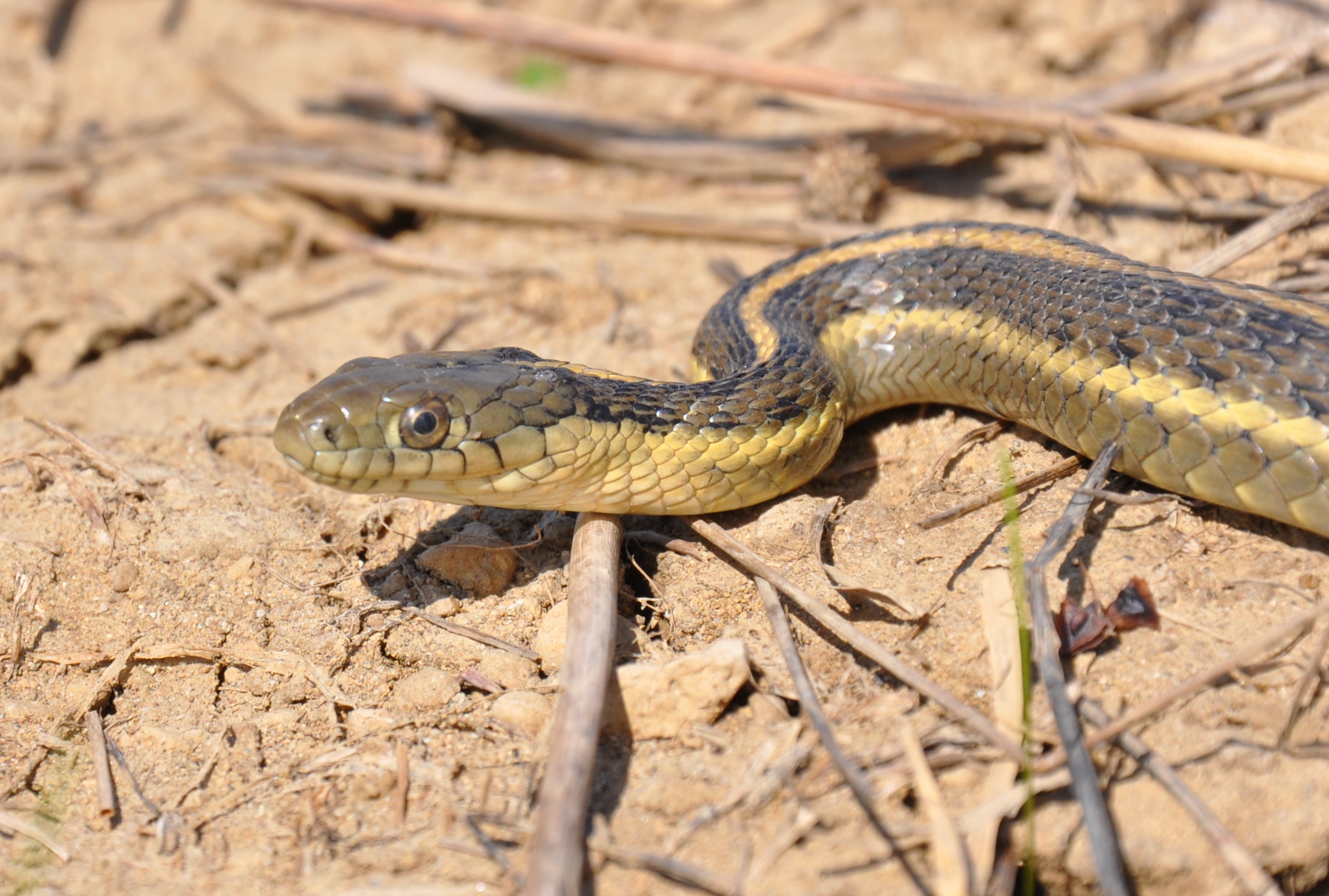
What smells do snakes hate is one of the most searched snake questions, usually by people hoping a bottle of something will keep their yard clear. The popular list includes cinnamon and clove oil, vinegar, garlic, ammonia, and commercial granules built around sulfur or naphthalene. The uncomfortable truth is that the evidence for most of these is weak: a few essential oils have shown some short-range deterrent effect in lab settings, but real yards are large, weather washes scents away fast, and a snake passing through is rarely stopped by a smell at the edge.
Snakes do not experience smell the way we do. They sample the air with their tongue and read it with the vomeronasal organ, which is tuned to track prey and other snakes rather than to recoil from kitchen spices. That is why strong odors people assume are unbearable often have little practical effect outdoors. Products that promise a scent barrier around an entire property are usually selling the idea of control more than a reliable result.
If a smell does anything useful, it is only in a small, enclosed, dry space — and even there it fades quickly and needs constant reapplication. Pouring ammonia, mothballs, or sulfur around a yard is not just ineffective at scale; some of these are toxic to pets, children, and the soil, which makes them a worse trade than the snake they are meant to deter. Spending money and effort here tends to give a false sense of safety while the real attractants stay untouched.
The change that actually lowers snake activity is removing what brings them in: food and cover. Snakes follow rodents, so controlling mice and rats matters more than any scent. Clear brush piles, trim tall grass, move firewood and debris off the ground, seal gaps under sheds and foundations, and keep bird seed and pet food from feeding a rodent population. A yard with less cover and less prey is simply less worth a snake's time, and that does more than any smell ever will.
If you do encounter a snake while working in the yard, skip the close inspection and take one photo from a safe distance. SerpentID can help you compare visible markers and narrow likely species so you know whether you are dealing with a harmless local or something that warrants caution. When confidence is low or the species could be venomous, give it space and contact local wildlife help instead of reaching for a spray bottle.