

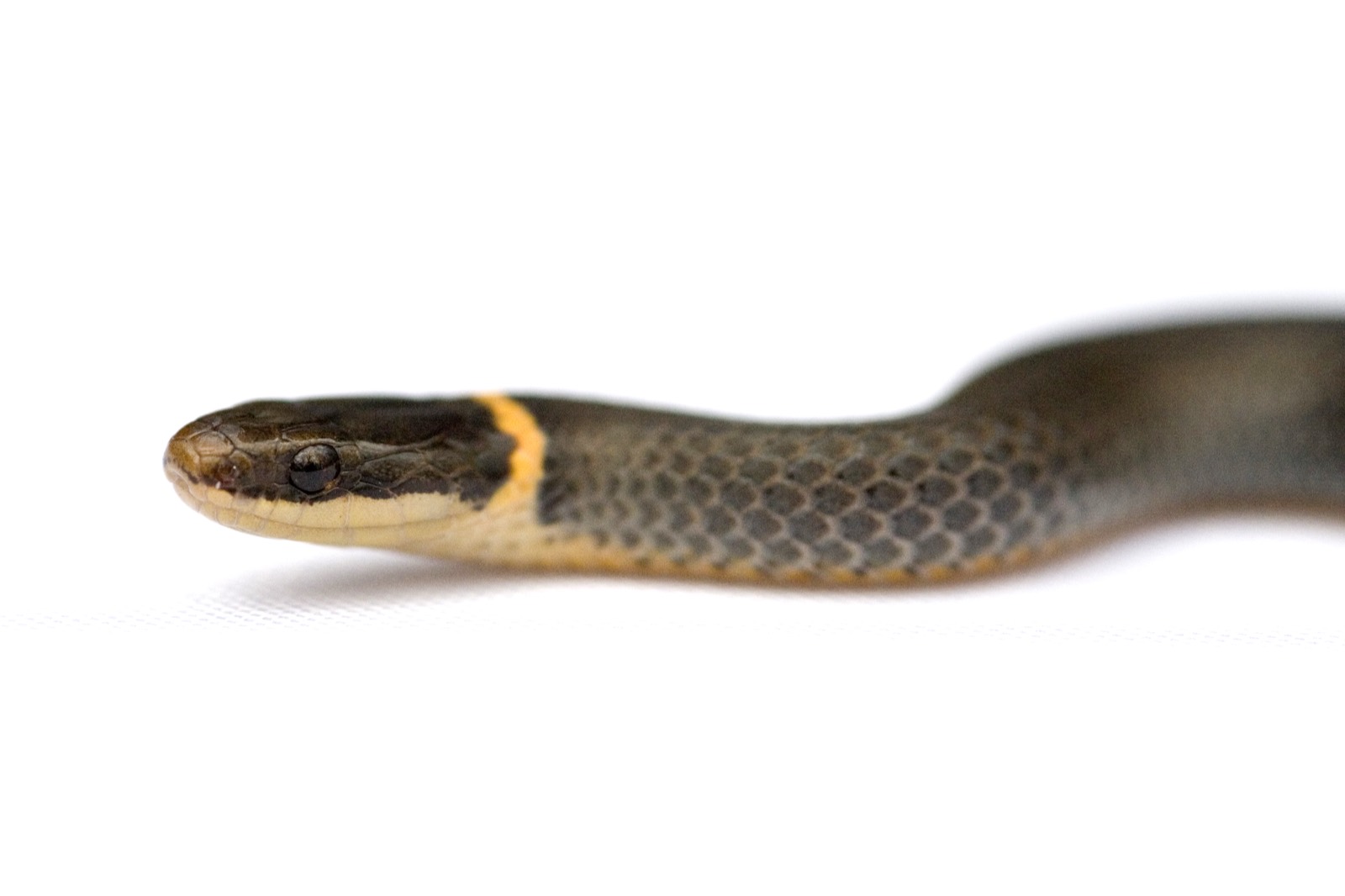
The title of the world's smallest snake is currently held by the Barbados Threadsnake, scientifically known as Tetracheilostoma carlae. Discovered in 2008 by Blair Hedges, a renowned herpetologist, this remarkable serpent typically measures a mere 4 inches (about 10 centimeters) in length and is as thin as a spaghetti noodle. Its discovery highlighted how much remains unknown even in well-studied regions, as this tiny creature had eluded scientific detection for centuries, living its life largely hidden beneath the surface of the small Caribbean island of Barbados.
These diminutive snakes belong to a group called threadsnakes (family Leptotyphlopidae), which are characterized by their slender bodies, smooth scales, and small, often barely visible eyes. The Barbados Threadsnake spends most of its life burrowing through loose soil, leaf litter, and under rocks, a lifestyle that keeps it safe from many predators and helps it find its preferred food source. Its diet consists primarily of the larvae and pupae of ants and termites, making it an important, if unseen, component of its ecosystem’s natural pest control.
While the Barbados Threadsnake holds the record, many other species of blindsnakes and threadsnakes across the globe share a similarly small stature and a largely subterranean existence. These include various species within the families Typhlopidae and Anomalepididae, often found in tropical and subtropical regions of the Americas, Africa, and Asia. Like Tetracheilostoma carlae, these tiny snakes are non-venomous and pose absolutely no threat to humans, preferring to avoid detection altogether. Their small size is an adaptation that allows them to thrive in specialized microhabitats, often feeding on soft-bodied invertebrates that larger predators ignore.
The evolutionary path to such small sizes is often driven by the availability of specific food sources and the need to occupy unique ecological niches. For many tiny snakes, burrowing deep into the substrate provides protection from extreme temperatures and desiccation, as well as from a wide array of predators. This cryptic lifestyle means they are rarely encountered by humans, and when they are, their resemblance to worms or other small invertebrates often leads to misidentification. Their small mouths and delicate jaws are perfectly suited for consuming the small insects and larvae that form their diet.
Studying these miniature serpents presents unique challenges for herpetologists. Their elusive nature and tiny size make them incredibly difficult to locate and observe in their natural habitats. Much of what is known about their biology comes from painstaking efforts to find them by sifting through soil and leaf litter. Despite their small stature, these snakes are just as complex and vital to their environments as their larger counterparts, contributing to nutrient cycling and population regulation of their prey species. Their existence underscores the incredible diversity and adaptability of snakes worldwide.
It is important to remember that the vast majority of small snakes encountered are harmless and non-venomous, like the threadsnakes and blindsnakes. Their small size and gentle disposition mean they are much more likely to flee or burrow away than to attempt a defensive bite, which would be ineffective against a human anyway. Unfortunately, their resemblance to larger, more feared species sometimes leads to unnecessary alarm, but a closer look usually reveals their distinct, non-threatening characteristics.
When you encounter any snake, regardless of its size, the safest approach is always to observe it from a respectful distance. If you're unsure about the species, take a clear photograph without getting too close, and use the SerpentID app to compare its markings against known local species. This allows for accurate identification without risk. If you suspect a snake is venomous or if it's in a problematic location, contact local wildlife services or a professional snake handler for safe removal, rather than attempting to handle it yourself.