


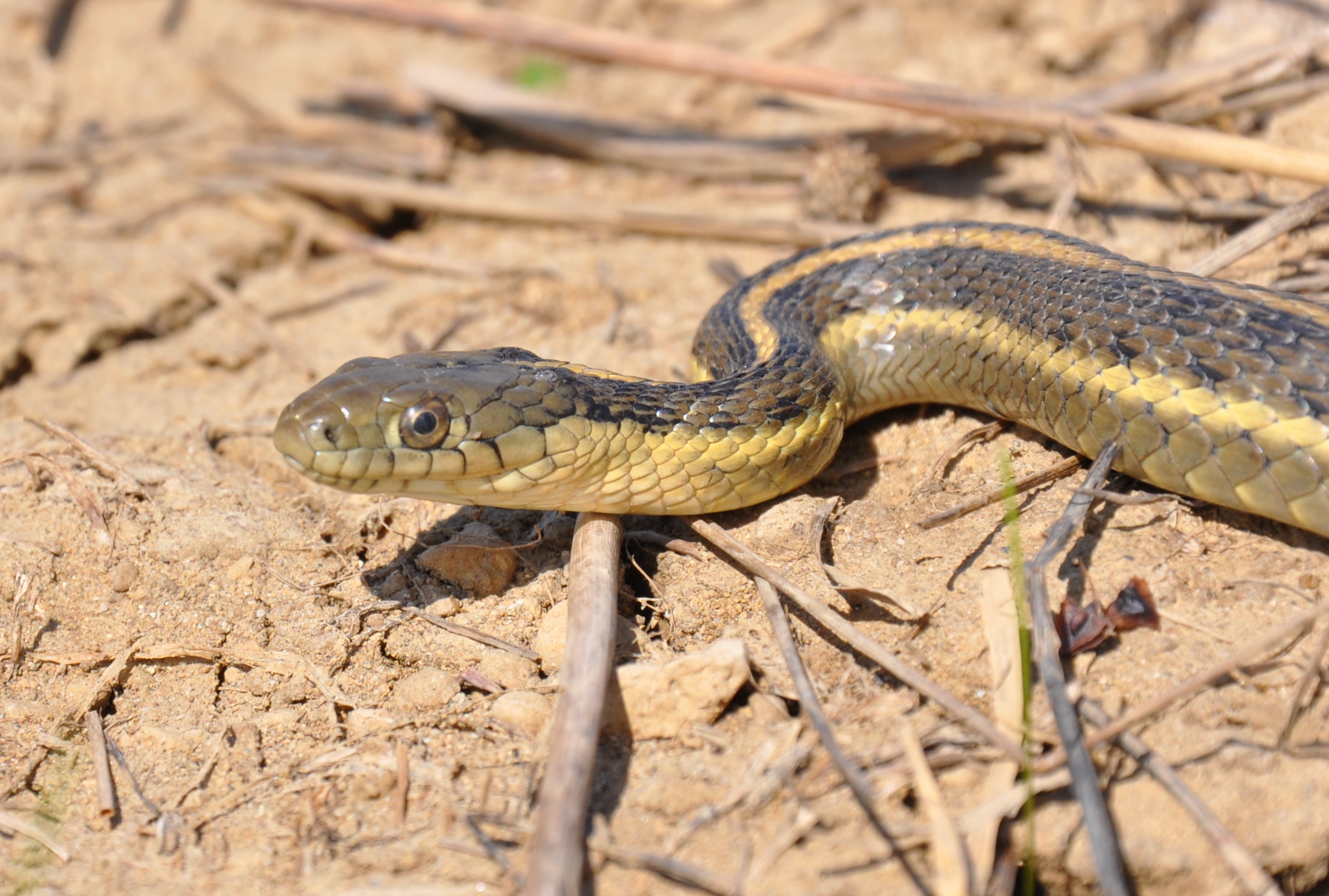
What attracts snakes to your yard is almost always a combination of three things: food, water, and places to hide. Snakes are not territorial in the way people imagine — they move through landscapes looking for prey and shelter, and a yard that offers both becomes a regular stop. The good news is that the same logic that draws them in also tells you exactly what to change. You rarely need repellents or poisons; you need to remove the reasons they keep coming back.
The first and biggest attractant is rodents. Mice, rats, voles, and chipmunks are the primary food source for most yard snakes, and a property with an active rodent population will draw snakes no matter what else you do. Bird feeders that spill seed, open compost, pet food left outside, and unsecured trash all feed rodents, which in turn feed snakes. Controlling rodents is the single most effective long-term step, and it addresses the cause rather than the symptom.
The second attractant is ground cover and clutter. Woodpiles, brush heaps, leaf litter, tall grass, dense ground-cover plants, stacked materials, and debris along fence lines all give snakes the cool, humid, hidden microclimate they prefer. Snakes use these spots to ambush prey, regulate temperature, and shelter from predators. Keeping grass short, clearing brush, and elevating woodpiles off the ground removes the hiding places that make a yard comfortable.
The third is water. Standing water, leaky spigots, overwatered gardens, ornamental ponds, and damp low spots attract both snakes and the frogs, toads, and insects some species eat. You do not have to drain a pond, but fixing leaks, improving drainage, and reducing unnecessary standing water lowers the overall appeal of the property — especially in hot, dry regions where any reliable water source concentrates wildlife.
The fourth through seventh items are the ones people overlook: gaps under sheds, decks, and foundations that create ready-made dens; rock walls and retaining walls that hold heat and offer crevices; dense mulch beds against the house that stay cool and moist; and overgrown edges where a yard meets a field, drainage ditch, or woodland. Each of these is a small invitation. Together they turn an ordinary yard into prime habitat.
Sealing entry points matters as much as removing attractants. Snakes follow rodents through gaps as small as a quarter inch, so inspect foundation cracks, vent screens, door sweeps, and the gaps where pipes and cables enter the home. Closing these does not just keep snakes out of the house — it interrupts the rodent highways that brought the snakes in the first place. Do the inspection in late summer and early fall, before cooling weather pushes wildlife toward shelter.
It helps to remember that most yard snakes are non-venomous and actively beneficial: a single rat snake or kingsnake suppresses rodents and, in the kingsnake's case, eats other snakes including venomous ones. The goal for most homeowners is not zero snakes but fewer surprises and lower risk near doors, play areas, and pet zones. Reducing attractants thins the population that passes through without resorting to measures that harm beneficial species.
If you do encounter a snake while clearing cover or sealing gaps, stop and identify it from a safe distance before deciding anything. SerpentID lets you compare a photo against common local species so you know whether you are dealing with a harmless rodent-eater worth leaving alone or a medically significant species worth calling a professional about. Pair that habit with steady attractant control and your yard becomes a place snakes pass through rarely instead of one they treat as home.