


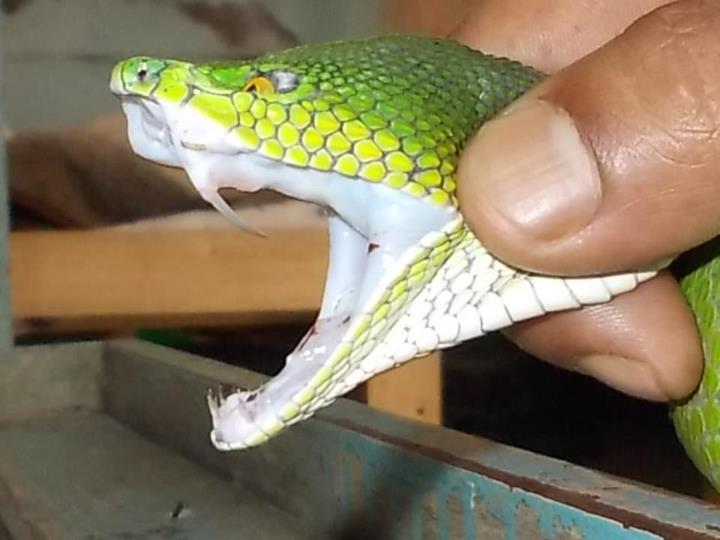
Snake venom is a highly specialized saliva, an evolutionary marvel used primarily for subduing and pre-digesting prey, and secondarily for defense. Far from being a simple poison, it is a complex biological mixture, a sophisticated cocktail of hundreds of different proteins, enzymes, and other organic and inorganic molecules. The exact composition varies not only between species but can also differ based on a snake's geographical location, age, diet, and even the time of year. This intricate variability is what makes each venomous snake bite a unique medical challenge, requiring specific and often rapid intervention.
One major category of snake venom is neurotoxic venom, which primarily targets the nervous system. These toxins interfere with nerve impulses, leading to paralysis, muscle weakness, and often respiratory failure. Victims of neurotoxic bites may experience blurred vision, drooping eyelids, difficulty swallowing, and progressive paralysis that can eventually affect the diaphragm, making breathing impossible without medical assistance. Snakes known for predominantly neurotoxic venom include elapids such as cobras, kraits, mambas, and sea snakes found across Asia, Africa, and Australia, as well as some coral snakes in the Americas.
Another significant type is hemotoxic venom, which primarily affects the blood and circulatory system. These venoms can cause extensive internal bleeding by destroying red blood cells, preventing blood clotting, or damaging blood vessel walls. Victims may experience severe pain, swelling, and bruising at the bite site, which can spread rapidly. Bleeding from gums, nose, or internal organs is also possible. Vipers, including rattlesnakes, copperheads, and cottonmouths in the Americas, and many adders in Africa and Asia, are well-known for producing venoms with strong hemotoxic components.
Cytotoxic venom, often overlapping with hemotoxic effects, is characterized by its ability to cause direct tissue destruction and cell death. This leads to localized necrosis, which is the death of cells and tissues around the bite area, resulting in severe pain, swelling, blistering, and potentially permanent tissue damage. The enzymes in cytotoxic venom break down proteins and other biomolecules, effectively starting the digestion of the prey from the inside out. While many vipers exhibit strong cytotoxic effects, some cobras also possess components that contribute to significant local tissue damage.
It is important to understand that these categories are not always mutually exclusive or perfectly distinct. The venom of many snakes contains a blend of neurotoxic, hemotoxic, and cytotoxic components, though one type may be dominant. For instance, some vipers may have neurotoxic elements, while some elapids can cause significant local tissue damage alongside their neurotoxic effects. This complexity underscores why it is crucial to avoid generalizations about venom types based solely on a snake's family or appearance, and to always treat any suspected venomous bite as a serious medical emergency.
The diverse and complex nature of snake venoms highlights the incredible adaptability of these reptiles. For humans, understanding these differences is less about self-diagnosis and more about appreciating the biological marvels and the inherent dangers. If you or someone you know is bitten by a snake, the most critical step is to seek professional medical help immediately. Attempting to identify the snake from a safe distance, perhaps by taking a clear photograph without approaching it, can provide invaluable information to medical professionals. The SerpentID app can assist in identifying the species by comparing markings against likely local species, helping to guide treatment if the snake is venomous and local wildlife services need to be contacted for its safe removal.