


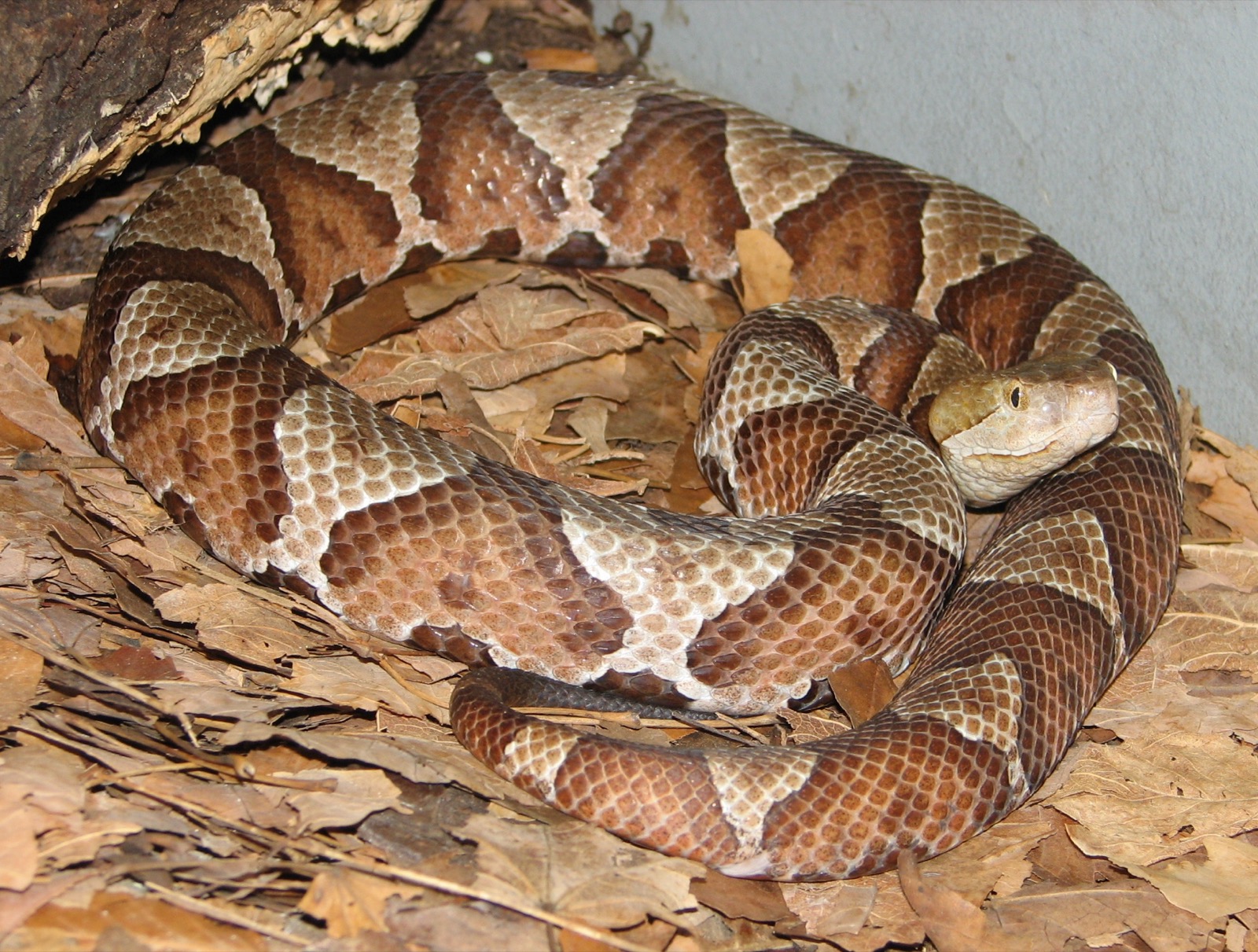
Snake bite on dog what to do is one of the most searched pet emergencies of the warm season, and the wrong instincts — washing the wound, applying ice, trying to suck out venom, or waiting at home to 'see how the dog feels' — all cost time that antivenom and supportive care will need later. Treat any suspected snakebite on a dog as an emergency vet visit, even if the dog seems fine in the first ten minutes. Many envenomations have a delayed peak.
First, get the dog away from the snake without putting your own hands in the strike zone. Pick the dog up only if the snake is no longer near you and you can carry the animal safely. Restrict movement as much as possible — carry small dogs, walk large dogs slowly on a short leash to the car. Excitement and exercise accelerate venom distribution, so the calmer the dog stays, the better.
Call the nearest emergency veterinary hospital while you drive. Tell them you suspect a snakebite, give the dog's approximate weight, describe where the bite is if visible (face and front legs are most common), and ask whether they stock antivenom. Not every clinic carries it, and a few extra minutes choosing the right destination is much better than arriving somewhere that has to transfer you. If you safely photographed the snake from a distance, mention that — species hints can shape the treatment plan.
Do not apply a tourniquet, cut the bite site, ice the swelling, give human pain medication, or wash the area aggressively. Aspirin and ibuprofen can worsen bleeding from hemotoxic venom; topical washing rarely removes meaningful venom and wastes the window when you should already be on the road. Remove the collar if the bite is on the head or neck so airway swelling is not made worse by pressure.
Common signs to mention at the clinic include sudden swelling at the bite site, two puncture marks (often hidden in fur), drooling, weakness or wobbling, pale gums, bloody urine, vomiting, or sudden collapse. Symptoms can develop over 30–60 minutes for pit viper bites and faster for elapid (coral snake) bites. Note the time of the bite if known, since clinicians track progression from that moment.
SerpentID can help compare a safe photo against likely local species, which is genuinely useful information to share with the veterinary team — antivenom selection differs between pit vipers, coral snakes, and harmless lookalikes. But identification is secondary to transport. Even a confirmed non-venomous bite still needs medical evaluation for infection, especially around the face. After the emergency, walk the property to find where the encounter happened and reduce the cover, woodpiles, or rodent activity that made the area attractive.