


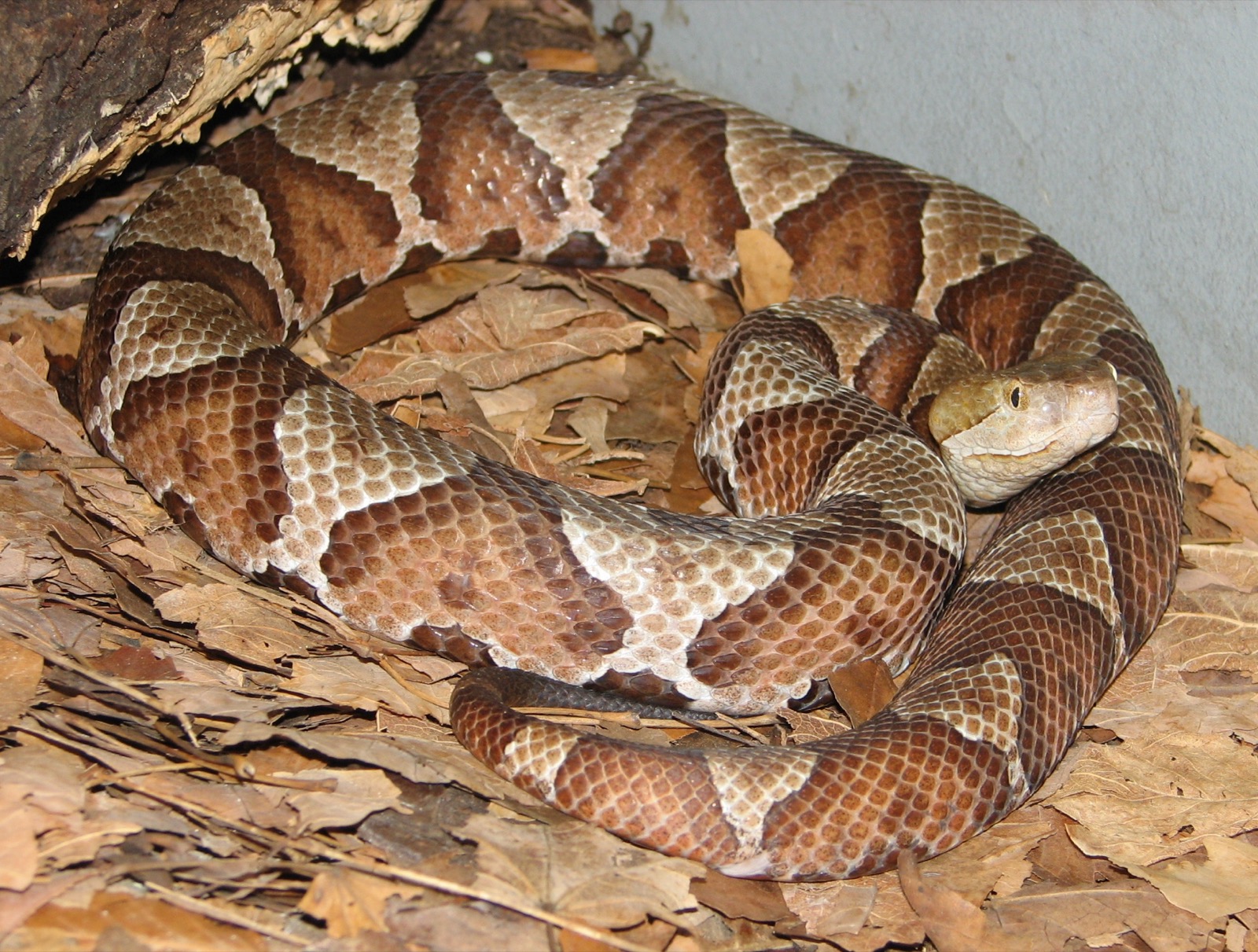
Snake bite first aid has been taught incorrectly for decades. The cut-and-suck method, rubber tourniquets, ice packs, and electric shock therapy were all recommended in mainstream guides at various points and are now known to cause additional harm. If you or someone near you is bitten by a snake, the correct response in the first 30 minutes is much simpler than those outdated protocols — and that simplicity makes it easier to follow under stress.
Move away from the snake immediately and do not attempt to catch or kill it. A dead snake can still deliver a reflexive bite. If you have a phone, take one photo from a safe distance — species identification will help emergency responders select the appropriate antivenom, but it is secondary to your own safety. Call emergency services or get to an emergency room as fast as possible. Antivenom is the only effective treatment for serious envenomation, and it is only available at medical facilities.
While waiting for or traveling to medical help, keep the bitten limb below heart level and as still as possible. Remove any jewelry or tight clothing from the affected area in case swelling begins. Do not eat or drink anything, as some bites require surgery or sedation. Mark the time of the bite and the edge of any swelling with a pen so medical staff can track progression. Stay calm — elevated heart rate accelerates venom spread.
Do not apply a tourniquet, cut the wound, apply ice, or attempt to suck out venom by mouth or with a suction device. These actions either concentrate tissue damage or provide no benefit while delaying proper care. Do not apply electric shock — this was discredited completely. Do not give aspirin or ibuprofen, which can worsen bleeding in hemotoxic envenomations. Acetaminophen is safer if pain relief is needed before reaching the hospital.
SerpentID can help identify the species from a photo taken at safe distance, which is genuinely useful information for emergency responders assessing antivenom options. However, identification should never delay transport. Even if the bite appears to come from a non-venomous snake, any puncture wound should be evaluated medically due to infection risk. When in doubt, treat every bite seriously until a physician confirms otherwise.