


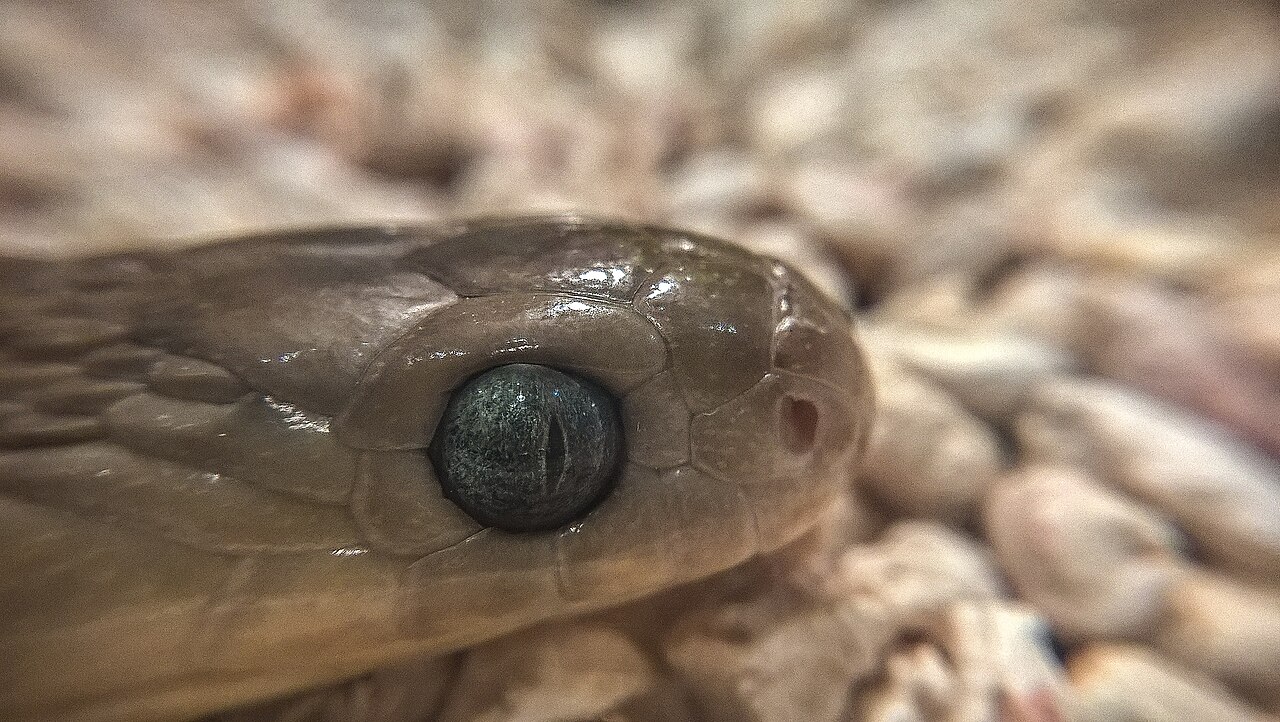
When encountering a snake, one of the first and most urgent questions people often have is whether it is venomous. This understandable concern has led to the spread of many supposed rules of thumb for identification, such as looking for a triangular head, slit pupils, or specific color patterns. While these characteristics can be present in some venomous species, they are far from universal and relying on them can be dangerously misleading. Many harmless snakes can mimic these traits, and some highly venomous snakes do not exhibit them, making these "rules" unreliable for accurate identification.
The idea that all venomous snakes have a distinct triangular head is a pervasive myth. While pit vipers like rattlesnakes, copperheads, and cottonmouths do possess broad, triangular heads due to venom glands, many harmless snakes can flatten their heads when threatened to appear larger and more intimidating, thus mimicking this shape. Similarly, the belief that venomous snakes have slit pupils while non-venomous ones have round pupils is also flawed. While many nocturnal pit vipers do have vertical, elliptical pupils, some highly venomous species, such as cobras, mambas, and coral snakes, have round pupils. Conversely, some harmless snakes may have pupils that appear elliptical in certain lighting conditions. These visual cues require approaching a snake far too closely to confirm, which is never advisable.
The most reliable way to identify whether a snake is venomous is to learn the specific species native to your region and their consistent, unique markings and behaviors. For example, in North America, the presence of a rattle at the end of a tail is a definitive sign of a rattlesnake. In India, recognizing the distinct hood of a cobra or the specific patterns of a krait, Russell's viper, or saw-scaled viper is key. In Australia, knowing the distinct body shape and scale patterns of local elapids, such as the brown snake or tiger snake, is far more effective than relying on general rules. This local, species-specific knowledge eliminates guesswork and provides concrete identification markers.
Observing a snake's behavior from a safe distance can also offer clues, though it should never be the sole basis for identification. Defensive behaviors like hissing, coiling into an S-shape, or vibrating the tail (even if no rattle is present) are warnings that the snake feels threatened. While these actions are more common in venomous species, many non-venomous snakes will also display them when cornered or frightened. A snake's willingness to hold its ground rather than flee might indicate a more defensive posture often associated with venomous species, but again, this is not a universal rule and should be interpreted with extreme caution.
It is also important to debunk other common misconceptions, such as linking a snake's size, age, or general color to its venomousness. Baby snakes of venomous species are just as venomous as adults, if not more so due to less control over venom delivery. Similarly, color patterns can vary widely within a single species, and many harmless snakes share similar coloration with venomous ones through mimicry. For instance, the brightly colored coral snake is venomous, but several non-venomous snakes, like milk snakes and kingsnakes, mimic its warning colors, making simple color rules unreliable without knowing the specific pattern sequence.
Ultimately, the safest approach to snake identification is to prioritize distance and observation over close inspection of unreliable features. Never attempt to handle or provoke a snake, regardless of whether you believe it to be venomous or not. Snakes are wild animals and will defend themselves if they feel threatened. Always assume a snake could be venomous if you are unsure, and maintain a respectful distance to ensure your safety and the snake's well-being.
If you encounter a snake and need to identify it, the best course of action is to photograph it from a safe distance, making sure to capture clear images of its head, body, and tail without getting too close. You can then use the SerpentID app to compare its markings against likely local species. If the snake is identified as venomous, or if you cannot identify it, contact local wildlife services or a professional snake removal expert immediately. Never attempt to remove or kill a snake yourself.