


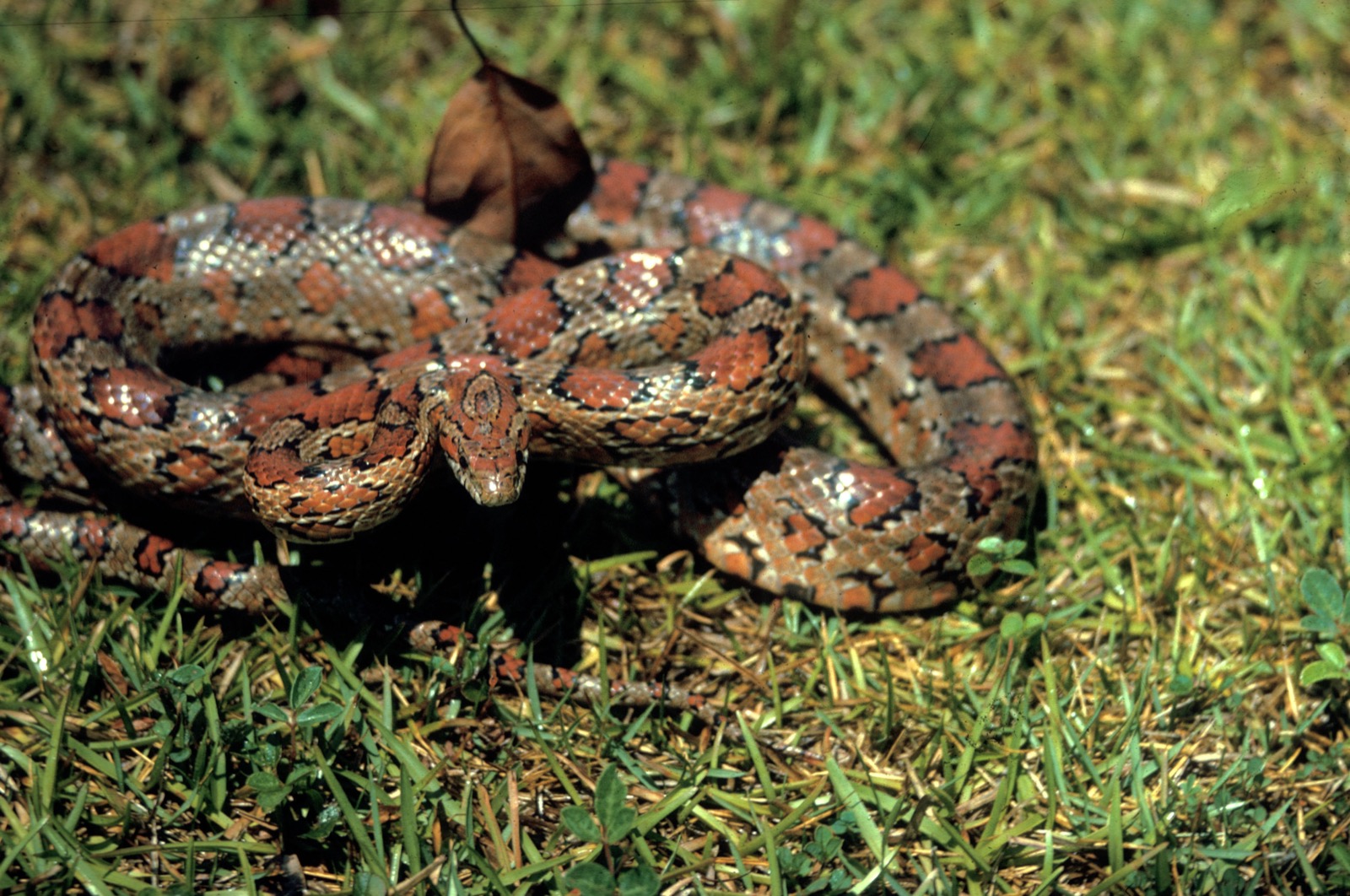
How long do snakes live has two very different answers depending on where the snake lives. In the wild, the harsh truth is that most snakes die young — predators, vehicles, weather, disease, and the simple difficulty of finding food mean a large share of hatchlings never reach their first or second year. But a snake that survives those early dangers and reaches adulthood can live a surprisingly long time, often a decade or more.
For the common species people meet around homes, typical wild lifespans run from a few years up to the teens. Garter snakes that beat the odds may live several years; rat snakes, kingsnakes, and many other mid-sized species can reach 10 to 15 years; and larger or longer-lived species can push beyond that. These are realistic adult lifespans, not guarantees — the average snake's life is much shorter because so many die before maturing.
Captivity tells a different story, and it reveals what snakes are biologically capable of when the dangers are removed. With steady food, controlled temperature, veterinary care, and no predators, pet and zoo snakes routinely outlive their wild relatives. Corn snakes and ball pythons commonly live into their 20s or 30s in good care, and a handful of large constrictors and well-kept individuals have reached 40 years or beyond. The gap between wild and captive lifespan is mostly about risk, not about a different kind of animal.
Several factors set where a given snake falls in that range. Body size is a big one — larger species generally live longer than small ones. Metabolism matters too: because snakes are ectothermic and can fast for long periods, they age slowly compared with similarly sized mammals. Climate, food availability, and luck with predators do the rest, which is why two snakes of the same species can have very different life expectancies depending on where they live.
For homeowners this has a quiet implication. A snake that has settled into good habitat near your home may not be a one-season visitor; if the conditions are right, the same individual can return year after year for many years. That is another reason the durable fix for unwanted snakes is changing the habitat — removing rodent food, cover, and shelter — rather than waiting for a snake to simply age out of the area, which can take far longer than people expect.
Lifespan does not tell you whether a particular snake is harmless or venomous, and that is the question that actually shapes how you should respond. If a snake is living around your property, photograph it from a safe distance and let SerpentID compare its markers against likely local species — so you know whether you are sharing the yard with a long-lived, beneficial rodent-hunter or a species that warrants a call to local wildlife help.