


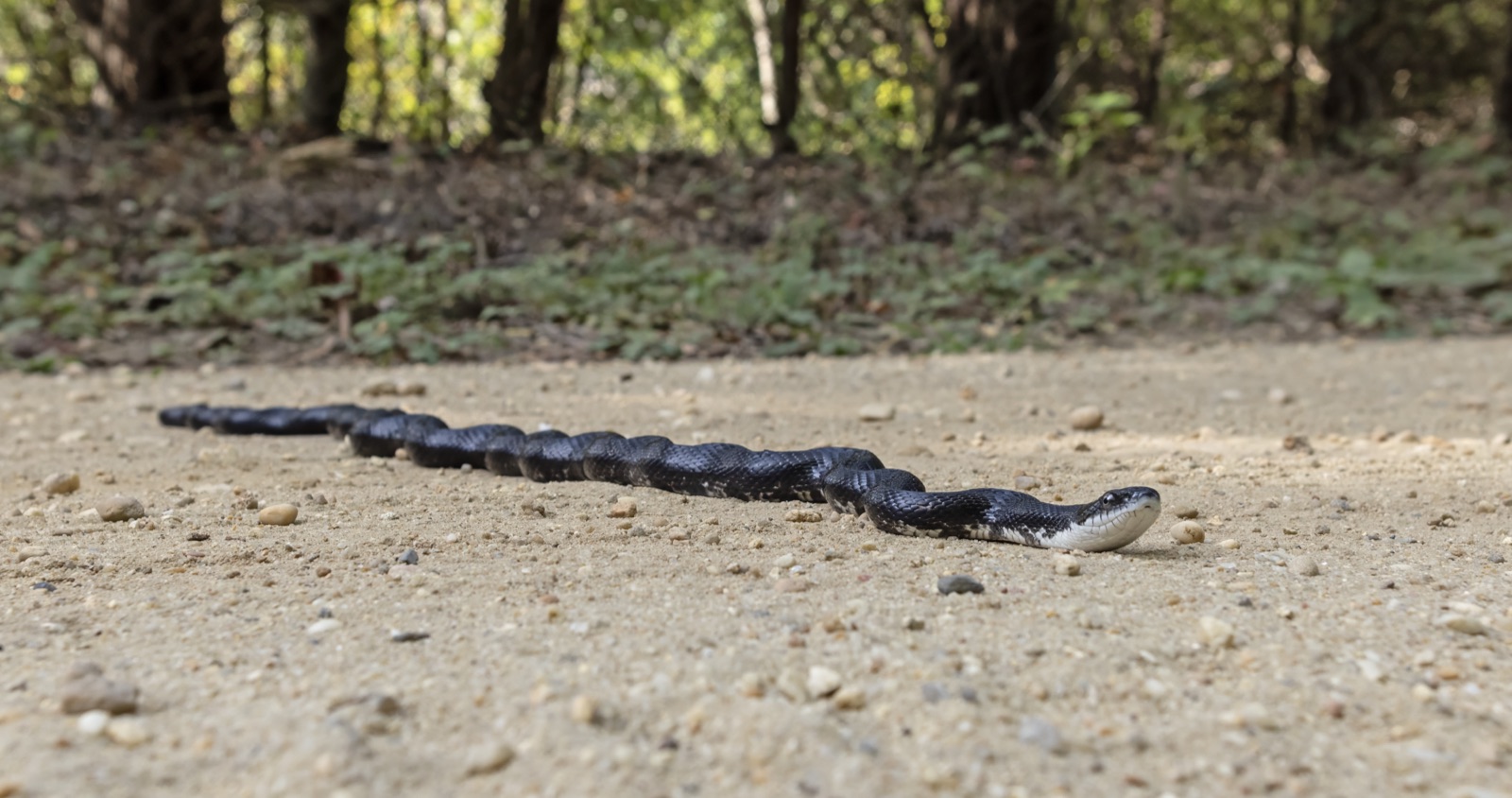
How long can a snake go without eating is a question that surprises most people, because the answer is so far outside what we expect from a mammal. Many snakes go weeks to a few months between meals as a matter of routine, and under the right conditions some can fast for six months to a year or more without starving. This is not a sign of distress — it is a normal feature of how snakes are built, and understanding it changes how you interpret a snake that has settled in near your home.
The reason comes down to metabolism. Snakes are ectothermic, meaning they do not burn energy to keep a constant body temperature the way we do. A resting snake spends a tiny fraction of the energy a similar-sized mammal would, and during a long fast a snake can lower its metabolic rate even further — studies of fasting snakes have measured reductions well beyond what most animals can manage. They also digest large, infrequent meals very efficiently and store energy as fat, so a single substantial meal can carry a snake for a remarkably long time.
Several factors decide where a given snake falls in that wide range. Body size matters: a large snake has more fat reserves and a slower relative metabolism, so big constrictors can fast far longer than small snakes. Temperature matters enormously, because a cool snake burns less and needs less; this is why snakes eat little or nothing during brumation, the reptile version of winter dormancy. Age, health, and reproductive state play a role too — many snakes naturally stop feeding around the breeding season or while preparing to shed, and a snake refusing food for those reasons is behaving completely normally.
For homeowners, this has a practical and slightly counterintuitive consequence. A snake living under your shed or woodpile is not necessarily hunting in your yard every day; it may take a meal and then go quiet for weeks. So the absence of obvious feeding activity does not mean a snake has left, and seeing a snake once does not mean it is constantly on the prowl. What draws snakes and keeps them around is a reliable food supply — usually rodents — plus shelter, not a need to eat daily.
It also means you cannot starve a snake out of an area on any useful timescale. Waiting for a settled snake to get hungry enough to leave will not work, because it can simply wait you out. The effective approach is the same one that prevents snakes in the first place: remove what actually anchors them. Cut off the rodent food source, clear dense ground cover and clutter, seal gaps that offer shelter, and the area stops being worth staying in regardless of when the snake last ate.
If a snake has taken up residence and you want to know how concerned to be, identification matters more than feeding habits. A harmless rat snake that quietly eats the mice in your barn is doing you a favor, while a venomous species near a doorway is a different calculation. SerpentID lets you photograph the snake from a safe distance and confirm the species, so you can decide whether to leave a beneficial rodent-hunter alone or to call a professional — without ever needing to guess from whether or when it has eaten.