


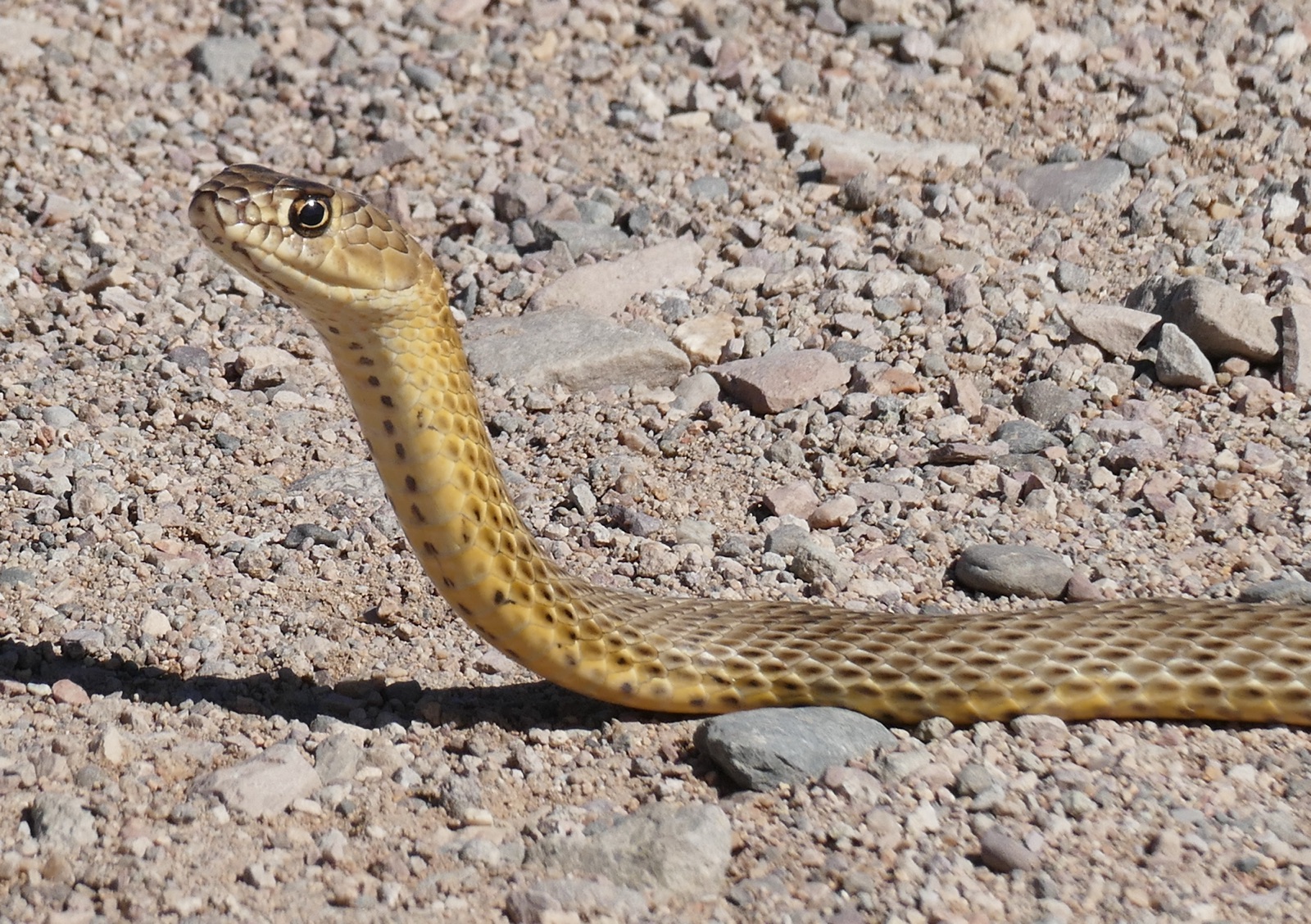
The image of a snake often conjures thoughts of incredible speed, particularly when it comes to striking or disappearing into dense cover. While it is true that many snakes possess astonishing quickness for short bursts, their everyday travel speed is a different story entirely. Most snakes, whether they are navigating a backyard in the United States, a field in Australia, or a forest in India, move at a pace that is surprisingly slow and deliberate. This measured approach allows them to conserve energy, remain inconspicuous to predators and prey, and carefully assess their surroundings.
For the vast majority of snake species, their average cruising speed rarely exceeds 1 to 2 miles per hour (approximately 1.6 to 3.2 kilometers per hour). This is slower than a brisk human walk. Even seemingly quick species like the Black Racer, known for their agility, typically move at sustained speeds closer to 3-4 miles per hour (around 4.8 to 6.4 kilometers per hour) for travel, reserving their top speeds for escape. Snakes are ectotherms, meaning their body temperature and, consequently, their metabolic rate and muscle efficiency, are largely dependent on external warmth. Moving slowly helps them manage their energy expenditure and maintain optimal body temperature.
Several factors influence a snake's speed beyond just its species. The surrounding temperature plays a crucial role; a snake in cooler conditions will be far more sluggish than one basking in ideal warmth. The type of terrain also makes a significant difference. A smooth, open surface allows for faster, more efficient movement using serpentine (s-shaped) locomotion, while rough or cluttered ground might necessitate slower, more laborious methods like concertina movement, where the snake bunches and extends its body. Larger, heavier snakes, such as pythons or anacondas, are generally slower movers than slender, agile species.
Snakes employ various methods of locomotion, each suited to different environments and speeds. Serpentine movement, or lateral undulation, is the most common, involving waves of muscle contraction that push against irregularities in the ground. Rectilinear movement, often used by heavy-bodied snakes like vipers, involves ripples of scales that grip the ground while the body moves in a straight line, a very slow but powerful method. Sidewinding, famously used by desert vipers, allows them to move across loose sand with minimal contact, a specialized form of rapid travel in specific conditions. Concertina movement, where the snake anchors part of its body and extends the rest, is often used for climbing or navigating tight spaces, a slower but effective technique.
It is important to distinguish between a snake's sustained travel speed and its burst or strike speed. A strike is an incredibly rapid, short-distance lunge, often too fast for the human eye to track, designed to capture prey or deter a threat. Similarly, when a snake feels acutely threatened, it can achieve much higher speeds for a brief dash to safety. However, these are not speeds they can maintain over long distances. The common myth of snakes 'chasing' people at high speed is largely unfounded; what is perceived as a chase is almost always a snake trying to escape in a direction that happens to align with the observer, or simply moving towards its preferred cover.
Understanding these nuances of snake speed has practical implications for safety. While a snake's strike is indeed swift, its overall movement when simply passing through an area or attempting to flee is typically not overwhelmingly fast. This gives observers time to react calmly and move away. Most snakes prefer to avoid confrontation, and their first instinct is almost always to retreat. The speed at which they do so is generally sufficient for them to get away from a perceived threat, rather than to pursue one.
When you encounter a snake, remember that its primary goal is usually to escape. Give it space and observe it from a distance. If you need to identify a snake you've encountered, a clear photograph taken from a safe distance is the best approach. The SerpentID app can then help you compare its markings against local species. If you suspect the snake is venomous, or if it poses an immediate threat in a sensitive area, contact your local wildlife services or a professional snake catcher for safe and humane removal, rather than attempting to approach, handle, or harm the animal yourself.