


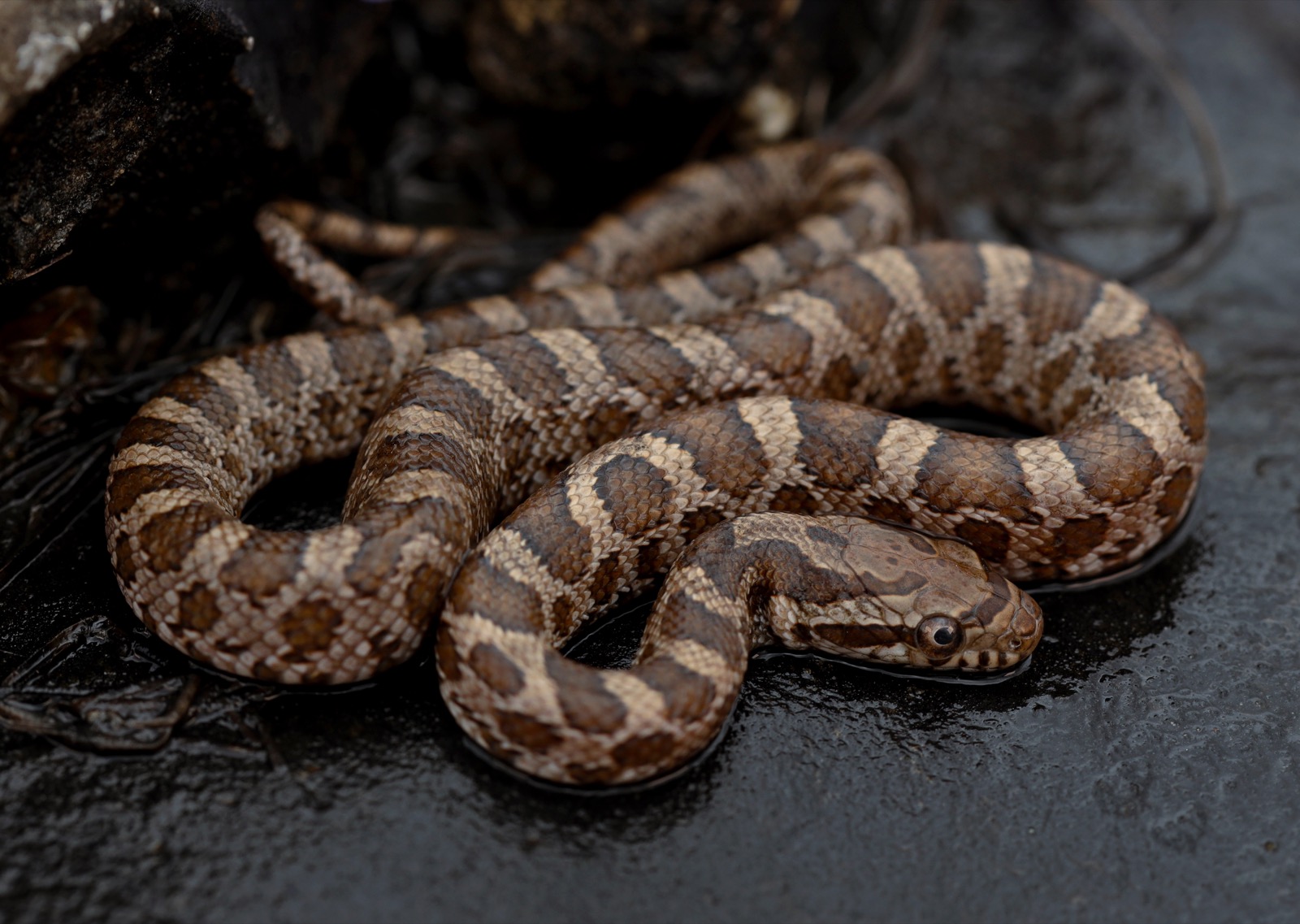
Snakes are often described as 'cold-blooded,' but this term can be misleading. A more accurate scientific term is 'ectothermic,' which means they depend on external sources of heat to regulate their body temperature. Unlike mammals and birds (endotherms) that generate their own internal heat, snakes must actively manage their temperature by moving between different microclimates in their environment. This doesn't mean a snake is always cold; in fact, a snake basking in the sun can have a body temperature higher than a human's.
One of the most common ways snakes warm up is through basking. They will deliberately position themselves in direct sunlight, on warm rocks, pavement, or other heat-absorbing surfaces. This solar radiation and conductive heat transfer allows them to rapidly raise their core body temperature to optimal levels. Achieving the right temperature is vital for a snake's metabolism; it enables efficient digestion of meals, allows muscles to function effectively for movement and hunting, and supports their immune system.
Equally important to warming up is the ability to cool down and avoid overheating. Just as extreme cold can be dangerous, excessive heat can be lethal for a snake. When ambient temperatures rise, snakes will seek refuge in cooler environments. This might involve retreating into burrows, finding dense shade under vegetation, hiding beneath rocks or logs, or even entering water. Behavioral choices like these are critical for preventing heat stroke and maintaining a stable internal temperature within their preferred range.
Thermoregulation is a dynamic and active process for snakes, not a passive one. They are constantly making choices about where to be and how to position their bodies. A snake might flatten its body to expose more surface area to the sun when trying to warm up quickly, or coil tightly to minimize heat loss in cooler conditions. They might move back and forth between sunny and shaded patches throughout the day, fine-tuning their temperature to suit their immediate physiological needs, whether it's digesting a large meal or preparing for nocturnal hunting.
The need for thermoregulation also dictates many of a snake's seasonal and daily activity patterns. In cooler climates, snakes will bask more frequently and for longer durations during the day, especially in spring and autumn. During the hottest parts of summer, many species become crepuscular (active at dawn and dusk) or nocturnal to avoid the scorching midday sun. In winter, they seek deep, insulated burrows or dens to undergo brumation, a state of inactivity similar to hibernation, where their metabolism slows drastically to conserve energy through the coldest months.
The ability to effectively thermoregulate profoundly impacts a snake's overall health and survival. A snake that cannot reach its optimal temperature range may struggle to digest food, leaving it vulnerable to predation or illness. Reproductive success is also closely tied to temperature, with incubation temperatures often determining the sex or viability of offspring in some species. Without precise control over their body temperature, snakes would simply not be able to perform the complex behaviors necessary for life.
Understanding how snakes regulate their body temperature provides valuable insight into their behavior and where they might be found. Knowing that they seek sun to warm up or shade to cool down can help you predict where you might encounter one in your yard or during a hike. If you do see a snake, remember to give it space. Observe it from a safe distance, take a photograph if possible, and use the SerpentID app to identify it. If it appears to be a venomous species, contact your local wildlife services for guidance, but never attempt to approach or handle it yourself.