


Snakes, despite their predatory nature, are also prey animals in a complex food web. They have evolved a fascinating array of defensive strategies to survive in diverse environments, from dense forests to arid deserts. These methods are crucial for avoiding predators, deterring perceived threats, and ensuring their continued existence in ecosystems across the globe. From the moment they hatch or are born, snakes are equipped with instincts and physical adaptations to protect themselves from a world full of dangers, constantly assessing their surroundings for potential threats.
One of the most effective and widespread defensive tactics is camouflage. Many snake species possess intricate patterns and coloration that allow them to blend seamlessly into their natural habitats. Whether it's the mottled browns and greens of a viper disappearing into leaf litter, the sandy hues of a sidewinder vanishing on desert dunes, or the arboreal greens of a tree snake among foliage, their skin patterns are perfectly adapted to make them virtually invisible. This strategy allows them to avoid detection by a wide range of predators, including birds of prey, predatory mammals, and even other snakes, making them incredibly difficult to spot.
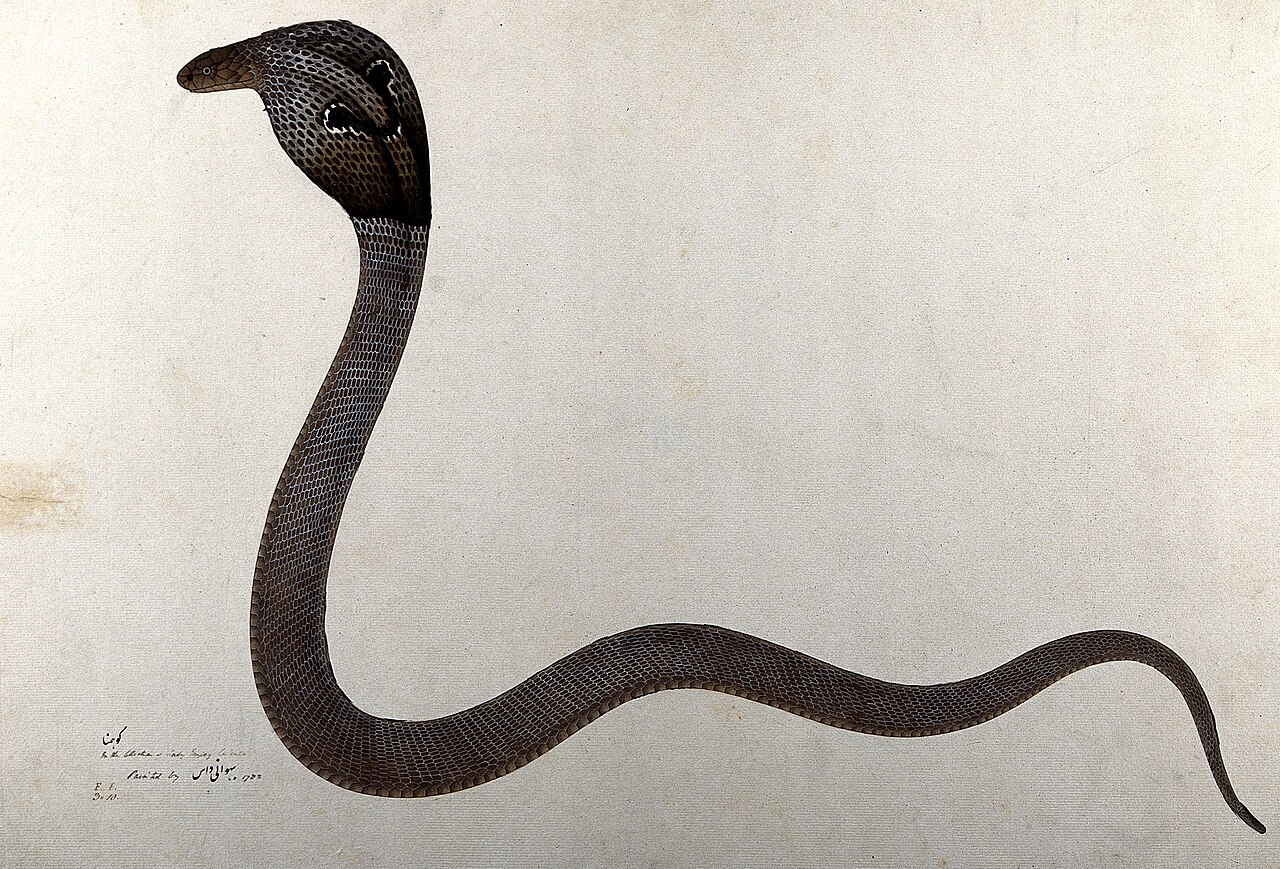
When camouflage fails or a snake feels directly threatened, many species resort to overt warning displays. These are designed to startle or intimidate a potential aggressor, signaling that the snake is capable of defending itself and should be left alone. Examples include the iconic rattling tail of a rattlesnake, the dramatic hood-spreading of a cobra, or the loud hissing of many species. Some snakes, like hognose snakes, will flatten their heads and necks to appear larger and more formidable, often accompanied by striking at the threat with a closed mouth, a clear message to back off.
Another remarkable defensive strategy is mimicry, where a harmless or less dangerous snake species evolves to resemble a more venomous or aggressive one. This phenomenon capitalizes on a predator's learned aversion to dangerous prey, as animals that have encountered dangerous species in the past will avoid similar-looking ones. A classic example is the mimicry of venomous coral snakes by non-venomous milk snakes and kingsnakes, which share similar banding patterns. By looking like a dangerous counterpart, these harmless snakes gain a measure of protection without needing to possess venom themselves, effectively bluffing their way out of danger.
Perhaps one of the most surprising defensive behaviors is thanatosis, or playing dead. When faced with an overwhelming threat, some snakes, particularly species like the hognose snake, will flip onto their backs, open their mouths, and even emit foul-smelling musk to simulate death. Predators that prefer live prey or are deterred by the smell may lose interest and move on, as scavenging on a potentially rotten carcass carries its own risks. This elaborate performance can be highly convincing, and if the snake is righted, it will often flip back over to continue the act, dedicated to its charade.
While often seen as an offensive tool for hunting, biting, and venom delivery are also primary defensive mechanisms. When all other warnings, evasive maneuvers, and bluffs fail, a snake's bite serves as a last resort to protect itself from immediate harm. Venomous snakes inject toxins that can incapacitate or kill a predator, while non-venomous snakes deliver painful, though not dangerous, bites. This is why snakes rarely bite unless they feel cornered, stepped on, or directly handled, as using venom is energetically costly, and a bite risks injury to the snake itself, making it a measure of last resort.
Understanding the diverse ways snakes protect themselves helps us appreciate their role in nature and encourages safe interactions. If you encounter a snake, remember that its primary goal is often to avoid conflict and protect itself, not to attack. The best defense for you is to give it space. Observe from a safe distance, take a clear photograph if possible without approaching, and use the SerpentID app to identify the species. If you suspect it's venomous, contact local wildlife services for assistance, and always seek professional medical help immediately if a bite occurs. Never attempt to handle, approach, or kill a snake.