


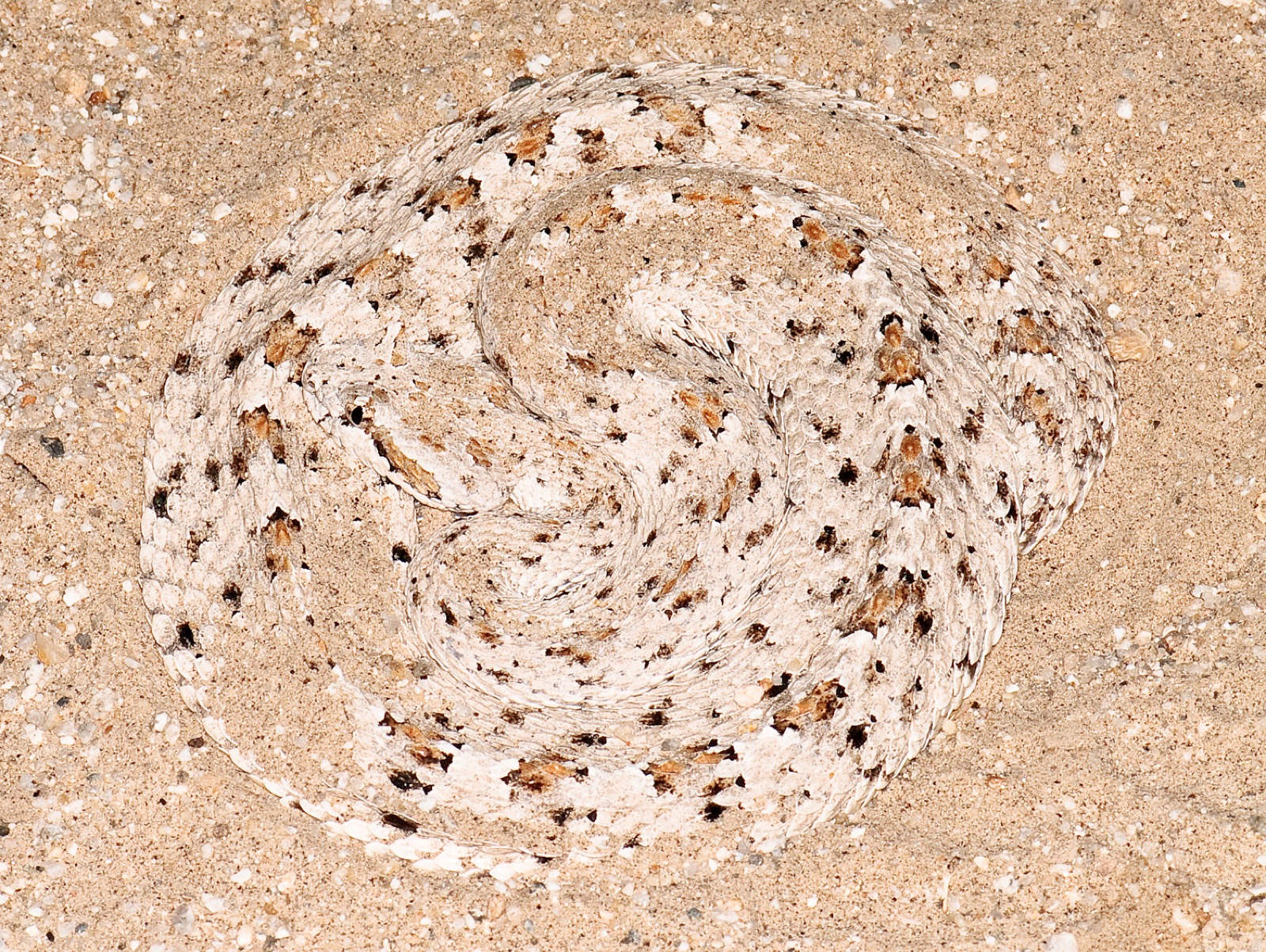
Many people marvel at how snakes, lacking any legs or obvious appendages, manage to move with such agility and grace across diverse landscapes. This ability isn't due to a single trick, but rather a suite of sophisticated biomechanical adaptations that allow them to traverse everything from smooth rock to loose sand, climb trees, and even move through narrow burrows. Far from being simple slithering, snake locomotion is a complex and fascinating study in natural engineering, showcasing the incredible versatility that evolution can achieve.
The most commonly recognized form of snake movement is serpentine locomotion, also known as lateral undulation. In this method, the snake propels itself forward by forming a series of S-shaped curves with its body. Each curve pushes against irregularities in the ground, such as rocks, grass stems, or even the subtle texture of a smooth surface, generating thrust. This is the fastest and most energy-efficient way for many snakes to move over varied terrains, allowing them to quickly escape predators or pursue prey.
For larger, heavier-bodied snakes, or when navigating very smooth surfaces where serpentine motion is less effective, rectilinear locomotion comes into play. Often described as "caterpillar movement," this method involves the snake moving in a straight line. It does this by alternately lifting sections of its belly scales and pulling them forward, then setting them down and pushing the body forward with muscles attached to its ribs and skin. This slow, deliberate movement is particularly useful for stealthy hunting or for larger species like pythons and boas moving across open ground.
When confronted with tight spaces, such as climbing a narrow tree trunk, moving through a tunnel, or navigating crevices, snakes employ concertina locomotion. Imagine an accordion expanding and contracting: the snake anchors a section of its body against a surface, then extends the front part of its body forward, anchors it, and pulls the rear section up. This allows them to effectively "inch" their way through confined areas or climb vertical surfaces where other gaits would be impossible.
Perhaps the most visually striking form of movement is sidewinding, primarily used by snakes in environments with loose or shifting substrates, like sand dunes or muddy flats. Sidewinders move by lifting portions of their body off the ground and throwing them forward at an angle, leaving distinct J-shaped tracks. This unique diagonal motion minimizes contact with the hot or unstable ground, allowing for efficient and rapid travel without sinking or losing traction.
The remarkable array of locomotion types highlights the incredible adaptability of snakes. Each method is a finely tuned response to specific environmental challenges, allowing different species to exploit various niches. A snake's ability to switch between these gaits, sometimes even within a single movement sequence, demonstrates a sophisticated control over its muscular system, enabling it to hunt, escape, and explore its world effectively.
Understanding these different ways snakes move can be incredibly useful when you encounter one in the wild. Observing its locomotion can offer clues about its species, habitat, and even its current intent. However, regardless of how a snake is moving, always maintain a respectful and safe distance. If you encounter a snake and need help identifying it, remember to take a clear photo from a safe distance and use the SerpentID app. If you suspect it's venomous, contact your local wildlife services immediately.