


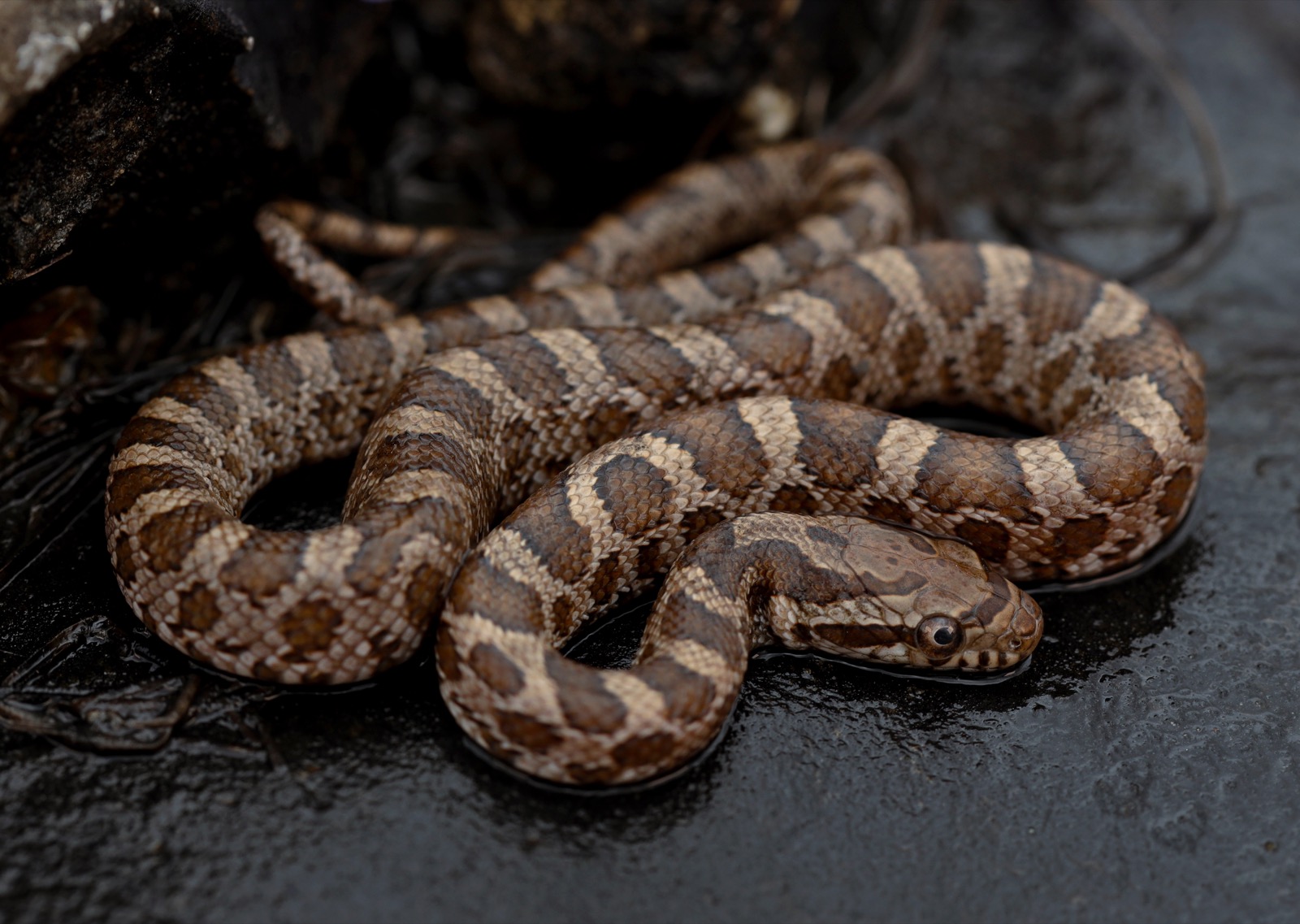
The unsettling discovery of a snake inside your home is a common concern, and for good reason. While snakes are not actively trying to invade human spaces, they are opportunistic creatures constantly seeking shelter, warmth, or a food source. A house, with its controlled climate and potential for rodents, can appear as an ideal refuge. The truth is, snakes can squeeze through surprisingly small openings, often going unnoticed until they've already made their way indoors.
Many snake entries occur at ground level, through vulnerabilities that homeowners might overlook. Gaps beneath exterior doors, particularly garage doors that don't seal tightly to the ground, are prime candidates. Even a small crack in a foundation, a loose basement window, or an unsealed opening where utility pipes or electrical wires enter the house can serve as an invitation. Young snakes, in particular, require only a tiny crevice to gain access, making thorough sealing crucial.
While less common, snakes can also find their way into homes through higher access points. Some species are adept climbers and might scale textured walls or nearby vegetation to reach open windows, especially those on lower floors. Unsecured window screens, gaps around air conditioning units installed in windows, or even uncapped chimneys can provide an unexpected route for a determined snake seeking refuge or warmth.
The primary motivators for a snake entering a dwelling are almost always shelter and food. A home offers protection from predators, harsh weather conditions, and a stable environment. Critically, the presence of rodents like mice and rats, which are common household pests, acts as a powerful attractant. If snakes detect a consistent food source, they will often follow their prey into the structure, turning your home into an unexpected hunting ground.
It's important to dispel the myth that snakes are deliberately targeting humans or their homes out of aggression. Their presence indoors is almost always a result of their natural instincts for survival. They are not "attacking" your space; rather, they are simply utilizing an available resource for shelter or sustenance. These encounters, while startling, are typically accidental from the snake's perspective, and the animal is likely just as surprised by your presence as you are by theirs.
Preventing snakes from entering your home involves a multi-pronged approach focused on exclusion and deterrence. Regularly inspect your foundation for cracks and seal them with caulk or mortar. Ensure all exterior doors have tight-fitting sweeps. Cover vents and open pipes with snake-proof mesh (smaller than ¼ inch). Trim back vegetation from your home's perimeter, and most importantly, manage rodent populations to eliminate a primary food source that draws snakes close to your property.
If you do encounter a snake inside your home, the most important rule is to remain calm and maintain a safe distance. Do not attempt to capture, handle, or harm the snake. Instead, take a clear photograph from a safe distance, if possible, to aid in identification. Then, contact your local animal control, wildlife removal service, or a qualified snake handler. For quick and accurate identification of the species, which is crucial for determining the next steps, the SerpentID app can compare your photo against likely local species. If the snake is venomous or you cannot safely encourage it to leave, professional help is essential.