


Despite common fears and sensationalized stories, snakes rarely bite humans without provocation. A snake's primary goal is to avoid conflict, as biting is a high-energy, last-resort defensive action. Bites almost always occur because a snake feels directly threatened, cornered, or surprised, not because it is actively hunting or attacking a person. Understanding these defensive triggers is key to avoiding an unfortunate encounter and ensuring both human and snake safety.
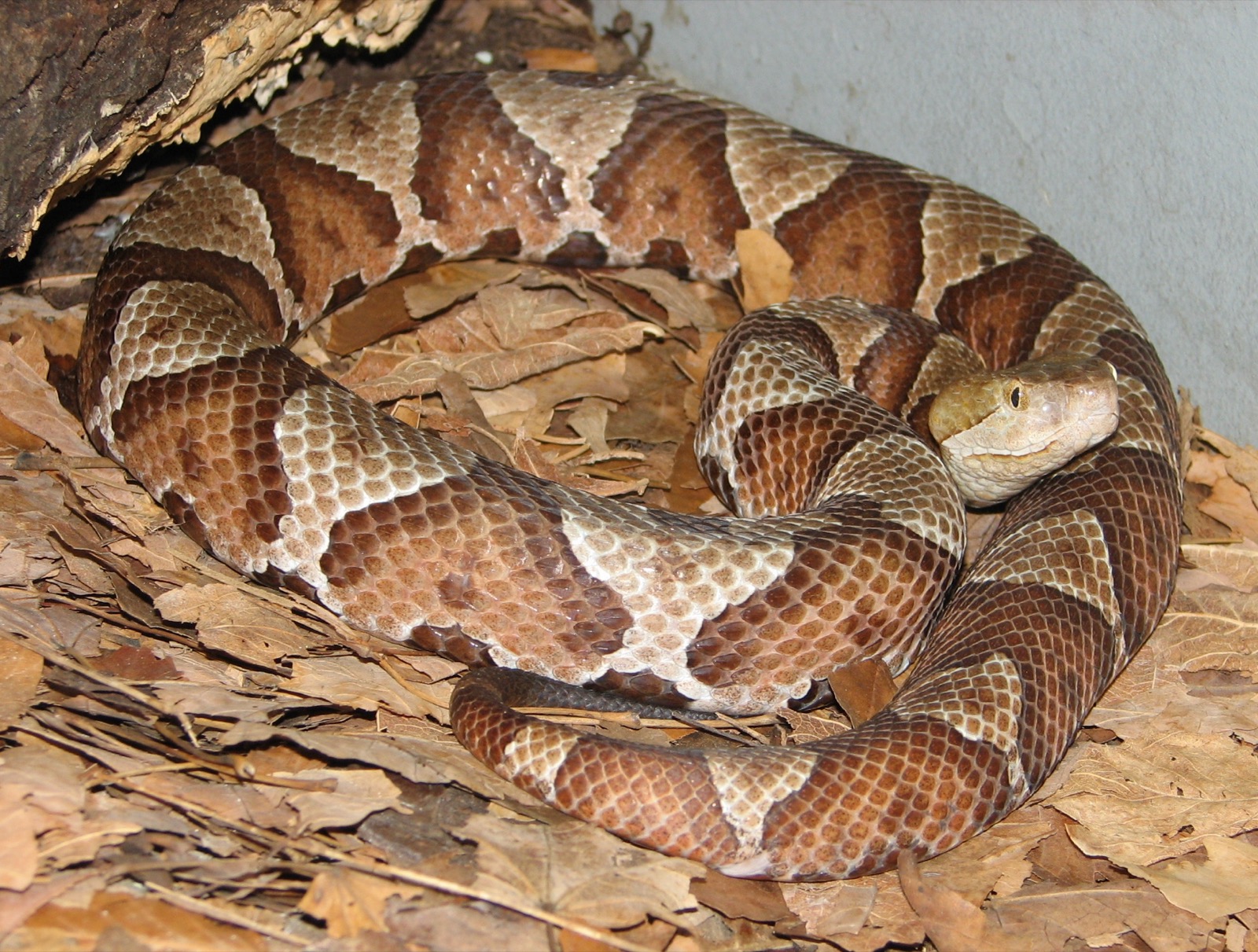
One of the most frequent ways snake bites happen is through accidental encounters, particularly when people unknowingly step on or near a camouflaged snake. Many species, especially venomous ones like copperheads or rattlesnakes, blend seamlessly into their surroundings of leaf litter, tall grass, or rocky terrain. A person walking through these areas may not see the snake until it is too late, causing the snake to feel immediately threatened and react defensively with a bite to protect itself from perceived harm. This scenario highlights the importance of vigilance in snake habitats.
Intentional provocation is another significant cause of bites. This includes attempting to handle, catch, or kill a snake. Even seemingly docile or non-venomous snakes can bite when they feel cornered or grabbed. The vast majority of bites, especially those involving venomous species, happen when individuals try to interact with a snake rather than observing it from a safe distance. It is a fundamental rule of snake safety: never attempt to touch or move a snake, regardless of its apparent species or temperament.
Reaching into blind spots is also a common precursor to a bite. Snakes frequently seek shelter in cool, dark, and secluded places such as woodpiles, rock crevices, under logs, dense shrubbery, or even abandoned burrows. When a person reaches into these areas without looking, they risk surprising a snake that has taken refuge there. The snake, startled and unable to escape quickly, may bite in self-defense. Always use caution and visual inspection before placing hands or feet into any hidden or obscured space outdoors.
Cornering a snake, whether intentionally or not, can also lead to a defensive strike. Snakes require an escape route. If they feel trapped in an enclosed space like a garage, shed, or even a tight spot in your home, and perceive a human as blocking their only exit, they may lash out. Giving a snake ample space and a clear path to retreat is crucial. If you encounter a snake in an enclosed area, back away slowly and allow it to move away on its own.
It is important to remember that even if a venomous snake bites, it doesn't always inject venom (a 'dry bite'). However, this outcome should never be assumed, as it's impossible to know without medical evaluation. Every bite from a snake should be treated with serious consideration, and professional medical attention should be sought immediately to assess the situation and provide appropriate care.
Understanding how snake bites happen is the first step in preventing them. Always maintain a safe distance from any snake you encounter, whether in your yard, on a trail, or in a natural setting. Never attempt to handle, harass, or kill a snake. If you spot a snake, take a clear photo from a safe distance, and use the SerpentID app to identify it. If you suspect it's venomous, or if you're unsure, contact your local wildlife services for assistance. Your safety, and the snake's, depends on respectful and informed interaction.