


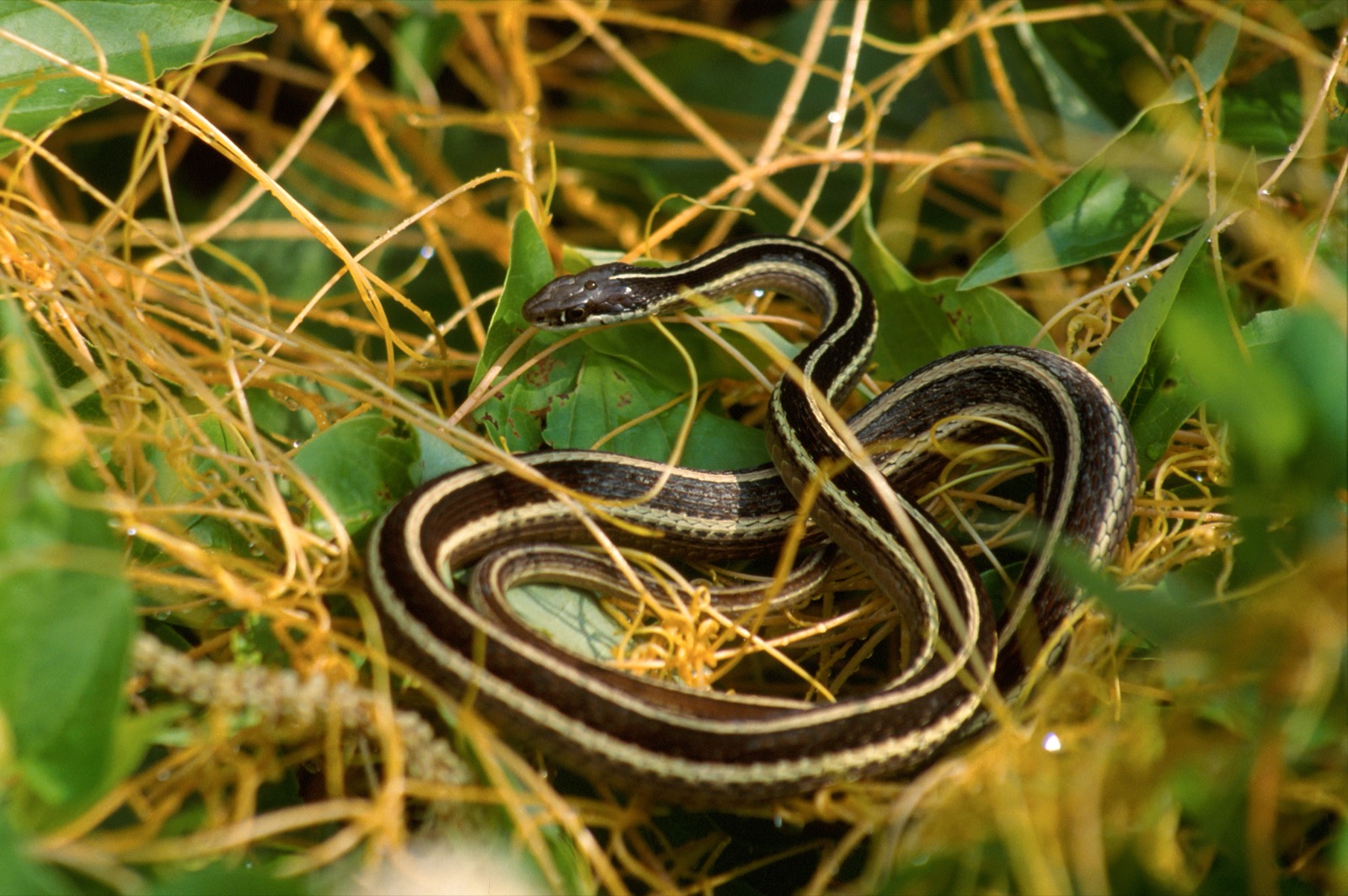
Do snakes travel in pairs is a common worry after a sighting, and the short answer is no — most snakes are solitary animals that hunt and move alone. They do not pair up to patrol a yard or guard each other the way some mammals or birds do. So seeing one snake does not mean a partner is automatically lurking a few feet away, and the dramatic idea of snakes 'traveling together' is mostly a myth.
The more useful question is 'if I see one snake, are there more nearby?' and here the answer is sometimes yes — not because snakes are social, but because good habitat attracts several individuals to the same place. A yard with reliable cover, moisture, and a steady rodent supply can support multiple snakes independently. They are not a team; they are simply responding to the same conditions, which is why one sighting can hint that the location is worth a closer, careful look.
There are a few real exceptions to the solitary rule. During breeding season males may follow a female's scent trail, so you can occasionally see two together. In cooler regions, snakes sometimes share a hibernaculum and emerge near each other in spring. And a clutch of eggs or a litter of live young can put many small snakes in one spot for a short time — though those juveniles disperse rather than staying as a family group.
If you find one snake, the calm response is to note where it went, keep people and pets clear of that zone, and avoid reaching blindly into nearby cover where another animal could be resting. Rather than tearing apart a woodpile or garden bed to hunt for 'the rest,' focus on the habitat: clearing brush, trimming grass, controlling rodents, and closing gaps reduces how many snakes the area can hold in the first place.
SerpentID helps you turn a single sighting into useful information — photograph the snake from a safe distance and compare its markers against likely species so you understand what you are dealing with. If the app suggests a venomous possibility, or if a cleanup means reaching into spaces you cannot fully see, slow down and contact local wildlife help. One snake is a signal about the habitat, not proof of a hidden pair.