


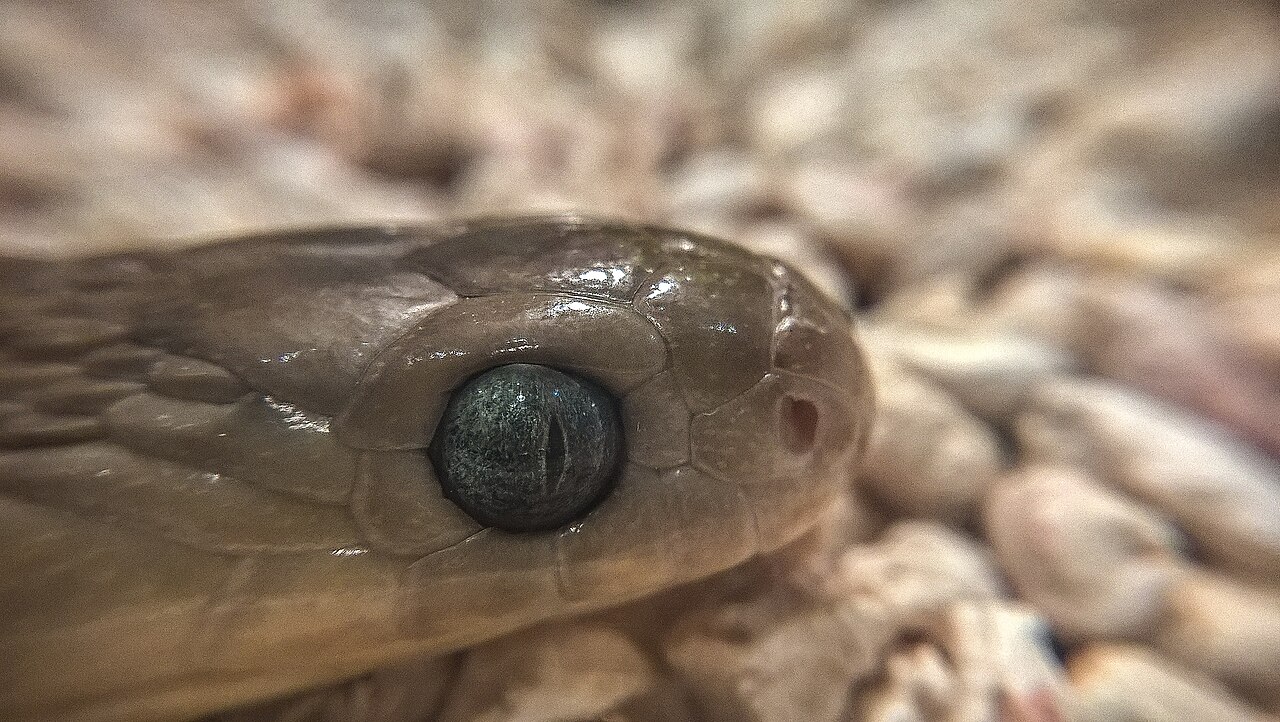
Many people wonder if snakes see the world in vibrant color or in shades of gray, a common misconception often perpetuated in popular media. The truth is more nuanced: snakes do perceive color, though their experience of it is quite different from our own. Like all animals, their vision is adapted to their specific ecological niche, influencing how they interpret the light spectrum around them.
To understand snake color vision, it helps to look at their evolutionary past. Ancestral snakes are believed to have been small, nocturnal burrowers, which would have favored rod-heavy retinas for low-light vision over cone-heavy retinas for color detection. Rods detect light and dark, while cones are responsible for color. Over millions of years, as snakes diversified and moved into various habitats, their visual systems adapted. Modern snakes retain this ancestral bias, but with significant modifications depending on their lifestyle.
Today's snake species exhibit a range of visual capabilities. Diurnal snakes, those active during the day, typically possess more cones in their retinas, allowing for a greater degree of color perception. Some research suggests that certain diurnal snakes can even see into the ultraviolet (UV) spectrum, a range invisible to humans. Nocturnal and crepuscular (dawn/dusk active) snakes, on the other hand, tend to have a higher concentration of rods, making them exceptionally good at detecting movement and shapes in dim light, but with less emphasis on distinguishing specific colors.
For snakes that do perceive color, this ability serves crucial purposes in their survival. Color vision can help them identify camouflaged prey or predators, distinguish between different plant types in their habitat, and even play a role in courtship displays where certain color patterns might signal health or reproductive readiness to potential mates. For instance, species that mimic venomous snakes often rely on visual cues, including color, to deter threats, suggesting that their predators can indeed distinguish these patterns.
The idea that snakes are completely colorblind is largely a myth. While it's true that they don't experience the world in the same rich, full-spectrum way that humans, who are trichromats (having three types of color-sensitive cones), do, many snakes are dichromats, meaning they possess two types of cones. This allows them to distinguish between different wavelengths of light, effectively seeing various colors, even if they might not perceive the same range or vibrancy as we do. Their perception is often more attuned to the blues and greens, and as mentioned, some can even detect UV light, giving them a unique perspective on their environment.
It is important to remember that color vision is just one component of a snake's overall sensory toolkit. Many snakes also rely heavily on other forms of visual information, such as detecting subtle movements, changes in light intensity, and the thermal signatures picked up by their pit organs (in pit vipers). Their vision is finely tuned to extract the most relevant information for their survival, whether that means identifying a frog hidden in the foliage or noticing the slight twitch of a mouse in the dark.
Understanding how snakes perceive their world helps us appreciate their unique adaptations and reduces misconceptions. When you encounter a snake, whether in your yard, on a trail, or in the wild, the safest approach is always to observe it from a respectful distance. If you need to identify a snake, especially if you are concerned about its potential venomous nature, take a clear photograph without approaching it. The SerpentID app can then analyze markings and help you compare it against likely local species, guiding you on whether to contact local wildlife services if it appears venomous.