


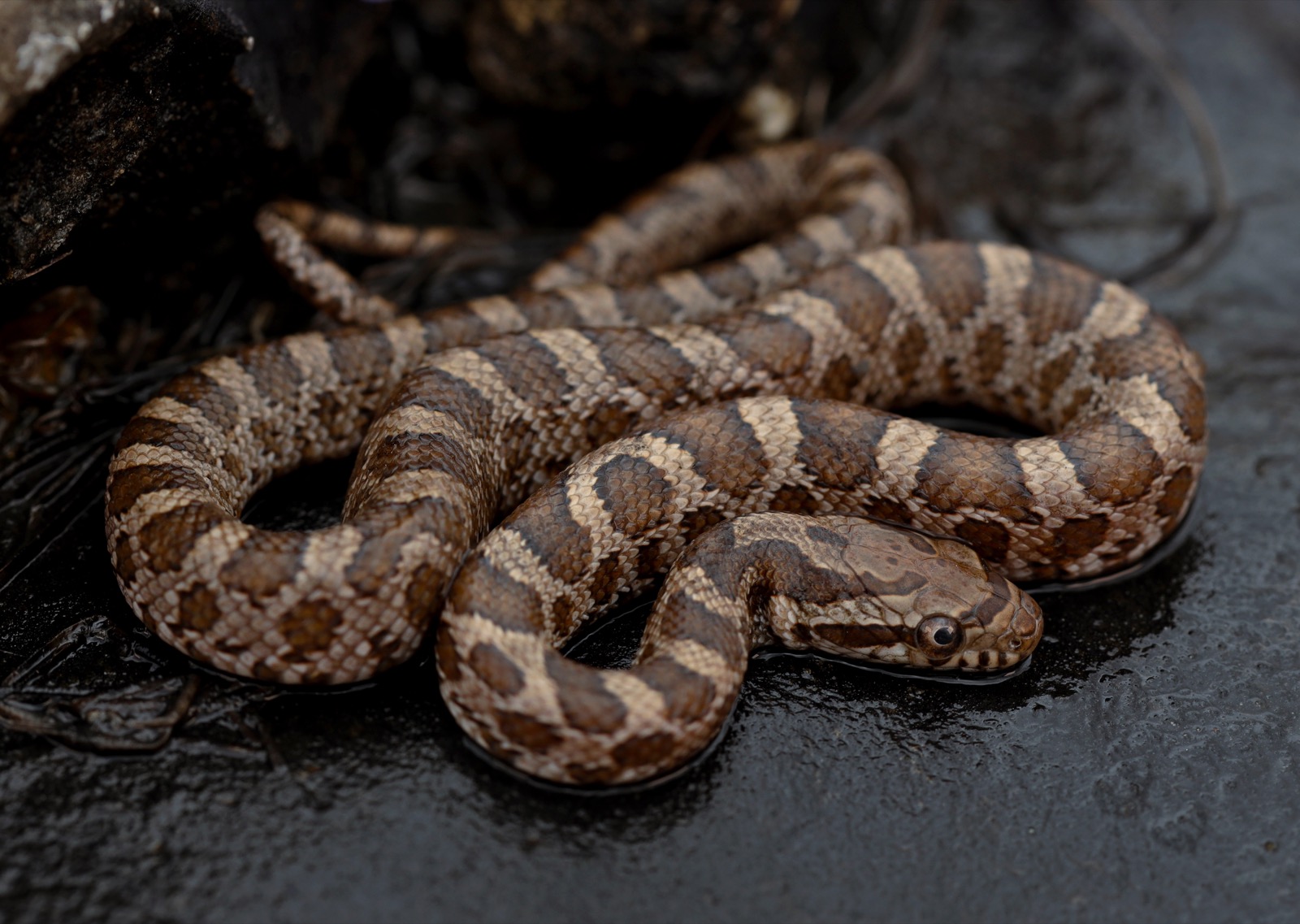
When we think of urination, we typically picture the clear, liquid waste produced by mammals. Snakes, however, have a unique and highly efficient method for eliminating nitrogenous waste from their bodies. While they do expel what can be considered their form of "pee," it looks and feels very different from what you might expect. This adaptation is a testament to their remarkable ability to thrive in diverse and often challenging environments, particularly those where water is scarce.
Instead of urea, the primary nitrogenous waste product in mammals, snakes convert their nitrogenous waste into uric acid. This process occurs in their kidneys, which are highly specialized for this purpose. Uric acid is far less toxic than ammonia, the initial byproduct of protein metabolism, and crucially, it requires very little water for its excretion. This biological marvel allows snakes to retain precious body fluids, making them incredibly well-suited for arid habitats where water conservation is paramount.
The physical appearance of snake waste is often a surprise to those unfamiliar with it. Rather than a stream of liquid, snakes typically excrete uric acid as a white, chalky, or pasty substance. This white material is often expelled alongside their solid fecal matter, creating a combined dropping that can be quite distinctive. Both forms of waste exit the snake's body through a single opening called the cloaca, which serves as a common chamber for the digestive, urinary, and reproductive tracts.
The frequency with which a snake eliminates waste, including its uric acid, can vary significantly. Factors such as the snake's diet, its hydration status, and the ambient temperature all play a role. Snakes that have recently consumed a large meal and are well-hydrated may excrete more frequently than those that have gone longer without food or water. Generally, however, snakes do not excrete waste as often as many mammals, another reflection of their slower metabolism and highly efficient waste processing system.
This method of waste elimination is not unique to snakes; it is a common strategy among many reptiles and birds. These animals, facing similar evolutionary pressures to conserve water, have developed parallel adaptations. The production of uric acid, a relatively insoluble compound, allows them to package and excrete nitrogenous waste with minimal water loss, a stark contrast to the large volumes of water mammals must use to flush out urea.
Understanding how snakes eliminate waste can help clear up common misconceptions. If you observe a white, pasty substance in your yard or on a trail, it's likely the uric acid component of a snake's dropping, not a strange fungus or another unknown material. This efficient biological process is a normal and healthy part of a snake's life cycle, demonstrating their incredible physiological adaptations for survival.
If you encounter a snake and observe its waste, remember to maintain a safe distance. Observing snakes in their natural habitat is fascinating, but always prioritize your safety. If you're curious about the species you've seen, take a clear photo from a respectful distance. The SerpentID app can then help you identify the snake by comparing its markings against local species, allowing you to learn more while staying safe. If you suspect a snake is venomous, contact your local wildlife services for assistance, and never attempt to handle it yourself.